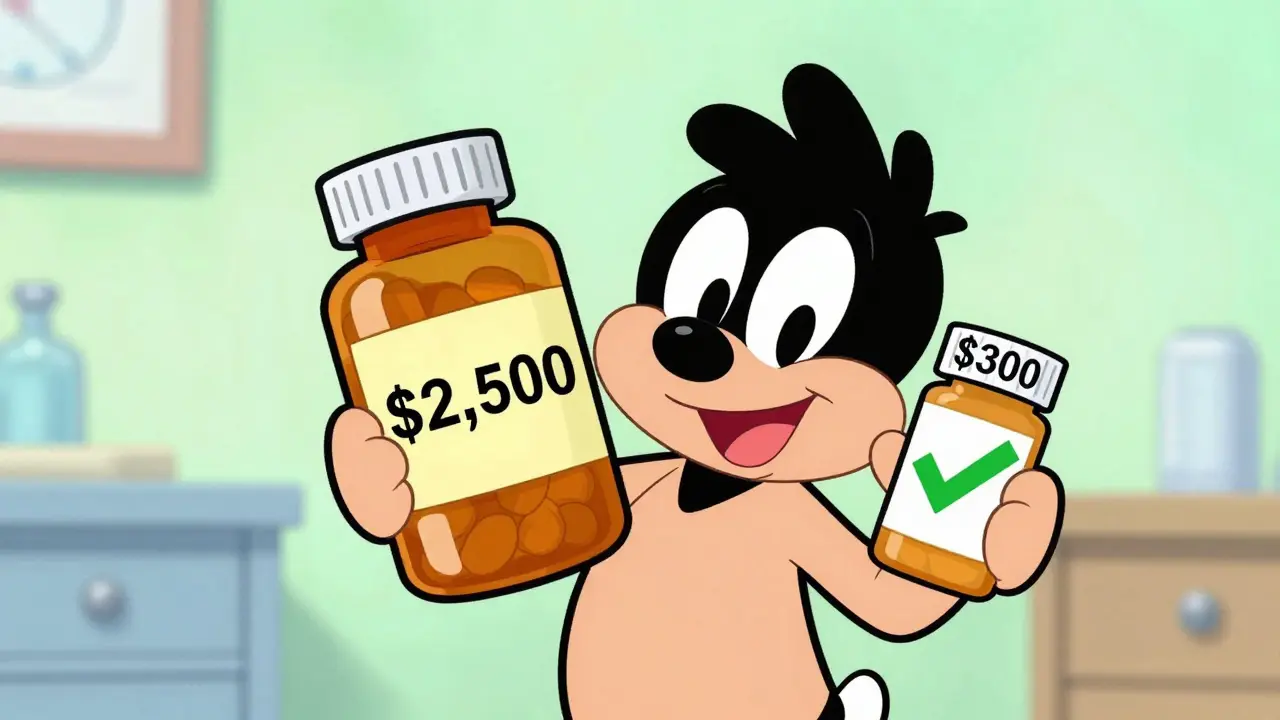
Imagine paying $2,500 a month for the medications that keep your transplanted organ alive. Now imagine cutting that bill by 80% without risking your health. For thousands of transplant recipients, this isn't just a dream-it's the reality of switching to generic immunosuppressants. With approximately 40,000 solid organ transplants performed annually in the United States, the financial burden on patients is staggering. Brand-name drugs like Prograf (tacrolimus) and CellCept (mycophenolate mofetil) can cost upwards of $1,500 to $2,500 monthly. Generic alternatives, approved by the FDA since 2015 for tacrolimus and later for other key drugs, offer a lifeline.
But here’s the catch: these are not ordinary generics. Immunosuppressants have narrow therapeutic indices, meaning the difference between a helpful dose and a harmful one is tiny. Switching from brand to generic requires precision, patience, and close monitoring. This guide breaks down what you need to know about generic combinations, the risks involved, and how to make the switch safely.
Understanding the Standard Transplant Regimen
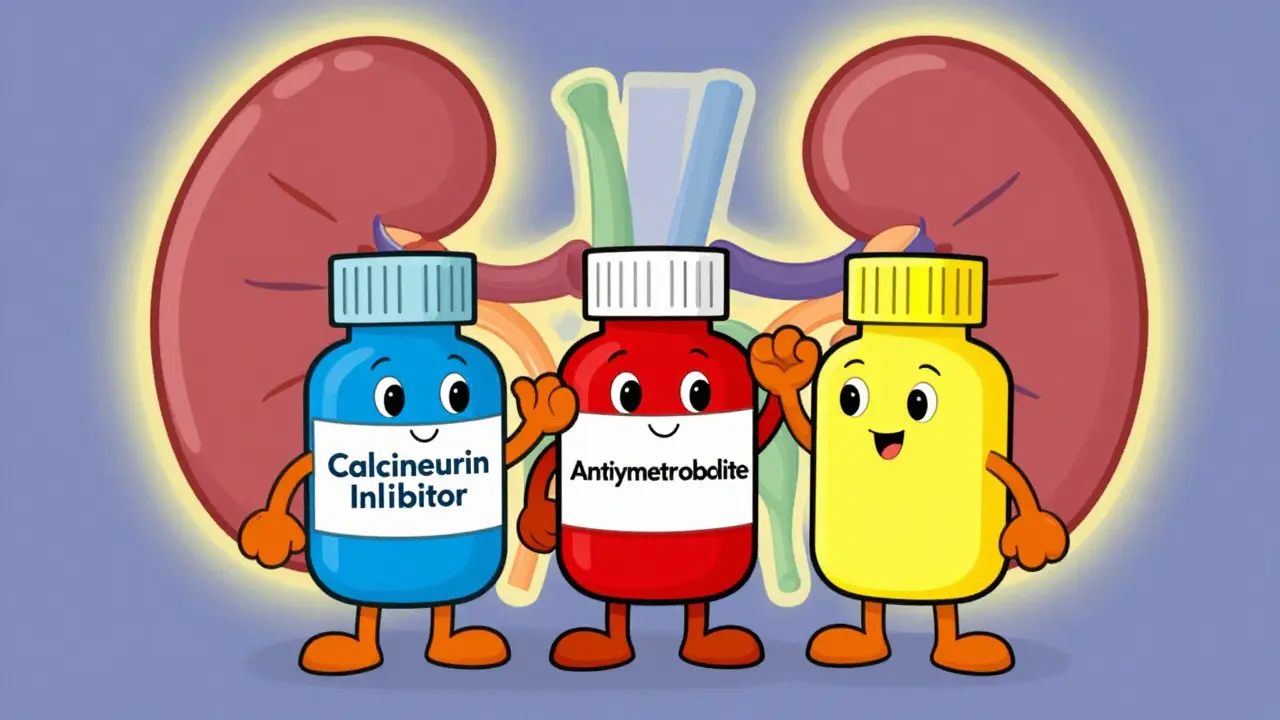
To understand generics, you first need to understand the standard care plan. Most transplant patients follow a "triple-therapy" regimen. This means taking three different types of medications to prevent rejection:
- Calcineurin Inhibitors (CNIs): These are the backbone of rejection prevention. The most common is tacrolimus, though cyclosporine is also used.
- Antimetabolites: These slow down immune cell growth. Mycophenolate mofetil (MMF) or mycophenolic acid (MPA) are the standards.
- Corticosteroids: Often prednisone, used to reduce inflammation, though many centers now try to taper these off over time.
Historically, patients were prescribed brand-name versions of all three. Today, generic options exist for almost every component. Generic tacrolimus has been available since 2015, generic MMF since 2019, and generic sirolimus since 2020. According to IQVIA data, generic versions now make up 78% of new prescriptions for kidney transplants. The shift is driven by cost, but it requires a deep understanding of how these drugs work together.
The Cost Savings: Why Generics Matter
Let’s talk numbers, because they are compelling. A 2023 study in Transplant International highlighted the stark contrast in pricing:
| Medication Type | Brand Name Example | Generic Option | Estimated Monthly Cost (Brand) | Estimated Monthly Cost (Generic) | Savings |
|---|---|---|---|---|---|
| Tacrolimus | Prograf | Tacrolimus USP | $1,800 - $2,200 | $300 - $400 | 78-82% |
| Mycophenolate Mofetil | CellCept | MMF Generic | $1,200 - $1,500 | $150 - $250 | 80-88% |
| Sirolimus | Rapamune | Sirolimus Generic | $1,000 - $1,400 | $200 - $300 | 75-80% |
For a patient on a full triple-therapy regimen, switching to generics can save $1,500 to $2,500 per month. Over a year, that’s nearly $20,000. Given that transplant recipients require lifelong therapy, these savings are not just nice-to-have; they are essential for adherence. Financial stress is a major cause of missed doses, which leads to rejection. By lowering the barrier to entry, generics help keep organs safe.
Efficacy and Safety: Does Generic Work as Well?
This is the question that keeps patients and doctors awake at night. Can a cheaper pill really do the same job as the expensive brand? The short answer is yes, but with caveats.
A 2022 analysis in the American Journal of Transplantation compared graft survival rates. They found 94.7% one-year kidney graft survival with generic tacrolimus versus 95.1% with brand-name. The difference was statistically insignificant (p=0.21). In plain English: the outcomes are virtually identical when managed correctly.
However, "managed correctly" is the key phrase. Immunosuppressants are Narrow Therapeutic Index (NTI) drugs. The FDA allows generics to be bioequivalent if their absorption falls within 80-125% of the brand. For most drugs, this range is fine. For tacrolimus, where a level of 5 ng/mL might be protective and 15 ng/mL might cause toxicity, that 25% variance can feel risky.
In practice, about 12% of patients require dose adjustments within the first three months of switching due to slight differences in bioavailability. Another 18% of transplant centers reported increased rejection episodes during conversion, according to a 2021 survey. This doesn’t mean generics fail; it means the transition period needs extra attention. You cannot simply swap the bottle and walk away. You must monitor blood levels closely.
Navigating the Switch: A Step-by-Step Guide
If you are considering switching to generic immunosuppressants, do not do it alone. Here is how a successful transition typically looks, based on American Society of Transplantation (AST) guidelines:
- Consult Your Transplant Team: Never switch without approval. Your team needs to know your baseline levels on the brand name.
- Establish a Baseline: Get a trough level test (blood draw taken right before your next dose) while still on the brand. This gives you a reference point.
- Choose One Manufacturer: This is critical. Different generic manufacturers may use different inactive ingredients that affect absorption. Once you start a specific generic brand (e.g., Teva or Sandoz), stick with it. Do not let the pharmacy substitute another generic manufacturer unless directed by your doctor.
- Frequent Monitoring: Expect biweekly blood tests for the first two months. Then monthly for the next four months. You are looking for stability, not just a number in the target range.
- Dose Adjustment: If your levels drop below target, your doctor will likely increase the dose slightly. If they spike, they will lower it. This is normal.
- Watch for Symptoms: Report any signs of infection, swelling, or changes in urine output immediately. These could signal rejection or toxicity.
The learning curve for centers is real. A 2022 study noted that 78% of transplant centers needed 3-6 months to fully implement generic protocols. As a patient, you are part of this process. Your vigilance ensures success.
Potential Risks and Side Effects
While generics are safe for the vast majority, some patients experience issues. Understanding these helps you prepare.
Bioavailability Variability: Some patients find that their blood levels fluctuate more on generics than on brands. This isn't necessarily dangerous, but it requires more frequent testing. One pharmacist noted in the Journal of Pharmacy Practice that clinics see 30% more visits in the first six months after conversion due to level fluctuations.
Rejection Episodes: In rare cases, inconsistent absorption can lead to sub-therapeutic levels, increasing rejection risk. Dr. Jean Emond of NewYork-Presbyterian warned that the 80-125% bioequivalence range "may be too broad" for some sensitive patients. If you have a history of prior rejection, discuss this risk openly with your doctor.
Drug Interactions: Immunosuppressants interact with many common drugs, including antibiotics and antifungals. A 2023 study showed that 67% of transplant patients experience at least one clinically significant drug interaction. Whether you take brand or generic, you must review all new medications with your pharmacist.
Patient Experiences: Real Stories
Data tells one story, but human experience tells another. On the National Kidney Foundation’s Patient Forum, 68% of respondents reported successful transitions with massive cost savings. One user, "KidneyWarrior2020," stated, "Generic MMF has worked perfectly for me for 3 years, no issues, saved over $18,000."
Conversely, 22% experienced side effects or rejection requiring a return to brand names. On Reddit’s r/kidneytransplant, user "TransplantSurvivor89" shared a cautionary tale: "Switched to generic tacrolimus in 2022, saved $1,500/month but had 3 rejection episodes in first year requiring hospitalization."
What’s the difference? Likely monitoring intensity and individual physiology. Survivor89’s case highlights why strict adherence to single-source manufacturing and frequent testing is non-negotiable. If you are anxious about the switch, remember that 85% of centers now use generics as first-line therapy. You are not an experiment; you are part of the standard of care.
Future Trends: What’s Next?
The landscape of transplant care is evolving. Two major developments are worth watching:
Biosimilars: In May 2023, the FDA approved the first interchangeable biosimilar for belatacept (brand-name Nulojix). Biosimilars are similar to generics but for complex biological drugs. This could reduce costs by 40% for patients on this specific regimen.
mTOR Inhibitors: Drugs like sirolimus and everolimus are gaining traction. A 2024 meta-analysis in Transplantation Reviews showed that mTOR inhibitors carry a 50% lower risk of post-transplant diabetes compared to traditional calcineurin inhibitors. As generic versions of these become more common, we may see more patients shifting to these regimens to manage long-term metabolic health.
Conclusion: Making the Right Choice
Switching to generic immunosuppressants is a powerful tool for financial sustainability and access to care. It works. The data supports it. But it demands respect for the complexity of these drugs. By choosing a single manufacturer, committing to rigorous monitoring, and maintaining open communication with your transplant team, you can enjoy the benefits of generics without compromising your health. Your organ is precious; protect it with knowledge and vigilance.
Can I switch between different generic manufacturers of tacrolimus?
It is strongly recommended that you do NOT switch between different generic manufacturers without consulting your transplant team. Different manufacturers may have slightly different absorption profiles. Sticking to one source ensures consistency in your blood levels. If your pharmacy substitutes a different brand, contact your coordinator immediately.
How much can I save by switching to generic immunosuppressants?
Patients can save between 78% and 88% on their monthly medication costs. For example, generic tacrolimus costs $300-$400 monthly compared to $1,800-$2,200 for the brand name. Over a year, this can amount to savings of $15,000 to $20,000 depending on your specific regimen.
Are generic immunosuppressants as effective as brand-name drugs?
Yes, clinical studies show equivalent graft survival rates. A 2022 study found 94.7% one-year survival with generic tacrolimus versus 95.1% with brand-name. However, because these are narrow therapeutic index drugs, you must undergo frequent blood monitoring to ensure your dose remains effective and safe.
What should I do if my blood levels fluctuate after switching to generics?
Do not adjust your dose yourself. Contact your transplant coordinator or nephrologist. Fluctuations are common in the first few months. Your doctor may adjust your dosage or recommend sticking strictly to one manufacturer. Consistent timing of your doses and food intake also helps stabilize levels.
Will my insurance cover generic immunosuppressants?
Most insurance plans, including Medicare Part D, prefer or require generic coverage due to lower costs. CMS policies mandate coverage for immunosuppressants for transplant recipients. However, always check with your specific plan regarding copays and prior authorization requirements for generic switches.