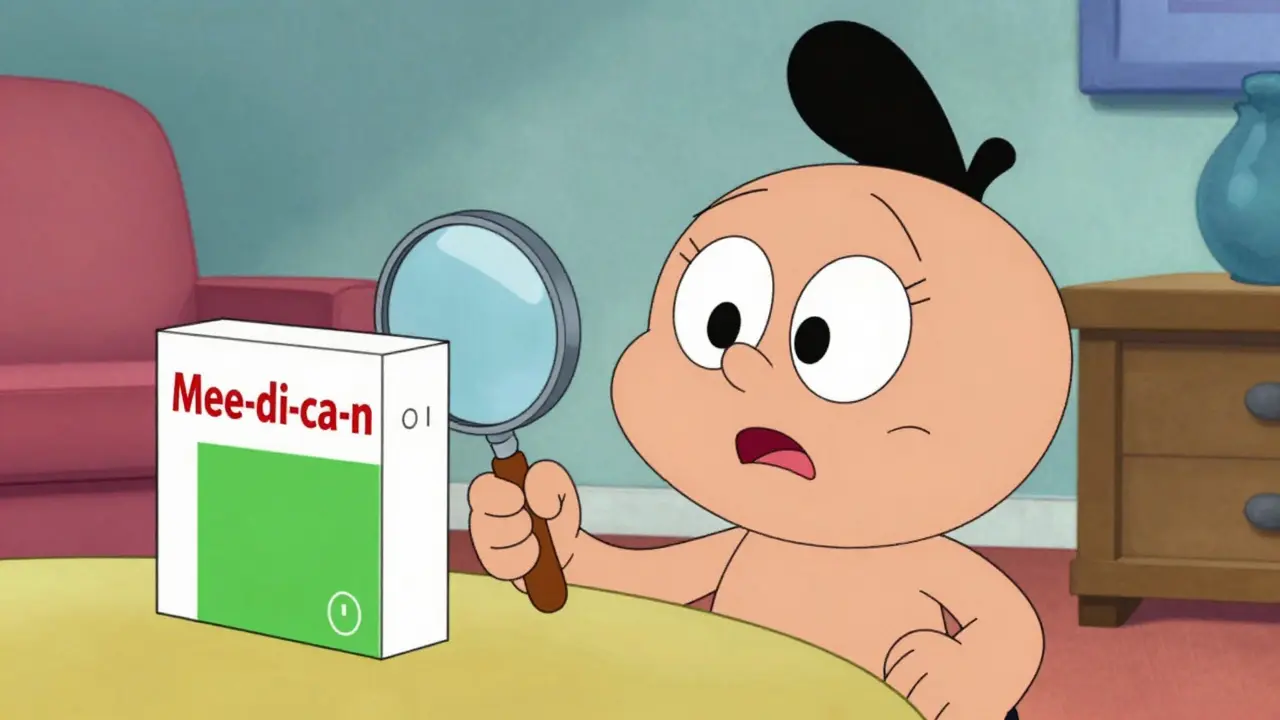
Imagine paying for a life-saving medication, taking it exactly as prescribed, and discovering weeks later that the pill was actually filled with amphetamine or, worse, lethal doses of fentanyl. This isn't a plot from a thriller; it's a reality for thousands of people every year. Counterfeit medication is a pharmaceutical product deliberately and fraudulently mislabeled regarding its identity or source. While it sounds like a problem for other countries, it's hitting home. From fake weight-loss injections to counterfeit heart medication, the stakes are incredibly high. If you're buying meds online or from non-traditional sources, you need to know exactly what to look for to keep yourself safe.
Quick Checklist: The Biggest Warning Signs
- Prices that seem too good to be true (50-80% off retail).
- Typos or strange formatting on the packaging.
- Pharmacies that don't ask for a valid prescription.
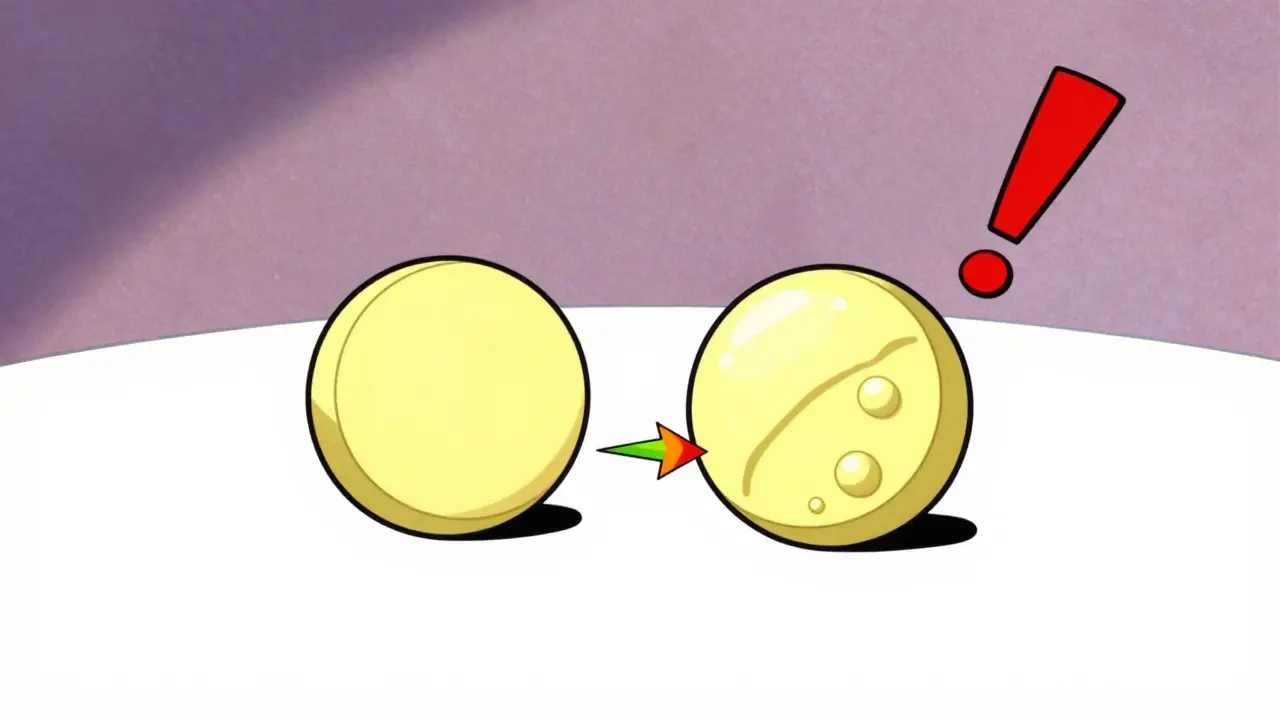
- Pills that look, smell, or dissolve differently than your last refill.
- A lack of a verified
.pharmacydomain name.
The Price Trap: Why 'Cheap' is Dangerous
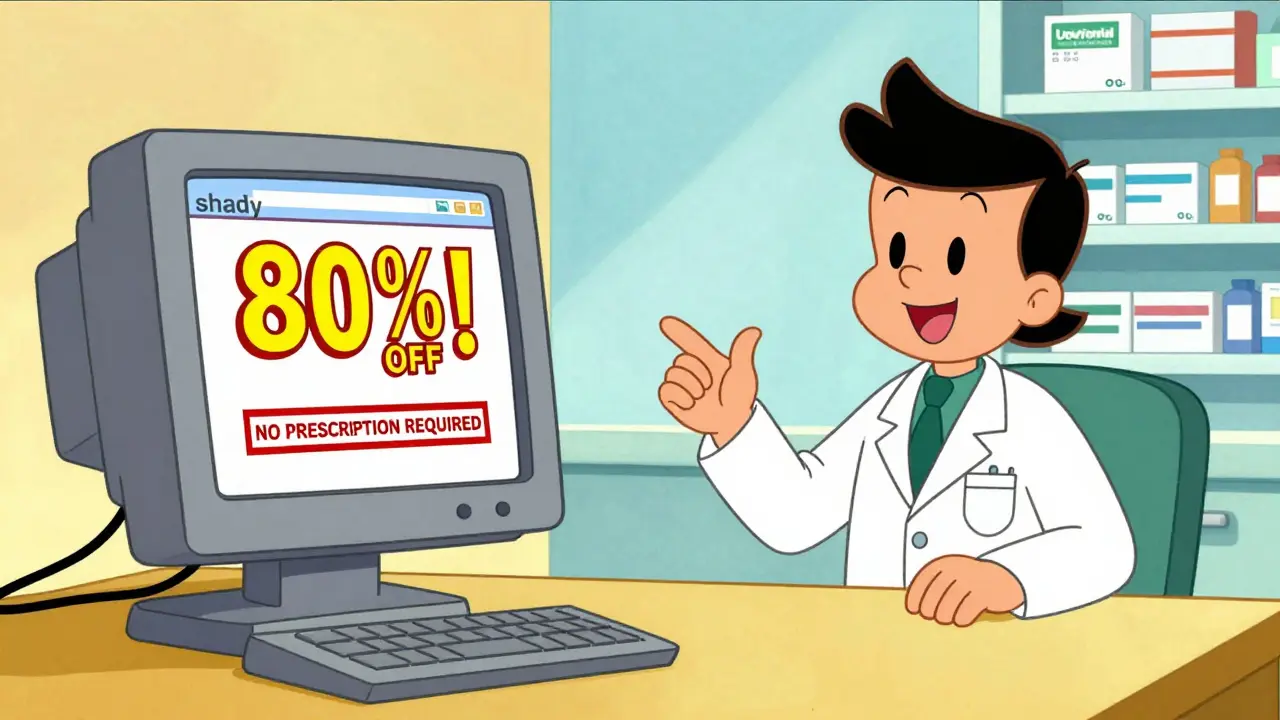
We all love a good deal, but in the world of pharmaceuticals, a massive discount is a massive red flag. Legitimate pharmacies rarely discount prescription drugs more than 20% below the market rate. If you stumble upon a site offering your medication at 50% to 80% off, you aren't finding a bargain-you're likely looking at a criminal enterprise. According to data from the DEA's Operation Press Your Luck, these deep discounts are the primary lure for counterfeiters. For example, high-cost specialty drugs that cost over $1,000 a month are prime targets. Because the profit margins are so huge, criminals are willing to spend more on making the fake look real, but they can't hide the unrealistic pricing.
Packaging Clues: Look Closer at the Box
The box is often where the criminals slip up. Most counterfeit drugs are caught because of packaging defects. When you get your medication, don't just toss the box; inspect it. Look for spelling errors, which appear in over 60% of fake cases. Check the batch numbers and expiry dates. Are they smudged? Are they in the wrong place?
Even the printing quality can give it away. If you look at the text under a magnifying glass and see pixelation, it's a sign of low-quality printing rather than professional pharmaceutical manufacturing. While some high-end fakes can replicate holograms with 95% accuracy, they often lack the proprietary microtext that only becomes visible under high magnification. Also, always check the seal. If the tamper-evident seal looks like it was glued back on or doesn't break cleanly, do not take the medication.
| Feature | Legitimate Medication | Counterfeit Red Flag |
|---|---|---|
| Printing | Crisp, high-resolution text | Pixelated or blurry edges |
| Spelling | Perfectly accurate | Minor typos or odd phrasing |
| Lot/Batch No. | Matches manufacturer records | Missing, fake, or non-existent |
| Seal | Intact and tamper-evident | Reapplied or easily peeled off |
Physical Red Flags: When the Pill Looks 'Off'
Your senses are your best defense. If you've taken a drug for months and the new batch feels different, trust your gut. Legitimate pharmaceuticals follow strict standards, like those set by the
USP (United States Pharmacopeia), which ensures tablets don't vary by more than 5% in weight or 2% in diameter.
Watch out for these physical warning signs:
The danger here isn't just that the drug won't work. Some fakes contain completely different active ingredients. In one case, a fake version of a common ED medication actually contained amphetamines. Even more terrifying is the trend of fake opioid pills; many contain lethal concentrations of fentanyl, sometimes up to 46 times the standard dose of a legitimate pill. The internet has made it too easy to buy meds without a doctor's visit. But that convenience comes with a huge risk. If a website doesn't require a prescription, it is almost certainly illegal.
One of the best ways to verify a site is to look for the
.pharmacy domain. This isn't just a regular web address; it's a restricted domain registered through the
National Association of Boards of Pharmacy (NABP). To get this domain, a pharmacy must be vetted and licensed. As of early 2025, only a tiny fraction of online pharmacies are verified, while thousands of illegal sites operate under the radar. Sometimes the packaging is perfect and the pill looks right, but your body knows something is wrong. The most common way pharmacists identify counterfeits is through patient complaints.
Pay close attention to:
If you suspect your medication is fake, do not take another dose. Instead, follow this verification process:
Looking ahead, the industry is fighting back with tech. The FDA is introducing "PharmMark," a system using nanoparticles that only show up under UV light. While we wait for that to become standard, your best tool is a healthy dose of skepticism and a strict adherence to verified pharmacies. Yes, although it's much rarer than online fraud. Counterfeits can enter the legitimate supply chain through unauthorized wholesalers. This is why the Drug Supply Chain Security Act (DSCSA) was created-to track drugs electronically from the factory to the pharmacy. Stop taking the medication immediately and contact your healthcare provider or visit an urgent care center. Be prepared to tell them exactly what you took and, if possible, bring the packaging and remaining pills with you for analysis. Not necessarily. Counterfeiters target high-demand, high-cost drugs regardless of whether they are brand-name or generic. The risk is tied more to the source of the drug than whether it is a generic version. Check for a Currently, there is a massive increase in counterfeit weight-loss drugs (GLP-1 agonists like Ozempic) and specialty pharmaceuticals with high monthly costs. Cardiovascular drugs and ED medications also remain top targets for counterfeiters. If you are unsure about a current prescription, the fastest way to get peace of mind is to take the medication to your local pharmacist. They have the training and reference tools to spot inconsistencies that the average person might miss. For those buying online, stick to the NABP-verified list and never compromise your health for a discount. If you find a red flag, reporting it to MedWatch doesn't just protect you-it could save someone else's life.
Online Pharmacy Safety: Avoiding the Digital Minefield
The 'Silent' Red Flag: How You Feel
How to Verify and Report Your Suspicions
Can a drug be counterfeit if I bought it from a physical store?
What should I do if I've already taken a suspected fake pill?
Are generic drugs more likely to be counterfeit?
How can I tell if an online pharmacy is legitimate?
.pharmacy domain, ensure they require a valid prescription, and verify their license through the National Association of Boards of Pharmacy (NABP). Avoid any site that offers extreme discounts or "no-prescription" options.What is the most common fake drug right now?
Next Steps for Your Safety
Nikita Shabanov
The mention of .pharmacy domains is a very practical tip for anyone sourcing meds online. In my experience, verifying the licensing through the NABP is the only way to be truly sure about the vendor's legitimacy.
Jaclyn Vo
Omg please tell me why people still buy meds from random websites in 2025!! 🙄 Like, really, do you just enjoy gambling with your life? I literally told my sister this three years ago and she still does it!! Absolute madness 😱💅
Daniel Runion
Absolute garbage advice...!!! Who actually has a magnifying glass lying around to check for "microtext"??? Just completely unrealistic...!!! Also, the FDA is basically a joke anyway, so why trust their reports??? Ridiculous...!!!
James Harrison
It's interesting how the fear of the fake drives us back toward centralized authority, even when that authority is flawed. We trade a bit of our autonomy for the peace of mind that the pill won't kill us.
William Zhigaylo
Your naive insistence on trust in corporate pharmaceutical entities is utterly repulsive. These corporations profit from the very desperation that leads people to seek cheaper alternatives, yet you demand we bow to their "verified" stamps of approval while they bleed us dry with predatory pricing.
Elle Torres Sanz
I can see why some people feel trapped by the prices, but safety has to come first for everyone. Maybe we can focus on supporting community programs that help people get legitimate meds at affordable rates so they don't feel forced to take these risks.
Michael Deane
This whole mess is exactly why we need to stop letting foreign garbage infiltrate our supply chains and start bringing every single single piece of pharmaceutical manufacturing back to American soil where we can actually keep a damn eye on it because it's a total disgrace that we're importing half our stuff from places that couldn't care less if we drop dead from some fake pill filled with who-knows-what while our own citizens are just trying to get by and stay healthy in their own country without having to play detective with a magnifying glass like some kind of joke.
Ben Jima
If anyone is feeling overwhelmed by the risks, just remember that your local pharmacist is your greatest resource! They are trained professionals who can verify your meds in seconds, so don't hesitate to walk in and ask for a quick check to stay safe and healthy!