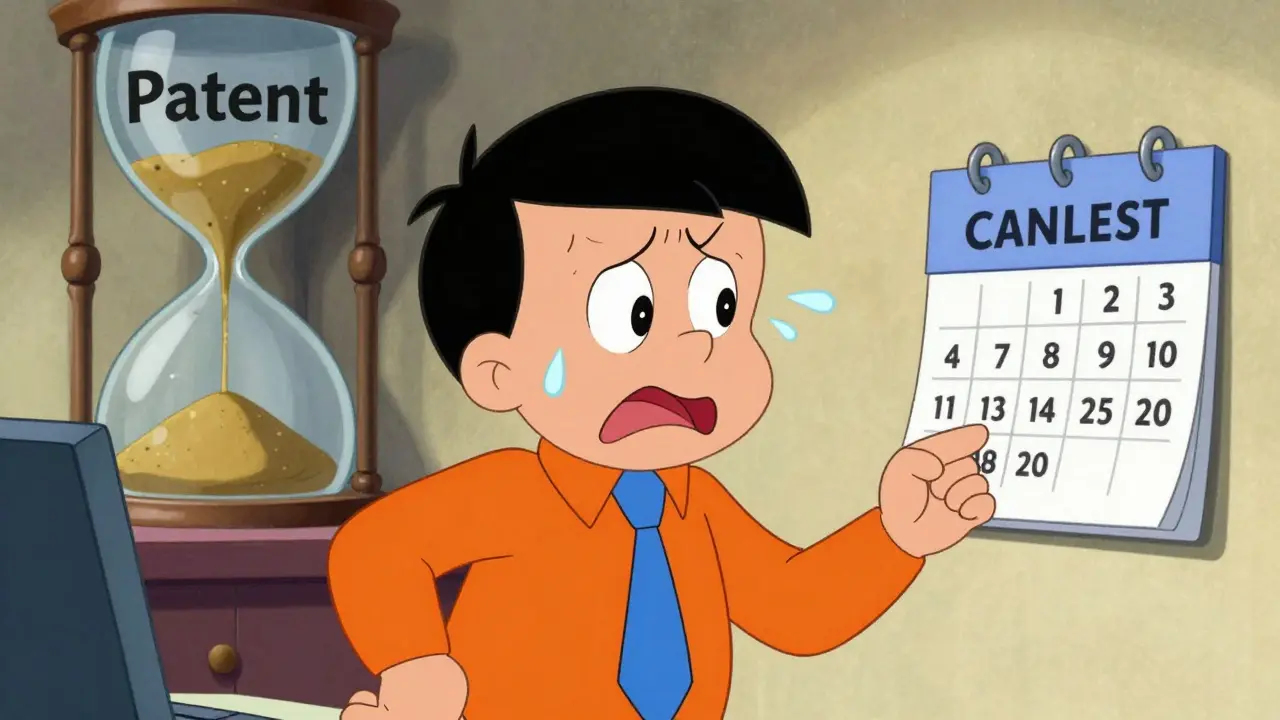
Imagine spending billions of dollars and over a decade developing a new life-saving drug. You finally get the green light from regulators, but your patent-the legal shield that keeps competitors away-is about to expire. It feels like a cruel joke. This is exactly why Patent Term Extension is a critical legal mechanism that allows pharmaceutical companies to recoup some of the time lost during regulatory review. Without it, many innovative drugs would never be profitable enough to justify their development costs.
This guide breaks down how this system works, who qualifies, and why it matters for both big pharma and generic drug manufacturers. We’ll look at the rules set by the Hatch-Waxman Act, the strict math behind the extensions, and the recent controversies surrounding these extended monopolies.
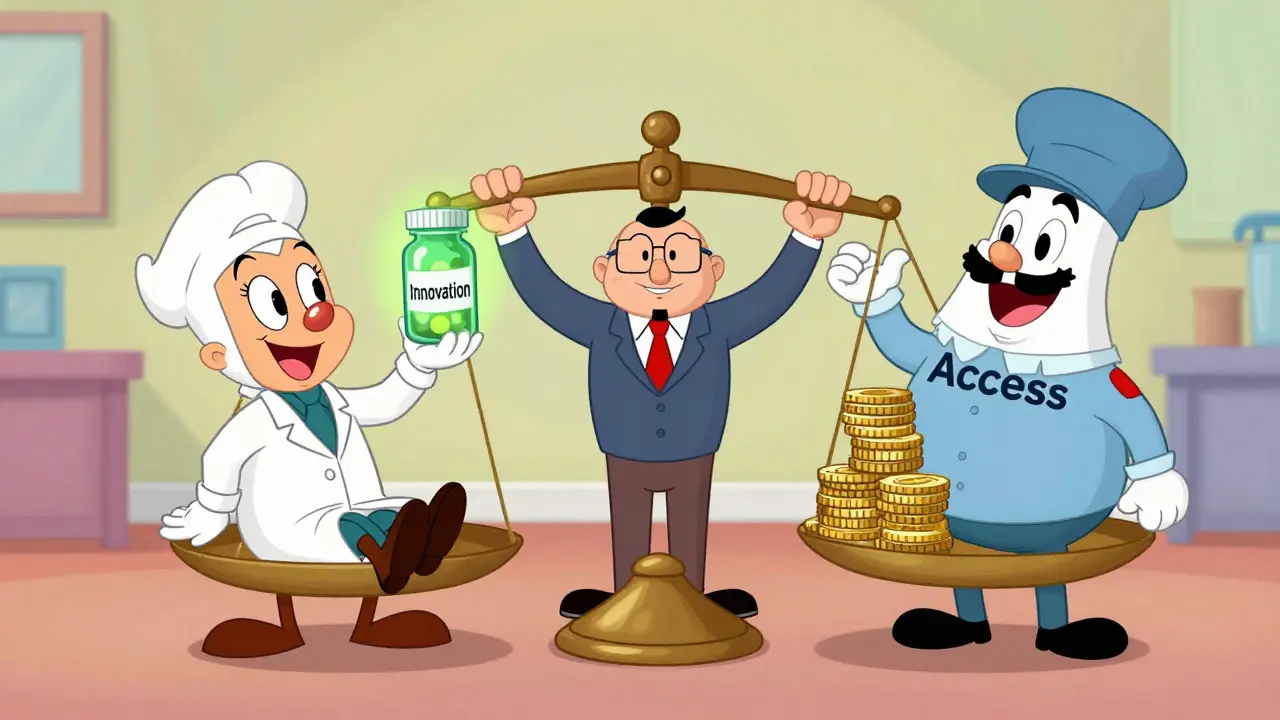
The Origin Story: Balancing Innovation and Access
To understand Patent Term Restoration, you have to go back to 1984. Before this year, drug companies faced a tough choice. They could file for a patent early to protect their invention, but then they had to wait years for FDA approval. During that waiting period, the patent clock kept ticking. By the time the drug hit the shelves, there might be only a few years of exclusivity left-or none at all. Alternatively, they could wait until after approval to file, but then their formula was unprotected during the testing phase.
Congress stepped in with the Drug Price Competition and Patent Term Restoration Act, better known as the Hatch-Waxman Act. Signed by President Ronald Reagan, this law created a compromise. It made it easier for generic drugs to enter the market once patents expired, but it also allowed original developers to extend their patent life to compensate for the time spent getting regulatory approval. The goal was simple: keep innovation alive while ensuring patients eventually get cheaper generics.
This framework applies to human drug products, medical devices, food additives, and color additives. Later, in 1988, Congress expanded it to include animal drugs through the Generic Animal Drug and Patent Term Restoration Act. Today, this system remains a cornerstone of the pharmaceutical industry’s business model.
Who Qualifies for a Patent Extension?
Not every patent gets an extension. The bar is high, and the rules are specific. To qualify, you must meet several strict criteria defined in Title 21 of the Code of Federal Regulations.
- Product Type: The patent must claim a product approved by the U.S. Food and Drug Administration (FDA). This includes new chemical entities, new biological products, and certain medical devices.
- First Marketing: The product must be receiving its first marketing approval. If the drug has already been on the market under a different name or formulation, you’re out of luck.
- Regulatory Review: The product must have undergone a regulatory review period before commercial marketing. This means the FDA actively reviewed safety and efficacy data.
- Patent Status: The patent cannot have expired yet, and it cannot have been previously extended.
- One Patent Per Product: You can only extend one patent per product. This prevents companies from stacking multiple extensions on a single drug.
If you’re a small biotech startup, this process can feel daunting. That’s why the FDA offers a Small Business Assistance program. In 2023 alone, they handled nearly 1,850 inquiries specifically about PTE applications, helping smaller players navigate the complex paperwork.
The Math Behind the Extension
How long do you get? It’s not a flat number. The length of the extension depends on how much time you lost during the regulatory review. The formula looks complicated, but it boils down to two main caps.
First, calculate the Regulatory Review Period (RRP). This is the time between filing an Investigational New Drug (IND) application and receiving final FDA approval. From this, you subtract any pre-grant review time and days where you weren’t acting with due diligence. The result is divided by two. Why half? Because the law assumes you were working on other things during part of that time.
However, there are hard limits:
- The Five-Year Cap: No matter how long the review took, you can never get more than five additional years of patent life.
- The Fourteen-Year Cap: The total remaining patent term-including the extension-cannot exceed fourteen years from the date of FDA product approval.
For example, if your drug took ten years to get approved and your patent expires immediately after approval, you might think you’d get five years. But if the calculation shows you’re entitled to six years, the five-year cap kicks in. Conversely, if the math gives you three years, but adding those three years would push your total post-approval exclusivity beyond fourteen years, the fourteen-year cap reduces the extension.
This dual-cap system ensures that while companies are compensated for delays, they don’t gain excessive monopoly power that stifles competition indefinitely.
Filing the Application: Timing Is Everything
You can’t just decide to apply whenever you want. The window is narrow. You must file the PTE application within 60 days of the product’s initial FDA approval. Missing this deadline means forfeiting the extension entirely. There’s no grace period for late filings.
The application goes to the United States Patent and Trademark Office (USPTO), but the FDA plays a crucial role. The FDA determines whether the product is eligible and calculates the regulatory review period. They then send this information to the USPTO, which makes the final decision on the extension length.
Here’s where it gets tricky: proving due diligence. The USPTO requires detailed evidence that you acted continuously and diligently throughout the regulatory process. According to a senior patent specialist, the most common mistake is underestimating the documentation trail. You need day-by-day records showing progress, not just milestone dates. In 2022, the USPTO denied 12.7% of applications primarily because applicants failed to prove continuous due diligence.
If your patent is expiring soon but FDA approval hasn’t come through, you can apply for an Interim Extension. This temporary protection starts six months before patent expiration and lasts until fifteen days before expiration. It bridges the gap while you wait for the final decision.
Controversy: Are Extensions Fair?
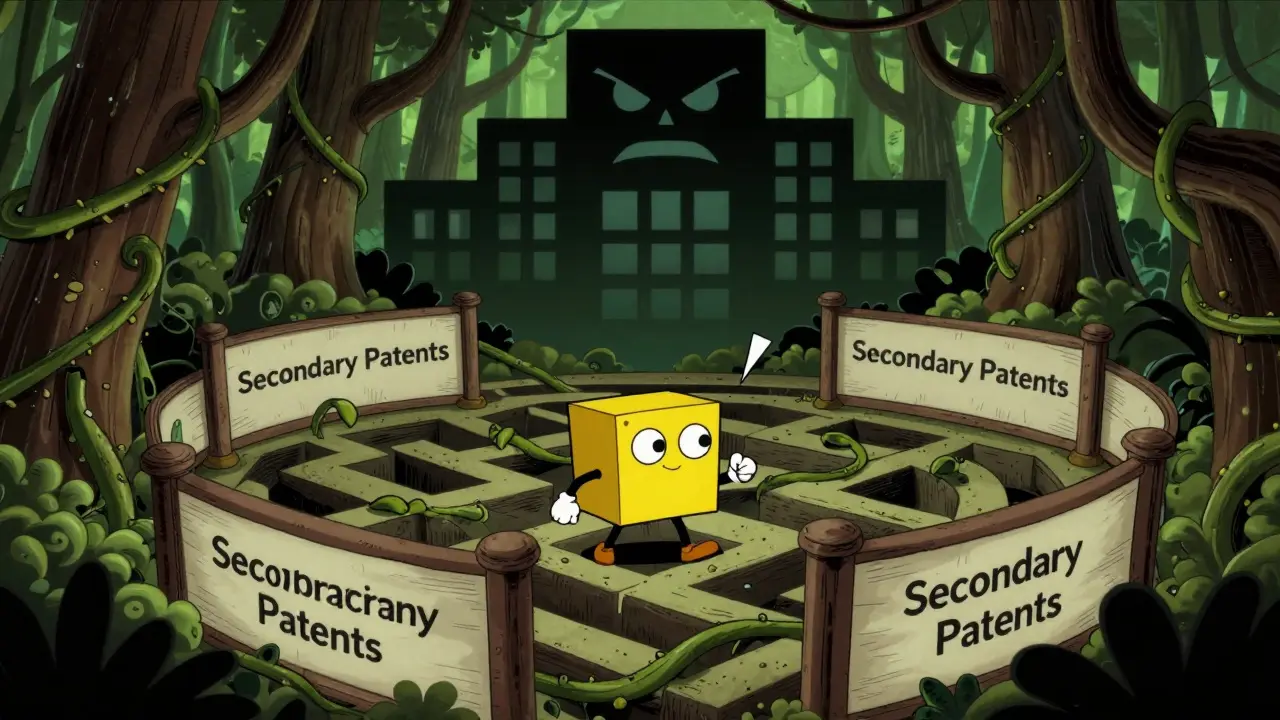
While PTE aims to balance innovation and access, critics argue it often tips the scale too far toward big pharma. A 2022 study published in the Yale Law and Policy Review found that 91% of drugs obtaining patent term extensions continue their monopolies well past the official extension period. How? Through secondary patents on formulations, delivery methods, or manufacturing processes-creating what experts call “patent thickets.”
James Love of Knowledge Ecology International argues that the system has been exploited to delay generic competition longer than intended. Data from the FDA Orange Book shows that 78% of PTE applications involve secondary patents rather than the original compound patent. This means the core drug molecule might be generic-ready, but related patents block entry.
The financial impact is significant. The Congressional Budget Office estimated in 2022 that PTE provisions add approximately $4.2 billion annually to U.S. prescription drug spending by delaying generic competition. Meanwhile, branded pharmaceuticals generate 78% of industry revenue despite representing only 12% of prescriptions filled in the U.S.
On the flip side, proponents argue that without PTE, many high-risk, high-reward innovations wouldn’t happen. Developing a new drug costs an average of $2.6 billion and takes 10-15 years. Without the extra time to recoup investment, companies might shift focus to safer, incremental improvements rather than breakthrough therapies.
Recent Changes and Future Outlook
The landscape is shifting. In January 2024, the FDA issued new guidance clarifying expectations for demonstrating due diligence. The USPTO also tightened standards following a Federal Circuit decision in *Eli Lilly v. USPTO*, which established stricter proof requirements for pre-approval activities. Analysts predict this could reduce average extension periods by 8-12 months.
Looking ahead, the FDA plans to modernize the PTE process with digital submission platforms by Q2 2026. This should streamline applications and reduce processing times, which averaged 217 days in fiscal year 2023.
Legislative pressure is mounting. The proposed Preserve Access to Affordable Generics and Biosimilars Act seeks to limit certain PTE strategies, particularly those involving secondary patents. Additionally, the Government Accountability Office will release a comprehensive review of PTE’s impact on drug pricing in December 2025, potentially leading to further reforms.
For now, PTE remains a powerful tool for pharmaceutical companies. But as scrutiny increases, the balance between rewarding innovation and ensuring affordable access continues to evolve.
What is the maximum length of a patent term extension?
The maximum extension is five years. However, the total remaining patent term including the extension cannot exceed fourteen years from the date of FDA product approval.
When must I file for a patent term extension?
You must file within 60 days of the product’s initial FDA approval. There is no grace period for late filings.
Can I extend multiple patents for the same drug?
No. Only one patent per product can be extended. This prevents stacking multiple extensions on a single drug.
Why do critics oppose patent term extensions?
Critics argue that PTE delays generic competition, keeping drug prices high. Studies show that 91% of extended patents maintain monopolies beyond the official extension period through secondary patents.
Does PTE apply to biologics?
Yes. Biologics are eligible for PTE. In fact, 34% of PTE applications in 2023 involved biologic products, up from 19% in 2018.
What happens if my patent expires before FDA approval?
You can apply for an Interim Extension, which provides temporary protection starting six months before patent expiration and lasting until fifteen days before expiration.