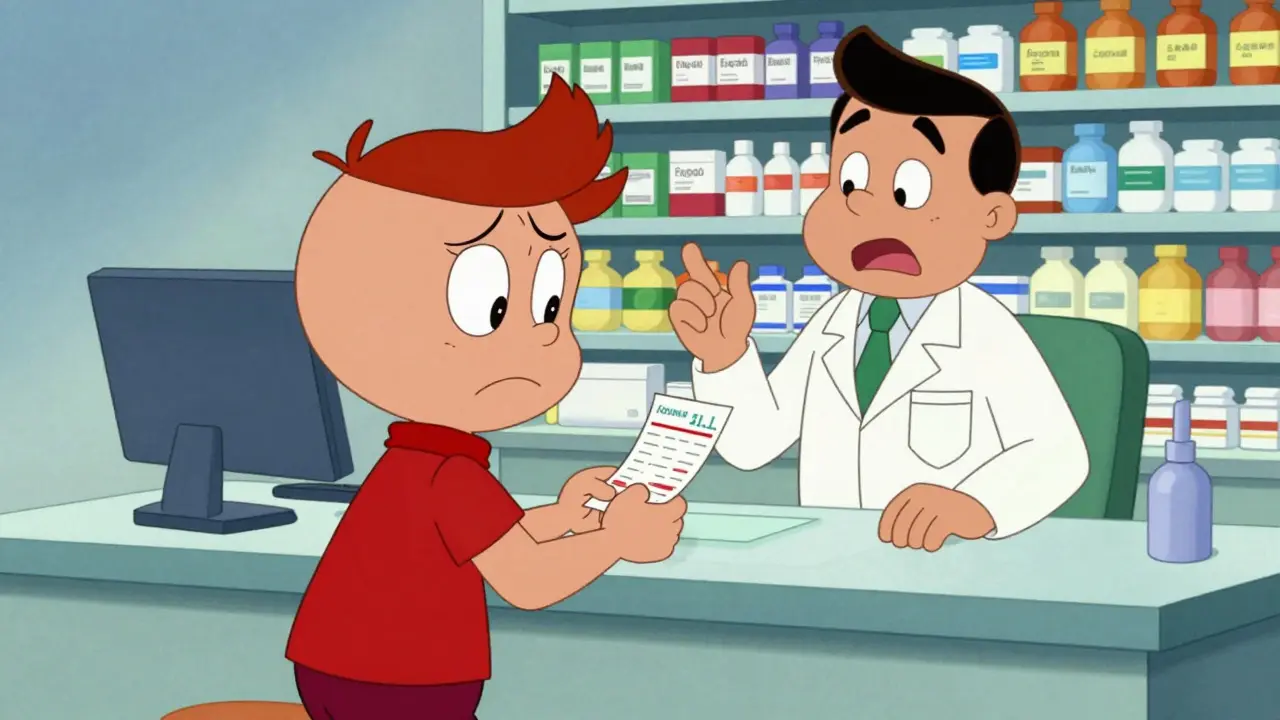
Imagine you're at the pharmacy counter, ready to pick up a life-saving prescription, only to be told it's not covered yet. You have to wait days or even weeks while your doctor fights with an insurance company just to get a simple "yes." This is the reality of prior authorization, a process that acts as a gatekeeper between you and your medication. It’s frustrating, confusing, and often feels like a bureaucratic hurdle designed to slow things down. But understanding how it works can save you time, money, and stress.
Prior authorization isn't just red tape; it's a cost-control mechanism used by health plans to ensure drugs are prescribed appropriately. However, for patients, it often means delayed access to care. Whether you're dealing with a chronic condition or a new diagnosis, knowing what triggers this requirement and how to navigate it is essential for managing your healthcare journey effectively.
What Exactly Is Prior Authorization?
Prior authorization is a utilization management practice where health insurance companies require healthcare providers to obtain pre-approval before prescribing certain medications to ensure coverage. Think of it as a second check before the insurer pays out. The goal, according to the Academy of Managed Care Pharmacy (AMCP), is to ensure that drug benefits are administered as designed and that members receive therapy that is safe, effective, and provides value. In simpler terms, the insurer wants to make sure you aren't being prescribed an expensive brand-name drug when a cheaper generic would work just as well, or that the drug is actually necessary for your specific condition.
This process varies slightly depending on your provider. For Medicare Part D beneficiaries, it is often referred to as a "coverage determination." Regardless of the name, the core concept remains the same: the prescriber must prove medical necessity before the plan covers the cost. If the criteria aren't met, the drug won't be approved for payment until the authorization is entered into the system.
Which Medications Trigger This Process?
Not every pill requires prior authorization. Most common generics and standard treatments go through smoothly. However, certain categories of drugs are frequent targets for this review. If you fall into any of these groups, you should expect a potential delay:
- Brand-name drugs with generic alternatives: Insurers prefer the lower-cost version unless there is a compelling reason to use the brand.
- High-cost medications: Biologics, specialty drugs, and newer therapies often trigger a review due to their price tags.
- Drugs with specific usage guidelines: Some medications are only covered if you have failed other treatments first (step therapy) or if you meet specific age or condition criteria.
- Off-label uses: If a doctor prescribes a drug for a condition it wasn't originally FDA-approved for, extra documentation is usually required.
- Specialist-only prescriptions: Certain complex drugs, like chemotherapy agents, may only be covered if prescribed by a specific type of specialist, such as an oncologist.
The Mayo Clinic notes that patients are responsible for knowing if their medication will be covered. This puts the onus on you to check your plan's formulary-the list of preferred drugs-before filling a prescription. Many insurers offer online tools, like Blue Shield of California's "Price Check My Rx," which let you see pricing and possible alternatives before you even visit the doctor.
The Step-by-Step Approval Workflow
So, what happens when a doctor decides you need a drug that requires prior authorization? The workflow typically follows these steps:
- Prescription Issued: Your healthcare provider determines you need a specific medication.
- Formulary Check: The provider (or their staff) checks the health plan's policy rules to confirm if prior authorization is needed.
- Request Submission: The provider submits a formal request form, attesting that the information supporting the medical necessity claim is true and accurate. This includes details about your diagnosis and why this specific drug is needed.
- Review Period: The insurance company reviews the file. This can take anywhere from a couple of days to a few weeks. Urgent requests may be processed faster.
- Decision: The plan either approves the drug, denies it, or asks for more information. If approved, the authorization lasts for a defined timeframe and may expire, requiring re-application for future fills.
For off-label indications, the AMCP explains that the prescriber might need to present evidence supporting the unapproved use, or a pharmacist assigned by the plan may conduct a medical literature review. This adds another layer of complexity but ensures that non-standard uses are backed by clinical data.

Why Do Insurers Require It?
It’s easy to view prior authorization as a way for insurance companies to save money at your expense. And honestly, that’s part of it. Cigna Healthcare explains that the process gives the insurer a chance to review how necessary a treatment is. They might decide that a generic or a lower-cost alternative works just as well. The American Medical Association (AMA) acknowledges that physicians see this as a tactic to control costs.
However, the rationale isn't purely financial. The AMCP emphasizes that prior authorization is based on clinical need and therapeutic rationale. It gives the prescriber the opportunity to justify the therapeutic basis for the medication. Ideally, the administration of this process takes into consideration the desired outcome for the patient, the design of the drug benefit, and statutory requirements. When done right, it prevents unnecessary spending on ineffective treatments and ensures that high-value therapies reach those who truly need them.
How to Navigate the Process Like a Pro
You don’t have to sit back and hope for the best. Here are practical strategies to speed things up and avoid surprises:
- Check the Formulary First: Before your appointment, log in to your insurance portal and look up the drug. If it’s not on the preferred list, ask your doctor about alternatives that are covered.
- Ask About Urgent Requests: If you can’t wait weeks, ask your provider to file an urgent prior authorization request. GoodRx suggests this can significantly reduce wait times.
- Follow Up Directly: Contact your doctor’s office to confirm the request was submitted. Don’t assume it happened. You can also call the customer service number on your member ID card to track the status.
- Consider Paying Upfront: In some cases, if the delay is critical, you might pay cash at the pharmacy and submit a reimbursement claim after approval. Ask your pharmacist if this is a viable option for your specific drug.
- Emergency Exception: Medicare clarifies that prior authorization is not required in emergencies. If you need immediate treatment, document the emergency nature of the situation to ensure coverage under your plan's terms.
If a medication is denied, you have options. You can discuss insurance-covered alternatives with your doctor, pay out-of-pocket, or appeal the decision. The AMA advises patients to understand their rights in the appeals process, as many denials are overturned upon review.

Comparing Prior Authorization Across Plans
While the core concept is universal, the specifics vary by provider. Here’s a quick comparison of how major entities handle the process:
| Provider Type | Terminology Used | Key Requirement | Typical Timeline |
|---|---|---|---|
| Medicare Part D | Coverage Determination | Medical necessity proof; specific criteria per plan | Varies; urgent cases expedited |
| Commercial (e.g., Blue Shield, Cigna) | Prior Authorization / Pre-certification | Formulary compliance; step therapy adherence | A few days to a few weeks |
| Specialty Pharmacy | Utilization Management Review | Specialist prescription; diagnostic testing verification | Often longer due to complex documentation |
Note that timelines are not guaranteed. While most plans aim for efficiency, missing documents or unclear diagnoses can extend the process. Always keep copies of all submissions and correspondence.
Frequently Asked Questions
Who is responsible for submitting the prior authorization request?
The healthcare provider (doctor, nurse practitioner, or pharmacist) is typically responsible for initiating and submitting the request. However, patients can follow up to ensure it was sent and provide additional personal documentation if requested.
How long does prior authorization usually take?
It can take anywhere from a couple of days to a few weeks. Urgent requests are processed faster, often within 72 hours, while standard requests may take up to 14 days or more depending on the complexity of the case.
What happens if my prior authorization is denied?
If denied, you can ask your doctor to resubmit with more evidence, switch to a covered alternative, pay out-of-pocket, or file a formal appeal with the insurance company. Many denials are reversed during the appeal process.
Does prior authorization apply to over-the-counter medications?
Generally, no. Prior authorization applies to prescription drugs. However, some OTC products may be covered by insurance if they are recommended by a doctor and listed on the plan's formulary, but this is less common and varies by plan.
Can I change my insurance plan to avoid prior authorization?
You can compare plans during open enrollment. Some plans have fewer restrictions or broader formularies. However, almost all comprehensive health plans use some form of utilization management, so complete avoidance is rare. Look for plans with transparent formulary lists and faster turnaround times.