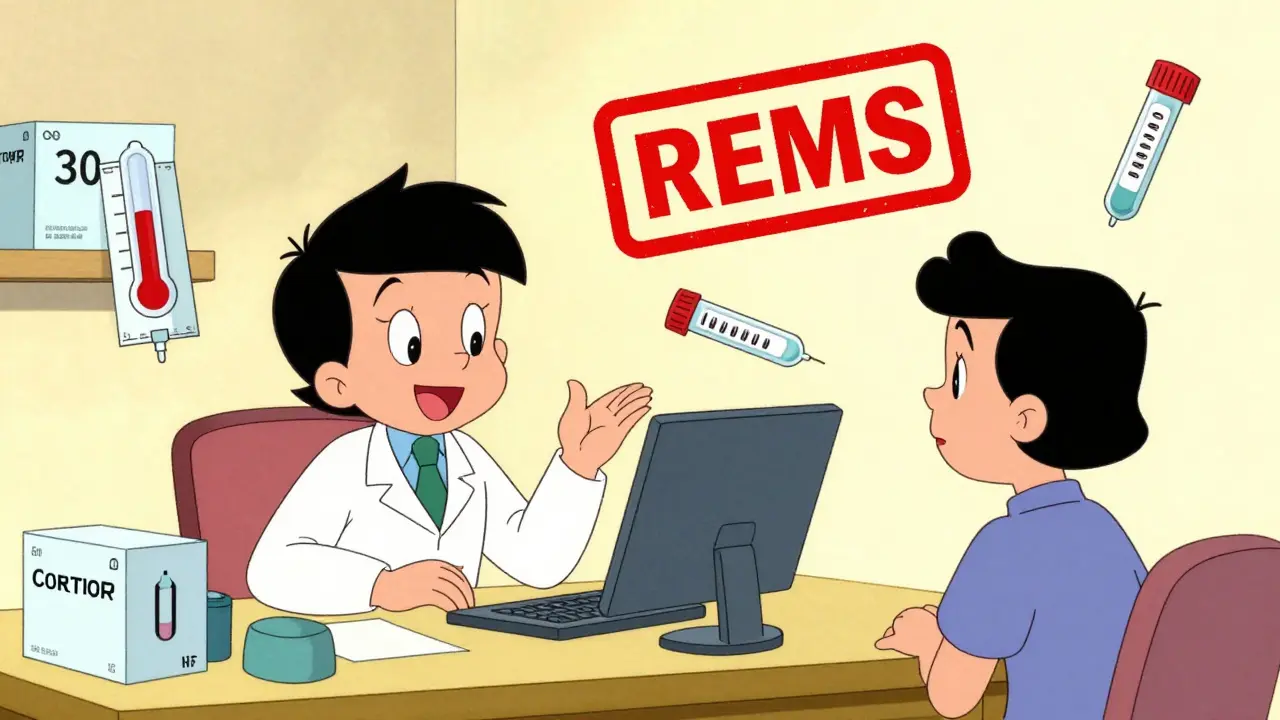
When a patient switches from a brand-name specialty drug to a generic version, many assume the process becomes simpler. But in specialty pharmacy, that’s not the case. Even when the drug is cheaper, the specialty pharmacy still handles it the same way: with detailed coordination, patient education, and strict compliance protocols. Providers don’t just write a prescription and move on-they’re deeply involved in making sure the patient gets the right drug, at the right time, with the right support.
Why Specialty Pharmacies Handle Generic Drugs Too
Generic specialty drugs aren’t like the pills you pick up at your local pharmacy. Many of them-like methotrexate, cyclosporine, or mycophenolate-are small-molecule drugs used to treat chronic conditions like rheumatoid arthritis, psoriasis, or organ transplant rejection. They’re complex. They need special storage. They require patient training. And manufacturers often require that they be dispensed only through specialty pharmacies, even when generics are available. This isn’t about brand loyalty. It’s about control. Manufacturers set up restricted distribution programs to ensure patients get counseling, monitoring, and follow-up care. Whether it’s a $10,000 branded biologic or a $300 generic version, the rules stay the same. A 2023 study by the American Society of Health-System Pharmacists found that 89% of specialty drug distribution programs apply equally to branded and generic versions. The drug’s cost doesn’t change the process-it’s the risk profile that matters.The Provider’s Role: More Than Just Prescribing
Providers aren’t just ordering meds. They’re the first checkpoint in a long chain. When a provider writes a prescription for a generic specialty drug, they’re starting a process that involves:- Verifying the patient’s diagnosis matches the drug’s approved use
- Confirming prior authorization requirements with the payer
- Choosing a specialty pharmacy that’s in-network and has the drug in stock
- Ensuring the patient understands the dosing, side effects, and monitoring needs
How Specialty Pharmacies Handle Generic vs. Brand
The workflow for a generic specialty drug is nearly identical to that of a brand-name drug:- Prescription intake - The pharmacy receives the e-prescription, often through a secure system like Surescripts.
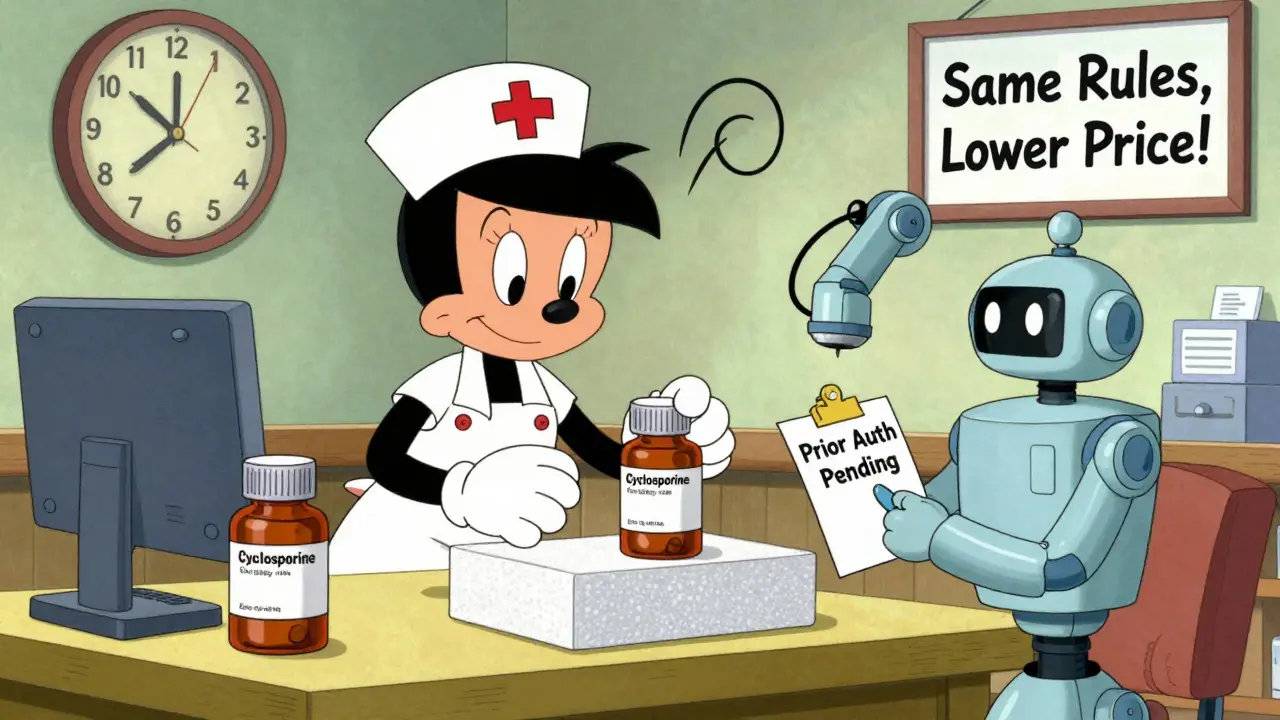
- Prior authorization - Even generics face the same insurance hurdles. Payers may require step therapy or documentation of prior drug failure.
- Financial assistance - Patients may still qualify for copay assistance, even with generics, because specialty drugs often have high list prices.
- Clinical review - Pharmacists check for drug interactions, renal/hepatic dosing, and lab requirements.
- Patient counseling - Nurses or pharmacists call to explain how to take the drug, what side effects to watch for, and when to call for help.
- Dispensing and delivery - The drug is packed in temperature-controlled packaging and shipped directly to the patient’s home.
- Follow-up - The pharmacy calls again at 7, 14, and 30 days to check on adherence and side effects.
Why Patients Still Prefer Specialty Pharmacies for Generics
Some patients are frustrated when their generic drug still goes through a specialty pharmacy. They expect lower cost and faster service. But the data shows they often stay with specialty pharmacies-even for generics-because of the support. A Reddit thread from February 2024 had 147 comments from patients switching from brand to generic specialty drugs. One user, u/MedPatient88, wrote: “My generic version of Xeljanz still comes through the same specialty pharmacy with the same nurse follow-ups, which I actually appreciate because she knows my case history.” Another, u/CancerWarrior2023, complained about higher copays and delays. But the pattern was clear: patients who had consistent care teams were 68% more likely to report satisfaction, according to MyHealthTeams. Specialty pharmacies don’t just ship pills. They build relationships. They track lab results. They coordinate with providers. They answer questions at midnight. That’s why, even with generics, patients often prefer staying put.The Hidden Costs and Challenges
There’s a downside. Specialty pharmacy turnaround times average 7.2 days, compared to 1.2 days at retail pharmacies. For a patient who needs a refill urgently, that delay can be dangerous. And while the drug may be cheaper, the copay doesn’t always reflect it. Some insurers still charge higher coinsurance for specialty drugs, regardless of brand or generic status. Prior authorization remains a major bottleneck. A 2023 study in PMC found that 63% of prior auth denials for generic specialty drugs were due to payer policies-not clinical reasons. Providers often have to call the insurance company multiple times, submit additional documentation, or even appeal decisions. And then there’s the rise of health systems opening their own specialty pharmacies. As of 2024, 63% of hospitals surveyed by ASHP said they planned to expand in-house specialty dispensing. That could mean less control for independent providers and more fragmentation for patients.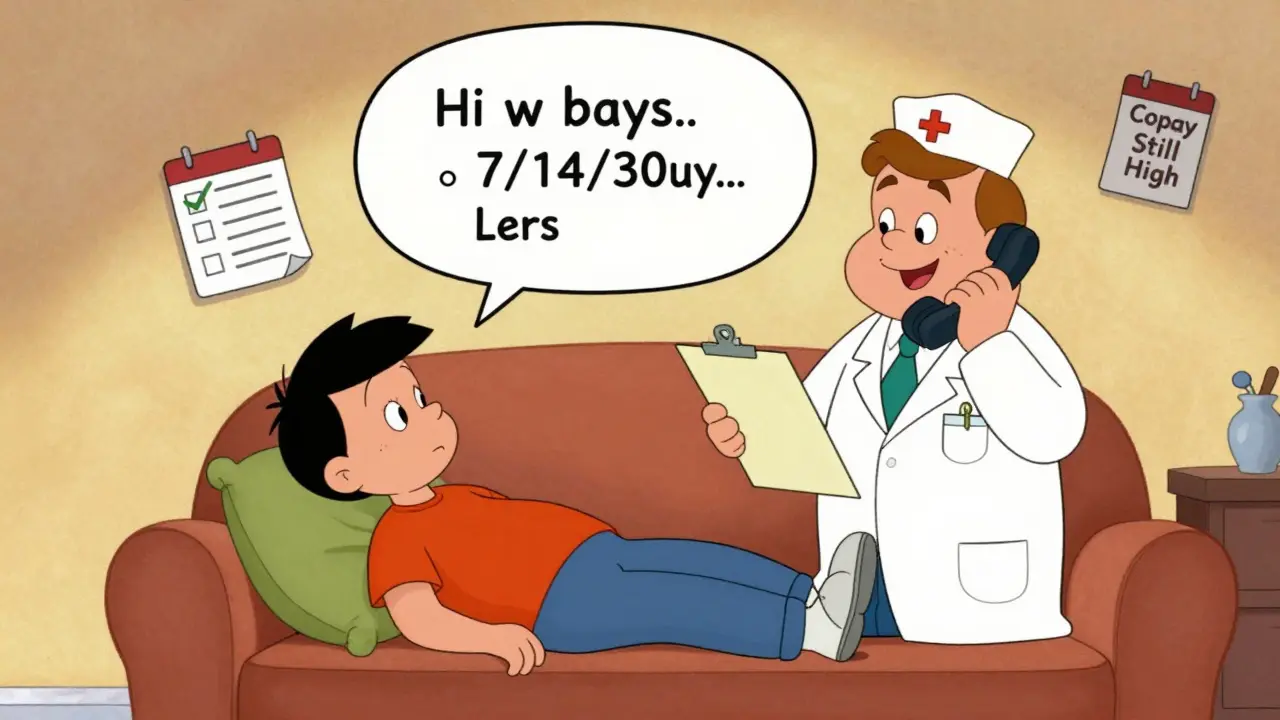
What’s Changing in 2025
New rules are coming. In 2024, CMS mandated that Medicare Part D plans cover all FDA-approved biosimilars-generic versions of biologic drugs. That’s expected to increase specialty pharmacy volume by 40% by 2026. Pharmacies are upgrading their systems to handle the surge. Real-Time Prescription Benefit (RTPB) technology is helping. It lets providers see a patient’s out-of-pocket cost before prescribing. That means fewer surprises and fewer prior auth denials. In 2023, RTPB cut prior auth processing time by 3.2 days across 4.7 million prescriptions. White-bagging and brown-bagging are also growing. In these models, the specialty pharmacy dispenses the drug, but the patient takes it to a clinic for infusion. This is becoming common for both branded and generic specialty drugs, especially in oncology and autoimmune conditions.The Bottom Line for Providers
Providers can’t treat generic specialty drugs like regular generics. The rules are different. The risks are different. The expectations are different. Your job isn’t just to prescribe. It’s to:- Understand which drugs require specialty distribution-even generics
- Choose the right specialty pharmacy that’s in-network and has the drug
- Explain to patients why this process still exists
- Follow up on prior auth status and patient adherence
It’s not about the price of the drug. It’s about the care behind it.
Joe Bartlett
Why are we still doing all this paperwork for a $300 pill? I get it’s complex, but come on. UK does it way simpler. Just hand them the script and move on.
Simple. Fast. Done.
Jane Wei
lol i just got my generic cyclosporine delivered yesterday and yeah, same nurse called me twice. i was like ‘wait, this is cheaper right?’ and she just laughed and said ‘but your body still hates it the same way.’ fair.
still glad she’s checking in.
Meghan O'Shaughnessy
It’s wild how the system treats generics like they’re still the expensive ones. I’ve seen patients cry because their copay didn’t drop even though the drug cost 90% less. The pharmacy isn’t being shady-they’re stuck in a broken system.
Providers need to fight the insurers, not just hand off the script.
Kaylee Esdale
Imagine if your car mechanic treated every oil change like it was a full engine rebuild just because the brand changed.
That’s what this is. We’re treating generics like they’re magic potions that need a team of wizards, a dragon, and a signed prophecy from the FDA.
It’s exhausting. And honestly? Kinda beautiful how much care goes into it.
But also. Can we fix this? 🙏
BETH VON KAUFFMANN
Let’s be real-the whole ‘specialty pharmacy’ model is a regulatory shell game. Manufacturers use REMS and restricted distribution to maintain market control under the guise of ‘patient safety.’
It’s not about risk-it’s about revenue retention. The 89% stat? That’s not clinical-it’s corporate strategy dressed in scrubs.
And don’t get me started on the 63% prior auth denials. That’s pure payer abuse, not ‘complexity.’
Martin Spedding
u/5978 you’re so right 😭
why do we still do this? i mean come on.
my sister got her generic xeljanz and it took 11 days and 3 calls and her copay was still $120.
what even is this? 🤡
Virginia Seitz
My nurse called me at 11pm last week to ask if I was feeling dizzy 😅
It’s weird but also… kinda nice? Like someone actually cares.
So yeah, I’ll take the 7-day wait for the human touch. 🤗
amanda s
THIS IS WHY AMERICA IS BROKEN. You think we’re the land of the free? Nah. We’re the land of the red tape. A $300 drug needs a PhD to get? That’s not healthcare. That’s corporate slavery.
My cousin died waiting for a prior auth. Don’t act like this is ‘care.’
Steven Lavoie
There’s a real human cost here. I’ve seen patients stop taking meds because the delay made them miss work or they couldn’t afford the copay even with assistance. The system isn’t broken-it’s designed this way.
Providers who skip explaining the process? They’re not just lazy. They’re complicit.
Michael Whitaker
One must acknowledge the structural inefficiencies inherent in the current specialty pharmacy paradigm, particularly as they pertain to the incongruity between pharmaceutical cost and administrative overhead. While the utilization of RTPB technology represents a statistically significant improvement in prior authorization latency, the persistence of REMS protocols for generic agents suggests a profound misalignment between regulatory intent and clinical utility.
Perhaps a paradigm shift toward centralized, AI-driven care coordination is warranted-though I fear the entrenched interests will resist such evolution.