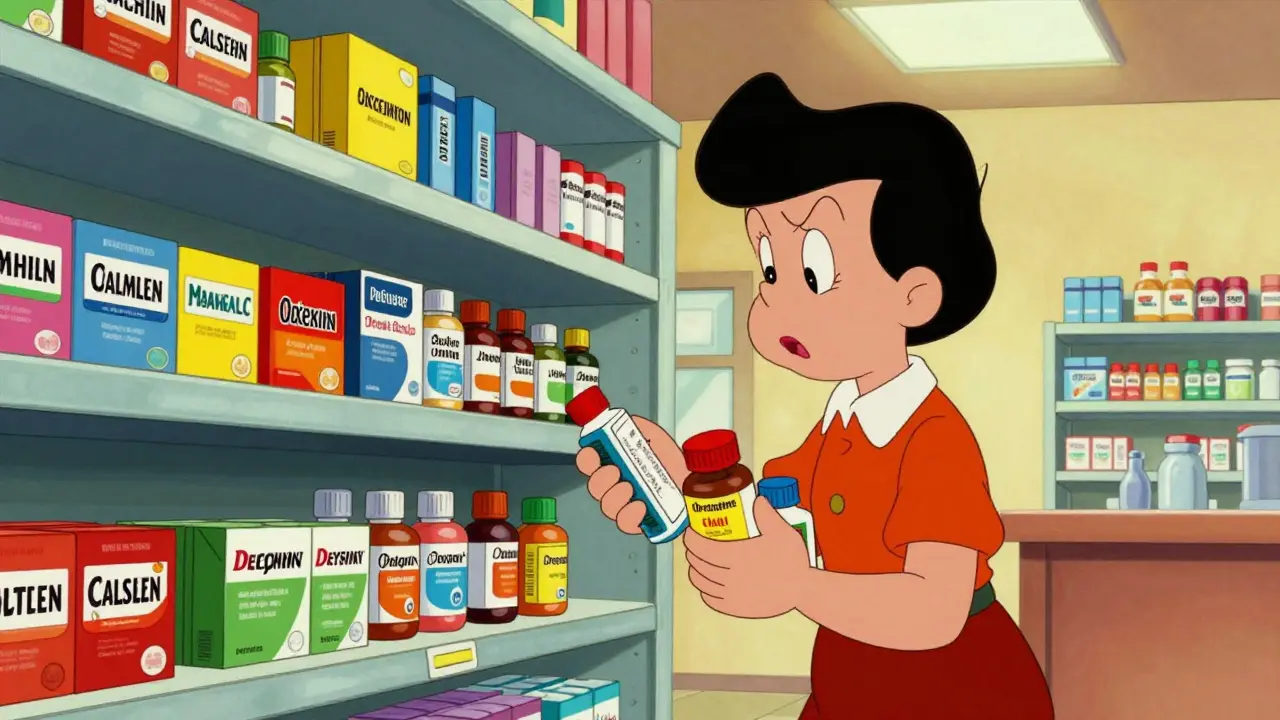
We all reach for those colorful boxes at the pharmacy when our throats scratch or noses run. We assume these Over-the-Counter Cough Medicine is safe because you can buy it without a prescription. But here is the hard truth: many popular ingredients simply do not work as advertised. Recent regulatory shifts have forced us to rethink what actually helps when you are sick.
The Big Question: Do These Pills Actually Work?
You might wonder why a medicine sits on every shelf if it does not help. The issue comes down to how our bodies process certain chemicals. Take PhenylephrineA common nasal decongestant found in many cold remedies. For decades, doctors prescribed it to clear stuffy noses. However, evidence suggests it fails to open airways effectively when taken orally. A major review concluded that standard doses provide no better relief than a sugar pill. This explains why you might take a tablet and still feel blocked up hours later.
The Food and Drug AdministrationThe US agency responsible for regulating medications reviewed this data extensively. By late 2023, their advisory committee agreed that oral forms of this ingredient lack efficacy. This means products you grabbed today might not deliver the congestion relief you paid for. While safety remains generally high for adults, effectiveness is the real bottleneck. It makes sense to look for alternatives that have proven results rather than hoping old formulas work.
Decoding the Ingredients You Swallow
Most multi-symptom boxes mix several drugs together. Understanding each component prevents dangerous mix-ups. Let's break down the active players in these formulations:
- Dextromethorphan: Used to stop the cough reflex. Studies show mixed results, meaning it helps some people but leaves others unchanged. It works by blocking signals in the brain stem.
- Guaifenesin: An expectorant meant to thin mucus. It does not cure infections but may help you clear your throat easier. You need plenty of water for this to work effectively.
- Pseudoephedrine: Often kept behind the counter due to methamphetamine production concerns. Unlike phenylephrine, actual clinical data supports its ability to reduce nasal swelling significantly.
- Antihistamines: Found in nighttime formulas to dry runny noses. They often cause drowsiness, which helps sleep but can linger the next morning.
The problem arises when you layer these products. One person might take a daytime multi-symptom spray plus a generic cough syrup containing the exact same active ingredients. This leads to accidental overdose without realizing it happened.
Safety Guidelines for Children and Toddlers
Parents face the hardest choices when kids get sick. American Academy of PediatricsLeading organization for pediatric health guidelines warns strongly against giving these medicines to children under six years old. Why? Because small bodies metabolize these drugs differently than adults. Side effects like heart rhythm problems or seizures happen much faster in infants.
In the past, parents gave liquid syrups to babies under two years old. That practice is now banned for a reason. Between 2000 and 2007, reports linked these medications to tragic incidents involving young children. Even for toddlers aged two to five, experts recommend caution. Their immune systems fight viruses naturally; forcing them with suppressants can prolong illness or hide fever symptoms that indicate something more serious.
Instead of reaching for syrup, try mechanical methods first. Saline drops loosen thick mucus. Bulb suction clears nostrils gently. These physical interventions carry zero risk of poisoning and directly address the blockage. If your child is over twelve months, HoneyNatural sweetener used as a cough suppressant works surprisingly well. Half a teaspoon before bed soothes the throat lining and reduces cough frequency better than many chemical options.
Hidden Dangers of Mixing Medications
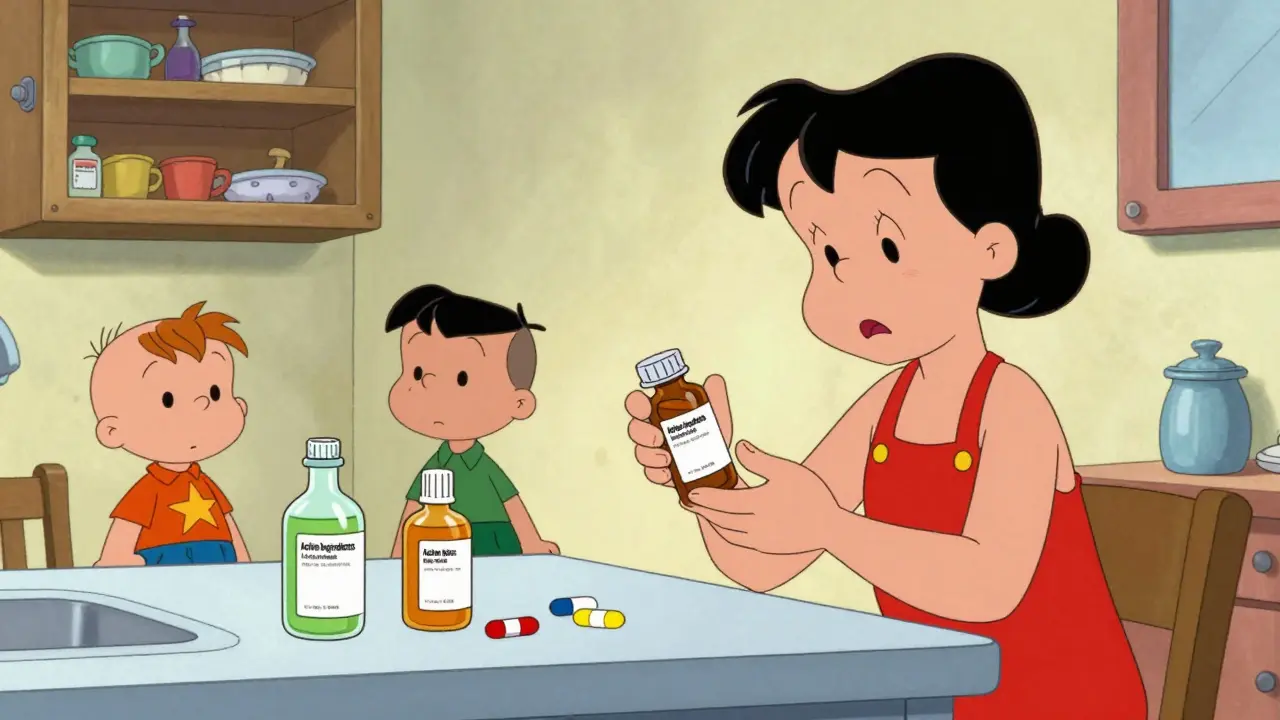
We rarely read labels when we are feeling lousy. We see "Cold and Flu Relief" and assume it covers everything. That is where mistakes happen. Many combination products overlap. You could be taking acetaminophen in your daytime pill and another dose in your evening capsule. Acetaminophen toxicity damages the liver silently.
Check the Drug Facts label every single time. Look at the "Active Ingredients" column. If you have a cold medicine with guaifenesin, check if your separate cough syrup also lists guaifenesin. If both bottles say yes, you are doubling the dose. This applies to antihistamines too. Excessive drowsiness from too much Benadryl-like ingredients increases fall risk, especially for seniors living alone.
Drug interactions extend beyond the cold bottle. Some antidepressants interact badly with decongestants. If you take medication for mood disorders, always ask a pharmacist before adding pseudoephedrine to your routine. Certain heart conditions also react poorly to stimulants found in these products. Monitoring blood pressure is crucial if you use nasal sprays frequently.
Better Ways to Soothe Your Symptoms
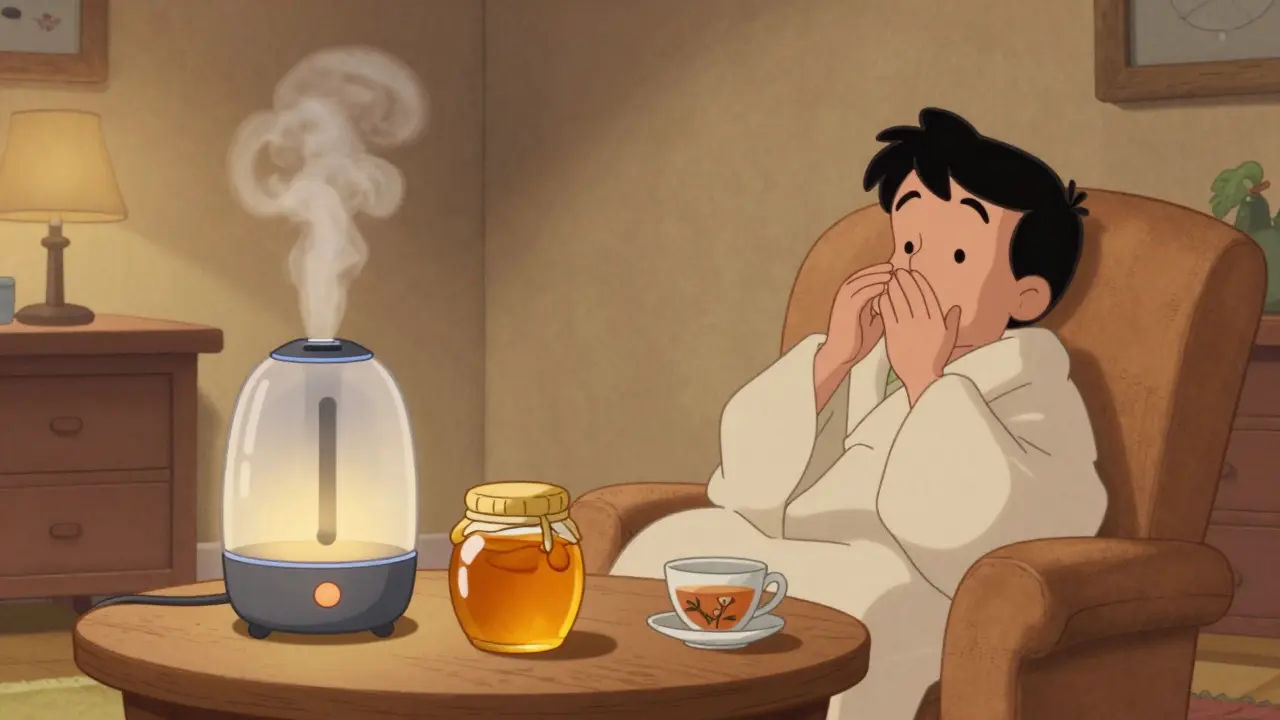
Since pills often underperform, what actually works? Humidified air keeps mucous membranes moist so they heal faster. A cool-mist vaporizer runs quietly through the night and reduces irritation. Drink warm fluids like broth or tea to stay hydrated; dehydration thickens mucus making it harder to cough up.
Nasal sprays offer a more direct route. Steroid sprays reduce inflammation locally without flooding your whole system. Saline rinses flush out viruses and allergens physically. These non-drug approaches have consistent support in medical literature. Honey, saltwater gargles, and steam inhalation form a powerful toolkit without the side effect baggage. It might take a day or two longer to feel normal, but you avoid chemical exposure entirely.
Reading the Fine Print on Safety
Every package must have a standardized label. Know what the abbreviations mean. "PE" often stands for phenylephrine. "DM" indicates dextromethorphan. "EX" marks expectorants. Seeing these codes helps you identify duplicates instantly.
Storage matters too. Keep these medicines out of sight. Bright colors attract curious kids. Accidental ingestion causes harm quickly. Always store meds in original containers, never in food tins or pill organizers that look harmless. Check expiration dates regularly. Expired drugs lose potency and might harbor bacteria in liquid forms.
Frequently Asked Questions
Is it safe to give adult cold medicine to teenagers?
Yes, teenagers can generally use adult formulations since their bodies metabolize drugs similarly to adults. However, teens should not share medication with younger siblings or mix multiple products containing the same ingredients to avoid overdosing.
Can I take cold medicine while pregnant?
Caution is required during pregnancy. Some ingredients cross the placenta barrier. Always consult your obstetrician before taking anything with decongestants or antihistamines. Physical remedies like saline sprays are safer defaults.
Why do some ingredients require ID purchase?
Pseudoephedrine allows illegal manufacture of methamphetamine. Laws limit daily purchase amounts and require tracking buyer identity to prevent theft or misuse. Other ingredients do not have this restriction unless they affect controlled substances laws.
Does honey really work for coughs?
Clinical studies show honey coats the throat and suppresses coughing similar to medicated lozenges. It is effective for adults and children over one year old. Never give honey to infants under 12 months due to botulism risk.
What happens if I accidentally take too much?
Symptoms include rapid heart rate, shaking, drowsiness, or confusion. Contact poison control immediately. Monitor vital signs. Most overdoses resolve if caught early, but liver damage from acetaminophen can be permanent without antidotes.
We spend billions yearly trying to fix simple respiratory bugs. It is worth pausing to choose methods backed by science rather than habit. Your health deserves better than trial and error.
Rod Farren
Phenylephrine has negligible oral bioavailability compared to pseudoephedrine due to first pass metabolism.
Cara Duncan
Wow your points about bioavailability are really clear thanks! 🙏
Sometimes I just see the label without understanding the chemistry behind the active ingredients.
💊 It helps to know why the pharmacy stocks certain items over others even if they dont work well.
🤔
Eleanor Black
It is truly disheartening to consider the widespread misinformation surrounding common household remedies and their efficacy rates within modern clinical standards. We must approach these discussions with a heightened sense of responsibility regarding patient safety and regulatory compliance measures. The implications of administering ineffective compounds to vulnerable populations cannot be overstated in our current healthcare landscape. Furthermore, pediatric guidelines have shifted significantly to prevent inadvertent harm through routine administration practices. Parents require accurate information rather than marketing driven suggestions from commercial entities selling over the counter medications. Children under six years old metabolize drugs differently than adult patients. Regulatory bodies have updated warnings based on historical adverse event data. Misunderstanding ingredient interactions can lead to severe toxicity events. Acetaminophen overdose remains a leading cause of acute liver failure in accidental cases. Families often layer multiple products thinking they provide faster relief without realizing the risk. Reading the Drug Facts panel is essential for avoiding dangerous duplication of active components. Natural alternatives like honey offer proven benefits without systemic side effects. Humidification strategies support the body’s natural healing processes significantly better than blockers. We should encourage medical professionals to educate patients on these specific risks during visits. Public awareness campaigns could drastically reduce hospitalizations related to cold medication misuse :)
Jenny Gardner
Absolutely! The data regarding phenylephrine is crucial!
Many people remain unaware of the FDA advisory updates released recently!
We need to advocate for clearer labeling standards immediately!
Safety must be the priority for everyone!
Cullen Zelenka
Good to know before grabbing something off the shelf next time.
Russel Sarong
How can we allow this?!?
The negligence here is staggering!!!
Why isn't this on every single bottle front facing the customer?!?!
It is absolutely terrifying considering children!!!
The risk assessment must change today!!!
Sharon Munger
checking the active ingredients list is key always read carefully dont assume overlap doesnt happen easily
Julian Soro
Keep a hydration station set up when feeling under the weather to help thin mucus naturally. Humidity levels matter more than we think when trying to recover quickly from respiratory symptoms.
James DeZego
Great tip about humidity! :)
I keep a humidifier running year round now for my kids.
Makes a huge difference in symptom management without chemicals 😄
Molly O'Donnell
Phenylephrine fails because absorption is too low.
Arun Kumar
In many cultures we rely heavily on home remedies like steam inhalation which avoids these chemical interactions entirely. It is often safer for young ones.
Rocky Pabillore
People really shouldn't be surprised that big pharma pushes products that barely function to clear inventory. You think we are supposed to trust everything on the shelf blindly?
Owen Barnes
Thier is somthing else to consder about drug interactons that people forget often. Medecine shelves are full of dupicate ingredients that cause liver issues fast. We shoudl be more carefull with dosage limits always.
Callie Bartley
Ugh why does fixing a cold have to involve reading a science degree instead of just swallowing a pill and feeling better later?
Christopher Beeson
The entire system is designed to monetize illness rather than cure the root cause effectively or efficiently. We are being sold placebo pills disguised as relief solutions by greedy corporations prioritizing profit margins above public health outcomes.