Walk into any pharmacy in the United States today, and you’ll likely see a pharmacist asking, "Do you want the generic version?" It’s such a routine question that we barely think about it. But this simple choice is the result of nearly two centuries of legal battles, tragic accidents, and massive regulatory shifts. Generic drugs are pharmaceutical products that contain the same active ingredients as brand-name drugs but cost significantly less. They aren't just cheaper copies; they are rigorously tested equivalents that form the backbone of modern American healthcare.
Understanding how we got here requires looking back at a time when there were no standards, no safety checks, and very little trust between patients and their medicine. The journey from unregulated powders to the highly regulated generic market of today is a story of public health crises forcing government action. If you’ve ever wondered why your prescription costs $4 instead of $400, or why the FDA gets involved in what looks like a simple chemical swap, the answer lies in this history.
The Early Days: No Rules, Just Trust (1820-1906)
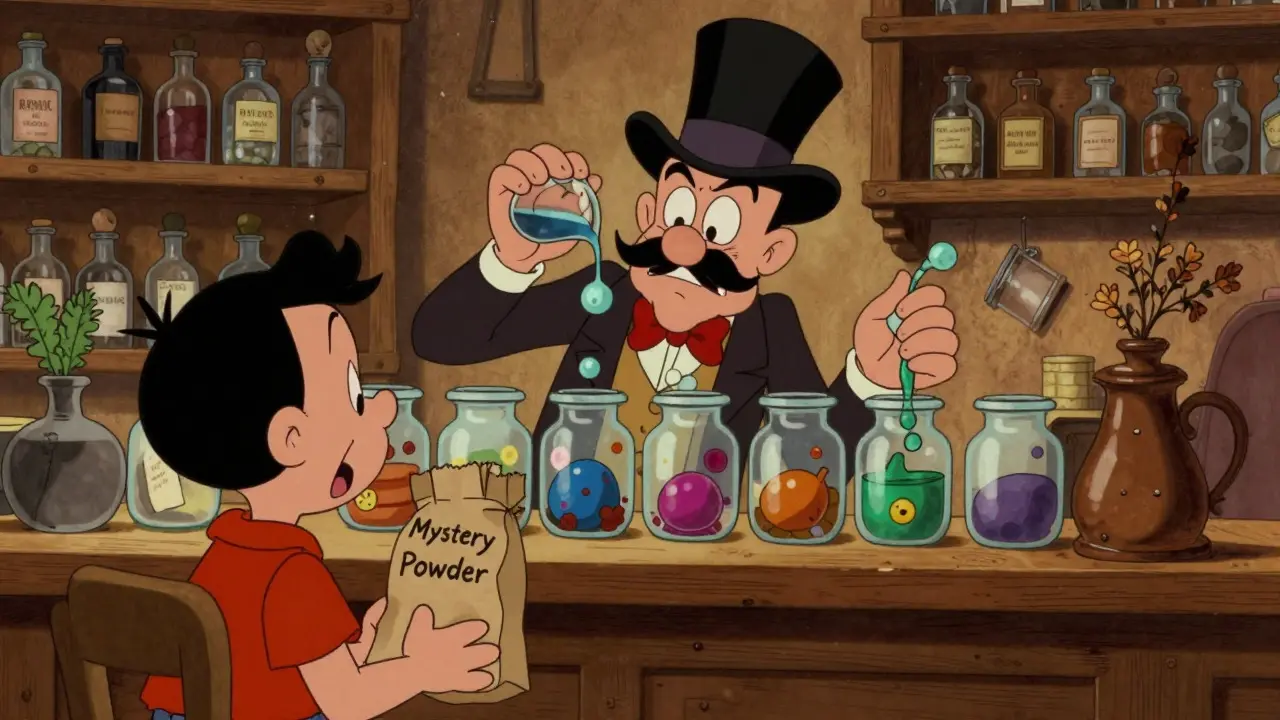
In the early 19th century, buying medicine was a gamble. There was no federal agency telling you if a pill was safe or effective. You had to trust the druggist-or hope he wasn’t trying to cheat you. This lack of oversight changed slowly. In 1820, eleven physicians met in Washington, D.C., to create the U.S. Pharmacopeia (USP). This was the first compendium of standard drugs, setting baseline quality expectations for ingredients. It was a voluntary effort by doctors who wanted better standards, not a law enforced by police.
By 1848, Congress passed the Drug Importation Act. This required the U.S. Customs Service to inspect imported drugs to stop adulterated products from entering the country. It was a start, but it only covered imports. Domestic manufacturers could still sell whatever they wanted. In 1888, the American Pharmaceutical Association (APhA) published the National Formulary to help prevent counterfeiting of branded products. These were early attempts to establish identity and purity, but without legal teeth, bad actors still thrived.
The turning point came in 1906. President Theodore Roosevelt signed the Federal Food and Drugs Act. This was the first legislation requiring product labeling to prevent misbranding and adulteration. For the first time, the government could take action against products causing substantial injury or death. This law laid the groundwork for what would eventually become the Food and Drug Administration (FDA), though it didn’t exist under that name yet. It marked the shift from voluntary standards to mandatory accountability.
Tragedy Drives Regulation: The 1938 FDCA
If the 1906 act was a step forward, the events of 1937 forced a giant leap. A company called S.E. Massengill & Co. marketed a liquid form of sulfanilamide, an antibiotic. To make it taste better, they dissolved the powder in diethylene glycol-a sweet-tasting liquid that happens to be deadly toxic. The result was the Elixir Sulfanilamide incident, which killed 107 people, mostly children.
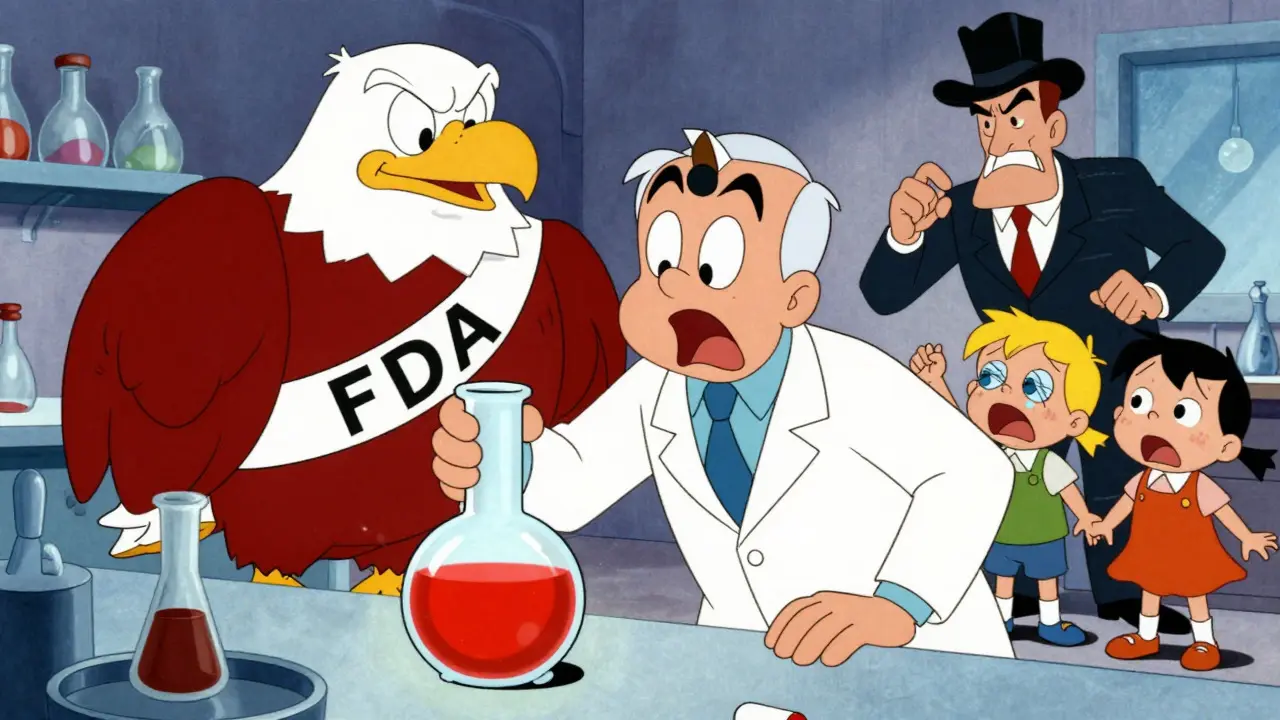
Public outrage was immediate. The existing laws didn’t require drugs to be proven safe before being sold; they only punished false labeling. This tragedy directly led to the 1938 Federal Food, Drug, and Cosmetic Act (FDCA). This landmark legislation required new drugs to be proven safe through manufacturer testing and FDA clearance before marketing. It also expanded the definition of "adulterated" to include drugs with insufficient purity. This was the birth of pre-market safety review, a cornerstone of modern pharmaceutical regulation.
Safety, Efficacy, and the Prescription System (1951-1962)
As medical science advanced, the line between over-the-counter remedies and serious medications blurred. In 1951, the Durham-Humphrey Amendment defined drugs requiring medical supervision. It restricted their sale to prescription-only status by licensed practitioners. This established the prescription/non-prescription classification system still used today. It ensured that powerful drugs stayed out of general store shelves and into the hands of professionals.
But safety wasn’t enough. In the late 1950s, the thalidomide scandal rocked the world. Thalidomide was prescribed for morning sickness but caused severe birth defects. Although it never reached the U.S. market in large numbers due to strict FDA scrutiny, it highlighted a critical gap: many drugs on the market were safe but not necessarily effective.
This led to the 1962 Kefauver-Harris Drug Amendments. For the first time, manufacturers had to prove both safety AND efficacy to the FDA before marketing. Crucially, it mandated that all products on the market between 1938 and 1962 submit efficacy data for evaluation. This meant thousands of old drugs had to be re-tested. Many failed and were pulled from the market. This rigorous standard set the bar high for any new entrant, including future generic competitors.
The Birth of Modern Generics: The Hatch-Waxman Act (1984)
Before 1984, generic drugs existed, but they were a niche market. Brand-name companies held patents that prevented competition for years. When patents expired, generics couldn’t easily enter the market because they had to repeat costly clinical trials to prove safety and efficacy-trials already done by the brand-name maker. This created a barrier to entry that kept prices high.
The solution was the Drug Price Competition and Patent Term Restoration Act of 1984, commonly known as the Hatch-Waxman Act. This legislation standardized procedures for recognizing generic drugs and created the modern regulatory pathway. It introduced the Abbreviated New Drug Application (ANDA) process. Instead of repeating clinical trials, generic manufacturers only needed to demonstrate bioequivalence-proving their drug worked the same way in the body as the brand-name version.
This act balanced competing interests. It encouraged generic competition to lower prices while providing patent term restoration for innovator drugs to offset time lost during FDA review. The impact was staggering. Before Hatch-Waxman, generic medicines constituted only 19% of all prescriptions dispensed in the U.S. Today, that figure exceeds 90%. It transformed the pharmaceutical landscape, making essential medications accessible to millions.
| Year | Legislation | Key Change | Impact on Generics |
|---|---|---|---|
| 1938 | Federal Food, Drug, and Cosmetic Act | Required proof of safety before marketing | Established baseline safety standards all drugs must meet |
| 1962 | Kefauver-Harris Amendments | Required proof of efficacy | Increased barriers to entry, delaying generic competition |
| 1984 | Hatch-Waxman Act | Created ANDA pathway for bioequivalence | Explosion in generic market share from 19% to >90% |
| 2019 | CREATES Act | Prevented brand blocking via restricted distribution | Removed artificial barriers to generic approval |
Modern Challenges: Shortages, Supply Chains, and Pricing
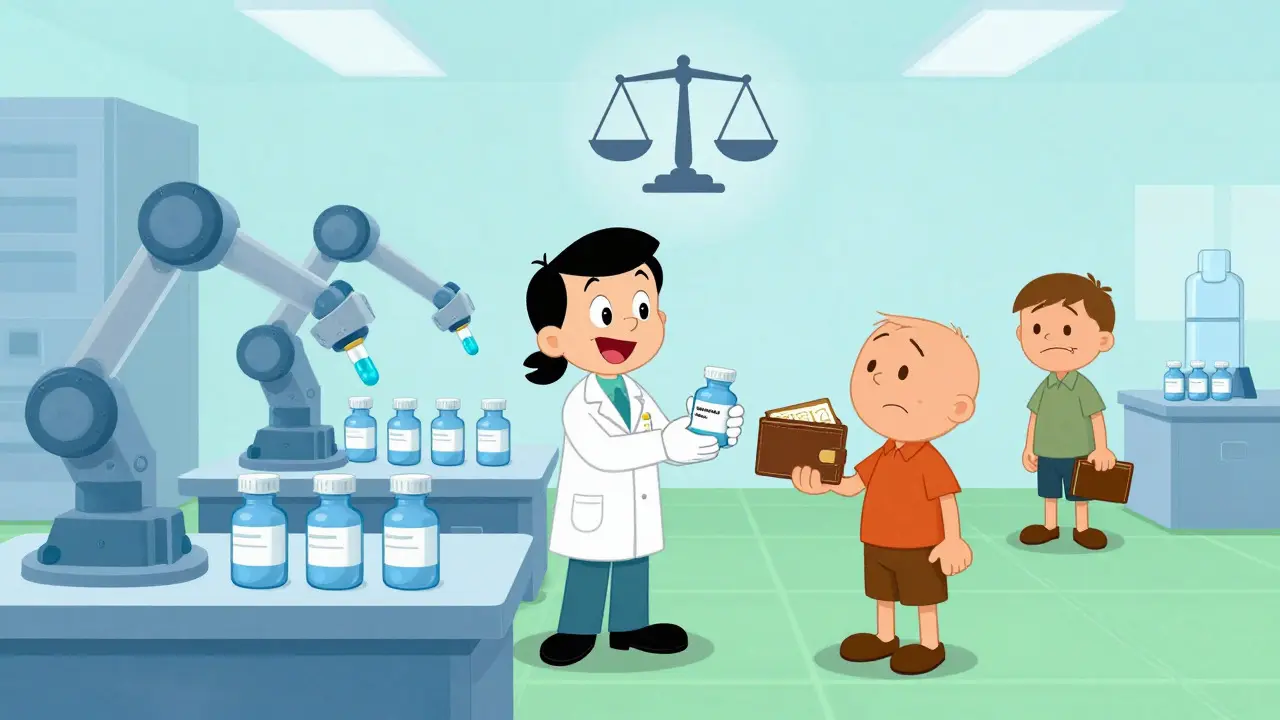
While the Hatch-Waxman framework has been largely successful, it isn’t perfect. In the mid-2010s, the industry faced significant challenges as major branded drugs lost patent protection simultaneously, creating "patent cliffs." While this should have lowered prices, some generic manufacturers raised prices dramatically. Industry experts note that prices for 15% of generic drugs increased by more than 100% between 2013 and 2017, despite overall declines. This volatility highlighted vulnerabilities in a market dominated by few suppliers.
Quality control and supply chain issues have also emerged. The FDA reported 1,234 drug shortages between 2018 and 2022, with 65% involving generic drugs. A major factor is global dependency. Approximately 80% of active pharmaceutical ingredient (API) facilities are located outside the United States, primarily in China and India. Disruptions in these regions can quickly lead to shortages of common medications like antibiotics and blood pressure pills.
To address efficiency, the FDA launched the Generic Initiative for Value and Efficiency (GIVE) in 2007 and later implemented the Generic Drug User Fee Amendments (GDUFA) in 2012. Since GDUFA, the agency reduced ANDA review times from 30 months to 10 months and increased approval rates from 45% to 95%. This streamlined process helps get generics to market faster, but it doesn’t solve supply chain fragility.
The Future: Biosimilars and Continued Evolution
As small-molecule generics mature, the next frontier is biosimilars. These are similar to biological products approved previously, such as insulin or cancer treatments. Unlike generic drugs, which are identical copies, biosimilars are highly similar but not exact duplicates due to the complex nature of biological manufacturing. Industry analysts project that generic drugs will maintain 90-92% market share through 2027, but biosimilars will increasingly compete in the high-cost biologic space.
Regulatory evolution continues. The 2019 CREATES Act aims to prevent brand-name manufacturers from blocking generic competition through restricted distribution practices. As of December 2022, the FDA took 27 enforcement actions under this law. These efforts ensure that the promise of affordable access remains intact.
The history of generic drugs in the U.S. is a testament to the power of regulation driven by public need. From the chaotic markets of the 1800s to the sophisticated, data-driven approvals of today, each step has been shaped by tragedy, innovation, and economic necessity. Understanding this history helps us appreciate the value of generics-not just as savings, but as a vital component of equitable healthcare.
What is the difference between a generic drug and a brand-name drug?
Generic drugs contain the same active ingredients, strength, dosage form, and route of administration as brand-name drugs. They must meet identical quality, purity, and potency standards. The main differences are usually the price, color, shape, or inactive ingredients (like fillers or dyes), which do not affect how the drug works in your body.
Why are generic drugs so much cheaper than brand-name drugs?
Brand-name companies spend billions on research, development, and clinical trials to bring a new drug to market. Generic manufacturers don’t have to repeat these costly trials. Under the Hatch-Waxman Act, they only need to prove bioequivalence. This saves them hundreds of millions of dollars, allowing them to offer the drug at a fraction of the original price.
When did the FDA start regulating generic drugs?
The regulatory foundation began with the 1938 FDCA, which required safety testing. However, the modern framework for approving generics was established by the Hatch-Waxman Act of 1984. This law created the Abbreviated New Drug Application (ANDA) process, allowing the FDA to approve generics based on bioequivalence rather than full clinical trials.
Are generic drugs as safe and effective as brand-name drugs?
Yes. The FDA requires generic drugs to be bioequivalent to their brand-name counterparts. This means they deliver the same amount of active ingredient into your bloodstream within a similar timeframe. Studies consistently show that generics perform identically to brand-name drugs in terms of safety and efficacy.
What causes generic drug shortages in the United States?
Shortages often stem from supply chain vulnerabilities. Most active pharmaceutical ingredients (APIs) are manufactured overseas, particularly in China and India. Issues like natural disasters, manufacturing problems, or geopolitical tensions can disrupt supply. Additionally, low profit margins for some generics mean fewer companies produce them, making the supply chain fragile.
What is the Hatch-Waxman Act?
The Hatch-Waxman Act, officially the Drug Price Competition and Patent Term Restoration Act of 1984, is the foundational law for the modern generic drug industry. It created a balance between encouraging generic competition (via the ANDA process) and protecting patent rights for innovator drugs. It is responsible for the dramatic increase in generic prescription use in the U.S.
How does the FDA ensure generic drug quality?
The FDA inspects manufacturing facilities worldwide, reviews detailed applications for every generic drug, and conducts post-market surveillance. Manufacturers must adhere to Current Good Manufacturing Practice (CGMP) regulations. The FDA also tests finished products to ensure they meet standards for identity, strength, quality, and purity.
What are biosimilars, and how do they differ from generics?
Biosimilars are similar to biological products approved previously, such as insulin or monoclonal antibodies. Unlike small-molecule generics, which are chemically identical copies, biosimilars are made from living cells and can have slight variations. They must be shown to be highly similar to the reference product with no clinically meaningful differences in safety, purity, or potency.