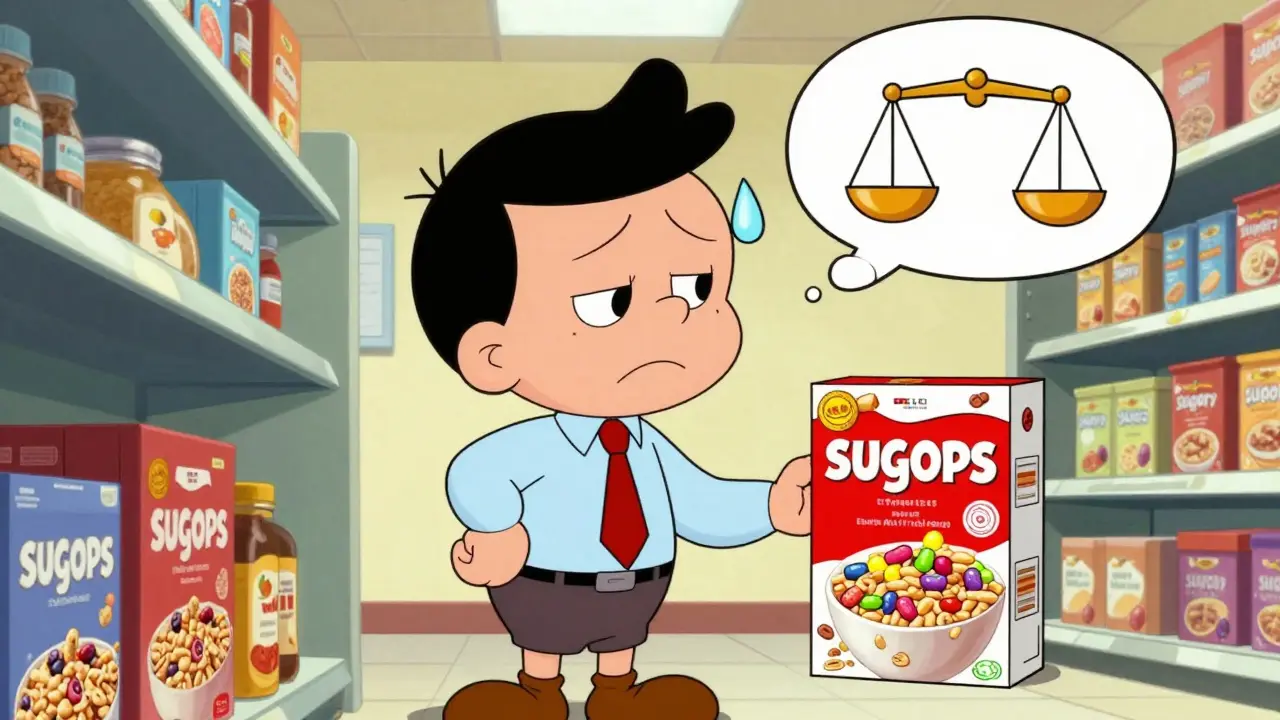
Imagine standing in the cereal aisle, staring at a box of sugary loops. You know you shouldn't buy them. You really want to lose weight this time. But your stomach growls, your willpower is low after a long workday, and suddenly, those loops are in your cart. This isn't just about being weak; it's about a lack of structure. According to the National Health Interview Survey, nearly 42% of adults trying to lose weight fail because they simply don't plan their meals. The good news? You can fix this with a simple piece of paper or a digital app. Meal planning isn't about restricting yourself into starvation; it's about making the healthy choice the easy choice.
When you plan your meals ahead of time, you stop relying on impulse. Studies published in the American Journal of Preventive Medicine show that people who plan their meals eat 150 to 200 fewer calories per day than those who wing it. That might sound small, but over a year, that deficit adds up to roughly 20 pounds of fat loss without ever stepping foot in a gym. It’s not magic; it’s math. And the best part is that you don’t need a nutrition degree to do it. You just need a template and a smart shopping list.
Why Your Willpower Fails (And How Templates Fix It)
We often blame ourselves when we derail our diet plans. We think we’re lazy or undisciplined. But behavioral psychology tells us something different. Decision fatigue is real. By the time evening hits, you’ve made hundreds of choices at work. Asking your brain to decide what’s healthy for dinner is like asking a tired runner to sprint a marathon. Meal planning templates are structured tools that remove the mental load of deciding what to eat each day. They act as a pre-commitment device. When you sit down on Sunday and write out your week, you’re making decisions while you have energy and clarity.
Think of a template as a skeleton for your week. It doesn’t force you to eat boring food; it forces you to think about balance. A good template ensures you hit your protein goals, get enough fiber, and keep calories in check. Without a template, you might accidentally skip breakfast, grab a heavy lunch, and then binge on snacks because you’re starving by 3 PM. With a template, you allocate calories strategically-say, 400 for breakfast, 500 for lunch, 600 for dinner, and 150 for snacks. This steady fuel keeps your metabolism humming and prevents the crash-and-burn cycle that ruins most diets.
The Anatomy of an Effective Meal Plan
Not all meal plans are created equal. Some are rigid grids that leave no room for life’s surprises. Others are vague suggestions that offer little guidance. An effective weight loss template usually includes five key components. First, it has a weekly calendar view so you can see your entire intake at a glance. Second, it breaks down meals into Breakfast, Lunch, Dinner, and Snacks. Third, it includes space for notes on preparation methods-like "grilled" instead of "fried." Fourth, it links directly to recipes or ingredient lists. Finally, and most importantly, it integrates with a shopping list that is a categorized inventory of groceries needed to execute the meal plan.
Let’s look at the numbers. Research from Nutrition.gov shows that 87% of successful templates organize grocery lists by store section. Why does this matter? Because efficiency saves money and reduces stress. If your list jumps from dairy to produce to frozen foods back to dairy, you’ll spend more time wandering aisles-and more time exposed to impulse buys. A well-organized list groups items logically: Produce first, then Meat/Poultry, then Dairy, then Pantry Staples. This structure cuts shopping time by an average of 12 minutes per trip, according to Consumer Reports. That’s nearly an hour saved every two weeks. Time you can spend doing anything else, including actually cooking the healthy meals you planned.
| Feature | Paper Templates | Digital Apps (e.g., Notion) | Government Resources (MyPlate) |
|---|---|---|---|
| Setup Time | Low (1.7 hours initial) | High (4.1 hours initial) | None (Pre-built) |
| Flexibility | Medium (Hard to edit) | High (Drag-and-drop) | Low (Fixed guidelines) |
| Cost | Free - $15 | Free - $13/month | Free |
| Best For | Visual learners, tactile users | Tech-savvy, data trackers | Beginners, budget-conscious |
| Avg. User Retention | 83% at 6 weeks | Variable | High for general health |
Step-by-Step: Building Your Weekly Plan
You don’t need to reinvent the wheel every Sunday. Follow this five-step process, validated by nutrition experts and thousands of users, to build a plan that sticks. Start with a pantry inventory. Open your cupboards and fridge. What do you already have? Maybe there’s half a jar of salsa, some chicken breasts nearing expiration, and a bag of spinach wilting in the crisper drawer. Using what you have saves money-the USDA estimates this alone can save you $28.50 a week. Plus, it reduces food waste, which is both ethical and economical.
Next, pick three anchor meals. These should be dishes you love and know how to cook quickly. Maybe it’s Tuesday night tacos, Thursday stir-fry, and Saturday morning eggs. Write these into your template first. Then, fill in the gaps. If you have tacos on Tuesday, what’s left over? Tacos make great leftovers for Wednesday lunch. This "cook once, eat twice" strategy halves your cooking workload. Now, assign calories. Aim for that 400-500-600 split mentioned earlier. If your taco bowl is 600 calories, ensure your breakfast and lunch are lighter to stay within your daily target. Don’t forget snacks. Many people abandon plans because they feel deprived. Schedule a 150-calorie snack like Greek yogurt or an apple with almond butter. It’s not cheating; it’s strategy.
Once your meals are set, generate your shopping list. Go through each recipe and list every ingredient. Then, categorize them. Put all vegetables under "Produce," all meats under "Meat," and so on. Check off items you already have from your pantry inventory. This final step is crucial. If you skip the categorization, you’ll end up buying duplicates or forgetting staples like olive oil. Keep this list on your phone or print it out. When you hit the store, stick to the list. No deviations. This discipline is where the weight loss happens-not in the kitchen, but in the supermarket aisle.
Choosing the Right Tool: Digital vs. Paper
Should you use a fancy app or a simple notebook? The answer depends on your personality. If you love data and syncing across devices, digital tools like Notion or specialized apps like Lose It! are powerful. Notion’s meal planning template, for instance, allows you to create databases of recipes and auto-generate shopping lists. It’s flexible and scalable. However, it has a learning curve. Setting it up takes about four hours, and if you’re not tech-savvy, you might quit before you even buy groceries.
On the other hand, paper templates have seen a resurgence. Brands like 101Planners offer printable booklets that take less than two hours to set up. Users report higher retention rates with paper because it’s tangible. You can pin it to the fridge, draw on it, and cross things off with satisfaction. There’s also no battery life to worry about. For many, the physical act of writing down meals reinforces commitment. If you’re unsure, start with a free resource like MyPlate.gov. They offer evidence-based Mediterranean diet templates that are completely free. Once you find a rhythm, you can upgrade to paid options like Plant Based With Amy’s detailed plans if you need more specific calorie tracking or dietary adaptations.
Common Pitfalls and How to Avoid Them
Even the best plans fail if you ignore reality. One major pitfall is rigidity. Life happens. You might get stuck late at work, or a friend invites you to dinner. If your template says "Eat grilled chicken at 6 PM" and you miss that window, don’t throw the whole day away. Build flexibility into your plan. Designate one or two "flex meals" per week where you can eat out or order takeout. Just estimate the calories and adjust your next day’s portions accordingly. Dr. Yoni Freedhoff warns that overly restrictive templates cause 68% of dieters to quit within eight weeks. Flexibility keeps you in the game.
Another mistake is ignoring cravings. Instead of fighting them, plan for them. If you know you crave chocolate on Friday nights, include a square of dark chocolate in your snack slot. This satisfies the urge without derailing your progress. Also, watch out for portion creep. Even healthy foods can lead to weight gain if you eat too much. Use measuring cups or a food scale initially to learn what 400 calories of rice looks like. Over time, you’ll develop an eye for portions. Finally, don’t underestimate the power of hydration. Sometimes thirst masks itself as hunger. Drink a glass of water before every meal. It helps with digestion and keeps you fuller longer.
Making It Stick: Long-Term Success
Weight loss isn’t a sprint; it’s a lifestyle change. The goal isn’t to meal plan until you reach your target weight and then stop. The goal is to make meal planning a habit, like brushing your teeth. As you get better at it, it becomes faster and easier. You’ll develop go-to recipes, you’ll know exactly how much milk you need for the week, and you’ll stop seeing the grocery store as a minefield. Remember, the 200-calorie daily deficit compounds. Small, consistent actions lead to massive results. Stay patient, stay flexible, and trust the process. Your future self will thank you.
How many calories should I aim for in a meal plan?
It depends on your age, gender, activity level, and weight loss goals. Generally, women aiming for weight loss target 1,200-1,500 calories per day, while men target 1,500-1,800. A common breakdown is 400 calories for breakfast, 500 for lunch, 600 for dinner, and 150-200 for snacks. Always consult a healthcare provider before starting a strict calorie-restricted plan.
Do I need to track macros (protein, carbs, fats)?
For general weight loss, tracking total calories is often sufficient. However, ensuring adequate protein intake (around 0.7-1 gram per pound of body weight) helps preserve muscle mass and keeps you full. Most balanced meal templates naturally provide a good macro split if you include lean proteins, whole grains, and vegetables in every meal.
What is the best way to organize my shopping list?
Organize your list by store sections: Produce, Meat/Poultry, Dairy, Bakery, Frozen, and Pantry/Dry Goods. This minimizes backtracking in the store, saves time, and reduces impulse purchases. Many digital templates auto-categorize items, but if using paper, create headers for each section before you start adding items.
Can meal planning help with food allergies or restrictions?
Yes, absolutely. Meal planning is essential for managing allergies. By choosing recipes that fit your needs (gluten-free, vegan, nut-free, etc.) and sticking to a specific shopping list, you avoid accidental exposure. Look for templates that allow customization or focus on specific dietary patterns like Mediterranean or plant-based diets.
How often should I update my meal plan?
Weekly planning is the standard approach. Spend 30-60 minutes on Sunday reviewing your schedule, checking your pantry, and creating your list. However, review your plan daily to adjust for changes in your schedule or appetite. Flexibility is key to long-term adherence.
Brian Irwin
man i really needed to hear this today because my willpower is basically non-existent after work so the idea of just having a template ready goes such a long way for me honestly
i used to think meal planning was too rigid but reading about decision fatigue makes so much sense now its not that im lazy its just that my brain is fried by 6pm
going to try the pantry inventory step first since throwing away food feels like throwing money out the window and saving even $28 a week adds up fast
Rosy Centire
Let us be absolutely clear here: the data does not lie, and neither should your grocery list. The American Journal of Preventive Medicine study cited in the post is not merely a suggestion; it is a scientific imperative for anyone serious about metabolic health.
You cannot rely on impulse control when your biology is screaming for dopamine from sugary cereals. Structure is freedom. If you are still winging it, you are actively choosing failure. Organize your list by store section as the article states-Produce, Meat, Dairy-and stop wandering aimlessly through aisles designed to exploit your weaknesses. Efficiency is not optional; it is the cornerstone of sustainable weight loss. Do better.
William Storm
Oh, how quaint. Another article reducing the complex, multifaceted human experience of nourishment to a mere spreadsheet exercise. One might almost believe that the existential dread of standing in the cereal aisle can be solved with a piece of paper or, heaven forbid, a digital app.
The author speaks of 'decision fatigue' as if it were a novel concept, ignoring the broader societal structures that commodify our very hunger. To suggest that we simply 'allocate calories strategically' is to ignore the profound philosophical implications of what it means to eat in a capitalist society. Are we truly free if we must pre-commit to our dinner choices on a Sunday evening? I suppose for some, the tyranny of choice is best escaped by submitting to the tyranny of the template. How... efficient.
Wendy Engelmann
i just sit back and watch people stress over templates when they could just eat something simple
the whole point of eating is fuel and enjoyment not turning your kitchen into a corporate office with spreadsheets and deadlines
but hey if writing things down helps you feel less anxious then go for it i guess everyone needs their own little coping mechanism
Lisa Thomas
OMG yes!!
I literally screamed when I read the part about organizing the shopping list by store section because I have been doing it backwards for YEARS and wondering why I spend forever at the grocery store 😭
It’s so crazy how something so small changes everything. I’m going to print this out right now and stick it on my fridge! Thank you for this!! ✨
Nicholas Bowling
this is all well and good until life happens which it always does and then your perfect little plan falls apart and you feel like a total failure
why do we need more rules to make us feel guilty about eating?
i just want to eat what i want without feeling like i'm failing at some arbitrary game created by nutrition experts who probably never had to work a real job
Jay Foreman
Look, I get the appeal of structure, but let's not pretend that meal planning is a moral virtue. It’s just logistics. However, I will say that the 'cook once, eat twice' strategy is undeniably smart for anyone who values their time.
That said, don't come crying to me when your 'flex meals' turn into flex binges because you're too restrictive during the week. Balance is key, folks. And if you’re spending four hours setting up a Notion database, maybe you have bigger problems than your lunch menu. Keep it simple.
Cathy N
i appreciate the emphasis on flexibility because rigidity is exactly what causes me to quit every time
knowing i can have a takeout night without ruining everything takes so much pressure off
also the tip about drinking water before meals is something i totally forgot about thanks for reminding me
Adelaide Motata
honestly most people here dont know what theyre talking about
you dont need fancy apps or templates you just need discipline which clearly none of you have
i stopped counting calories years ago and just listen to my body unlike these amateurs trying to hack their way to thinness with spreadsheets lol
Mike Crump
G'day mates! I’ve been using a mix of paper and digital tools for ages, and let me tell you, the 'anchor meal' concept is an absolute game-changer.
Picking three dishes you genuinely love and rotating them keeps things exciting without the mental load of inventing new recipes daily. I usually do a big batch of chili on Sundays and use it for lunches throughout the week. It’s cozy, it’s cheap, and it saves me from ordering expensive UberEats when I’m knackered after work.
Don’t be afraid to tweak it! If you hate cooking on Thursdays, swap that anchor meal for something frozen or easy. It’s about working with your life, not against it. Cheers!