Antibiotic Stewardship Risk Checker
This tool helps you understand if an antibiotic prescription might be necessary or inappropriate, highlighting potential side effect risks based on current medical guidelines.
Assessment Result
Potential Side Effect Risks
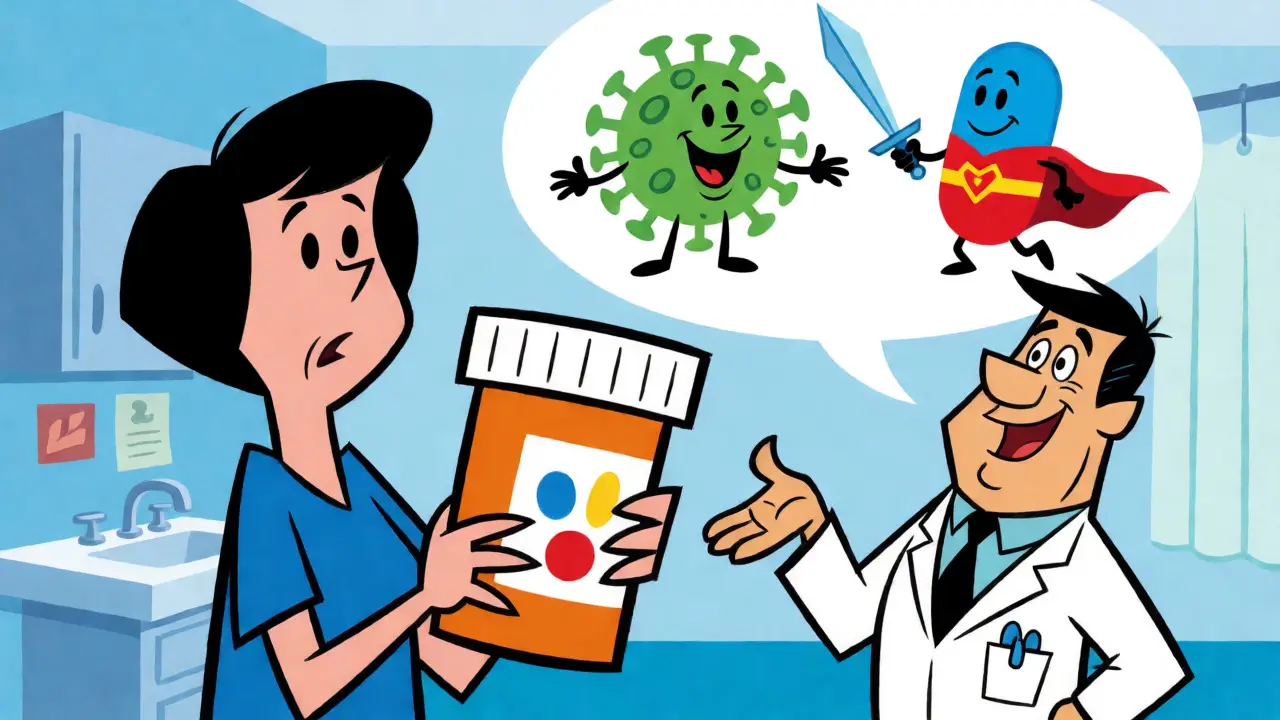
You’ve probably been there. You walk into a clinic with a nagging cough or a sore throat, and the doctor hands you a prescription for antibiotics. It feels like the right move-take the pills, get better, go home. But here’s the uncomfortable truth: up to 30% of antibiotics prescribed in outpatient settings are unnecessary or inappropriate. That means nearly one in three prescriptions might not just be useless; they could actually make you feel worse.
This isn’t just about wasting money or dealing with a mild upset stomach. Inappropriate antibiotic use is a primary driver of serious side effects, from life-threatening gut infections to long-term resistance that makes future illnesses harder to treat. This is where Antibiotic Stewardship comes in. Defined by the CDC as the effort to measure and improve how antibiotics are prescribed and used, stewardship is the safety net that ensures you get the right drug, at the right time, for the right bug, without suffering preventable harm.
The Hidden Cost of "Just in Case" Prescribing
Why do we prescribe antibiotics when we don’t need them? Often, it’s fear. A patient wants relief, a provider wants to avoid a return visit, or there’s diagnostic uncertainty. But antibiotics aren’t harmless sugar pills. They are powerful agents that disrupt your body’s delicate ecosystem. When you take an antibiotic for a viral infection like the flu, you aren’t killing the virus. Instead, you’re wiping out beneficial bacteria in your gut and on your skin.
This disruption creates an opening for opportunistic pathogens. The most notorious example is Clostridioides difficile, commonly known as C. diff. This bacterium can cause severe diarrhea and colitis, leading to hospitalization or even death. Research shows that inappropriate antibiotic use increases the risk of C. diff infection by seven to ten times compared to appropriate use. If you’ve ever had a course of antibiotics leave you feeling bloated, nauseous, or anxious about bathroom habits, you’ve experienced the immediate side effects of poor stewardship.
What Is Antibiotic Stewardship Really Doing?
Stewardship isn’t about denying patients treatment. It’s about precision. Think of it like using a sniper rifle instead of a shotgun. A shotgun (broad-spectrum antibiotics) kills everything in its path, including good bacteria. A sniper targets only the enemy. Effective stewardship programs focus on four critical decisions:
- Initiation: Does this patient actually need an antibiotic?
- Selection: Is this the narrowest effective drug for this specific bug?
- Dosing: Are we giving enough to kill the bacteria but not so much that it causes toxicity?
- Duration: Can we stop the medication sooner than usual without risking relapse?
When these steps are followed, side effects drop dramatically. For instance, narrowing therapy based on lab results can reduce exposure to broad-spectrum drugs that are more likely to cause kidney damage or allergic reactions. Shortening treatment courses reduces the window of opportunity for resistant bacteria to take hold.
Real-World Impact: Reducing Adverse Events
The numbers speak for themselves. Hospitals that implement robust stewardship programs see measurable improvements in patient safety. According to data from the Pew Charitable Trusts, effective stewardship interventions have reduced adverse drug events by over 21% in hospital settings. These aren’t abstract statistics; they represent real people avoiding IV line infections, allergic rashes, and gastrointestinal distress.
Consider the Nebraska Medicine Antimicrobial Stewardship Program. By focusing on outpatient parenteral antimicrobial therapy (OPAT)-where patients receive IV antibiotics at home rather than staying in the hospital-they saw a 32% reduction in C. diff rates. Why? Because fewer days in the hospital mean less exposure to resistant bugs, and targeted therapy means less collateral damage to the patient’s microbiome.
In intensive care units (ICUs), where 50-70% of all hospital antibiotic use occurs, stewardship is even more critical. Dr. Rachel G. Wunderink, a leading voice in ICU medicine, notes that fear of missing a hidden pathogen often drives doctors to prescribe excessively broad-spectrum therapies. This "just in case" approach directly contributes to higher rates of side effects. Stewardship teams challenge this fear with data, showing that early de-escalation (switching from broad to narrow drugs once test results come back) maintains clinical outcomes while cutting side effect risks.

Beyond the Gut: Systemic Side Effects
We often think of antibiotics causing stomach issues, but their impact is systemic. Different classes of antibiotics carry different risk profiles. Fluoroquinolones, for example, are linked to tendon rupture and nerve damage. Aminoglycosides can affect hearing and kidney function. Beta-lactams, while generally safe, can cause significant allergic reactions in susceptible individuals.
Appropriate use minimizes these risks by ensuring patients aren’t exposed to high-risk drugs when safer alternatives exist. For a simple urinary tract infection, nitrofurantoin might be preferred over a fluoroquinolone, sparing the patient potential tendon issues. For community-acquired pneumonia, choosing amoxicillin over azithromycin when appropriate can reduce cardiac side effect risks in certain populations.
| Antibiotic Class | Primary Side Effect Risk | Stewardship Strategy |
|---|---|---|
| Fluoroquinolones | Tendon rupture, nerve damage, QT prolongation | Avoid for uncomplicated UTIs; reserve for resistant infections |
| Clindamycin | High risk of C. diff infection | Use only when beta-lactams cannot be used; monitor closely |
| Aminoglycosides | Kidney toxicity, hearing loss | Limit duration; monitor blood levels strictly |
| Broad-Spectrum Cephalosporins | Gut flora disruption, secondary fungal infections | De-escalate to narrower spectrum once culture results are available |
The Role of Diagnostics in Preventing Harm
You can’t manage what you can’t measure. Modern stewardship relies heavily on diagnostic tools to prevent unnecessary exposure. Biomarkers like procalcitonin help distinguish between bacterial and viral infections. Studies show that using procalcitonin-guided protocols can reduce antibiotic duration by 1.6 to 3.5 days without compromising patient recovery. Fewer days on antibiotics equals fewer side effects.
Rapid molecular testing is another game-changer. Traditional cultures take 48-72 hours to identify bacteria. Rapid tests can pinpoint the pathogen in hours. This speed allows providers to switch from broad-spectrum empirical therapy to targeted narrow-spectrum drugs much faster. A 2022 study showed that molecular testing reduced antibiotic duration by 2.1 days for pneumonia patients, directly lowering the burden of side effects.

How Patients Can Participate in Stewardship
Stewardship isn’t just for pharmacists and infectious disease doctors. As a patient, you play a crucial role. Here’s how you can protect yourself from unnecessary side effects:
- Ask the Right Questions: When offered antibiotics, ask, "Do I really need this? Could this be viral? What are the side effects?"
- Don’t Demand Antibiotics: If your provider says rest and fluids are best for your cold, trust them. Pushing for meds often leads to unwanted side effects.
- Complete the Course (Unless Told Otherwise): While shorter courses are becoming standard, stopping early against medical advice can lead to relapse and resistance. Follow the specific duration prescribed.
- Report Side Effects: If you develop a rash, severe diarrhea, or unusual pain, contact your provider immediately. Early detection prevents complications.
The Future: AI and Personalized Stewardship
We are moving toward a future where stewardship is powered by artificial intelligence. Algorithms can analyze patient history, local resistance patterns, and lab results in real-time to suggest the optimal antibiotic regimen. This reduces human error and cognitive bias, such as the tendency to over-prescribe in emergency departments.
Moreover, personalized medicine is gaining traction. Genetic testing may soon predict who is at higher risk for severe side effects from specific antibiotics. Imagine knowing before you take a pill that you are genetically predisposed to a severe reaction to sulfa drugs. That level of precision is the ultimate goal of modern stewardship: zero unnecessary harm.
Why are antibiotics bad if they kill bacteria?
Antibiotics are non-selective killers. They don't just target the harmful bacteria causing your illness; they also wipe out beneficial bacteria that aid digestion, boost immunity, and keep harmful fungi in check. This disruption causes side effects like diarrhea, yeast infections, and increased susceptibility to other infections like C. diff.
Can I stop taking antibiotics once I feel better?
Not always. While newer guidelines support shorter courses for many conditions, stopping prematurely can allow surviving bacteria to multiply and potentially develop resistance. Always follow the specific duration recommended by your provider, which is often determined by stewardship protocols designed to balance efficacy with side effect risk.
What is the biggest side effect of unnecessary antibiotic use?
The most dangerous consequence is Clostridioides difficile (C. diff) infection. Unnecessary antibiotics disrupt the gut microbiome, allowing C. diff spores to germinate and produce toxins that cause severe, sometimes fatal, inflammation of the colon. Inappropriate use increases this risk by 7-10 times.
Are natural remedies safer than antibiotics?
For viral infections like colds and flu, yes, because antibiotics don't work on viruses anyway. However, for confirmed bacterial infections, antibiotics are often necessary to prevent serious complications. The key is appropriateness: using antibiotics only when needed, not replacing them entirely with unproven supplements for serious bacterial illnesses.
How does antibiotic stewardship save money?
By reducing unnecessary prescriptions, preventing expensive side-effect treatments (like hospitalizations for C. diff), and shortening hospital stays through optimized dosing. The Pew Charitable Trusts reports that stewardship programs save healthcare systems millions annually by improving efficiency and reducing adverse events.
Stuart Lorne
the article is decent but you missed the point about how doctors are just trying to get paid faster and stop patients from complaining so they dont waste time
also the stats on c diff are exaggerated because most people have weak guts anyway
Marc-David Mayer
This is such a great reminder! 🌟 We really need to trust our bodies more and not rush for meds. I'm glad this info is out there 💪😊
kishhore kumar
wait does this mean i should stop taking amoxycillin when my throat hurts? or is it only for flu? also what about probiotics do they help undo the damage?? 😳🤔
Stephen Horn
The narrative presented here is fundamentally flawed in its omission of the corporate pharmaceutical incentive structure that drives over-prescription, suggesting that individual provider error is the primary culprit rather than systemic profit motives embedded within the healthcare industrial complex which actively discourages diagnostic precision in favor of rapid turnover metrics.
Furthermore, the reliance on biomarkers like procalcitonin introduces another layer of technological dependency that may inadvertently marginalize clinical intuition and patient-specific contextual factors that algorithms cannot fully replicate or appreciate in their current state of development.
hareesh kumar
omg finally someone says it!! i knew it was all a scam by big pharma to make us buy more pills!!! they hide the truth about how antibiotics actually weaken your immune system long term so you keep coming back for more!!! the gov doesnt want you to know this!!! its all controlled chaos!!! 😱😡📉
Kimberly Thomas
Your analysis lacks depth regarding socioeconomic disparities in access to diagnostics. Not everyone can afford molecular testing or even see a specialist who follows stewardship protocols strictly. You assume a universal standard of care that doesn't exist in rural areas or lower-income brackets where 'just in case' prescribing is often a survival mechanism due to lack of follow-up options.
Vivek Chaturvedi
people are lazy and want magic pills instead of rest
that is why resistance is rising
simple as that
Tobi Oyewole
I appreciate the balanced perspective offered here. It is crucial to recognize that while antibiotic stewardship is vital, we must also respect the autonomy of patients and providers in making informed decisions based on their unique circumstances. The fear of missing a bacterial infection is real and valid for many individuals, particularly those with compromised immune systems or limited access to emergency care. Therefore, education and open dialogue between patient and provider remain the cornerstone of effective stewardship, rather than rigid adherence to protocols without context.
Venkatesan V.K.
It's honestly exhausting reading these articles that pretend the solution is simple when the reality is messy and emotional. Patients are scared, doctors are rushed, and the system is broken. Saying "just ask questions" ignores the power dynamic where questioning a doctor feels disrespectful or risky. It's not about logic; it's about anxiety and trust, and this post glosses over that human element entirely.
Anderson Miller
Well... isn't it fascinating how we've managed to turn medicine into a game of Russian roulette with our gut flora??? 😏
We act surprised when things go wrong, yet we treat antibiotics like candy at Halloween. Maybe if we stopped treating every sniffle like a plague, we wouldn't be creating superbugs that laugh at our modern science. But hey, who needs common sense when you have a prescription pad, right?
larry williams
I want to encourage everyone to take heart in this information because understanding the risks is the first step toward empowerment and better health outcomes for ourselves and our families. While the statistics about unnecessary prescriptions can feel overwhelming, remember that every small conversation with your healthcare provider about whether an antibiotic is truly needed contributes to a larger culture of care and safety that benefits everyone in the long run. It is not about denying treatment but about seeking the most precise and gentle approach possible, which ultimately honors the complexity of our biological systems and protects our future ability to fight infections effectively.
By embracing this mindset, we move away from reactive panic and toward proactive wellness, allowing our bodies the chance to heal naturally when appropriate while reserving powerful medications for times when they are absolutely essential. This shift in perspective can reduce anxiety around illness and foster a deeper partnership with medical professionals, leading to fewer side effects and a stronger, more resilient community overall.