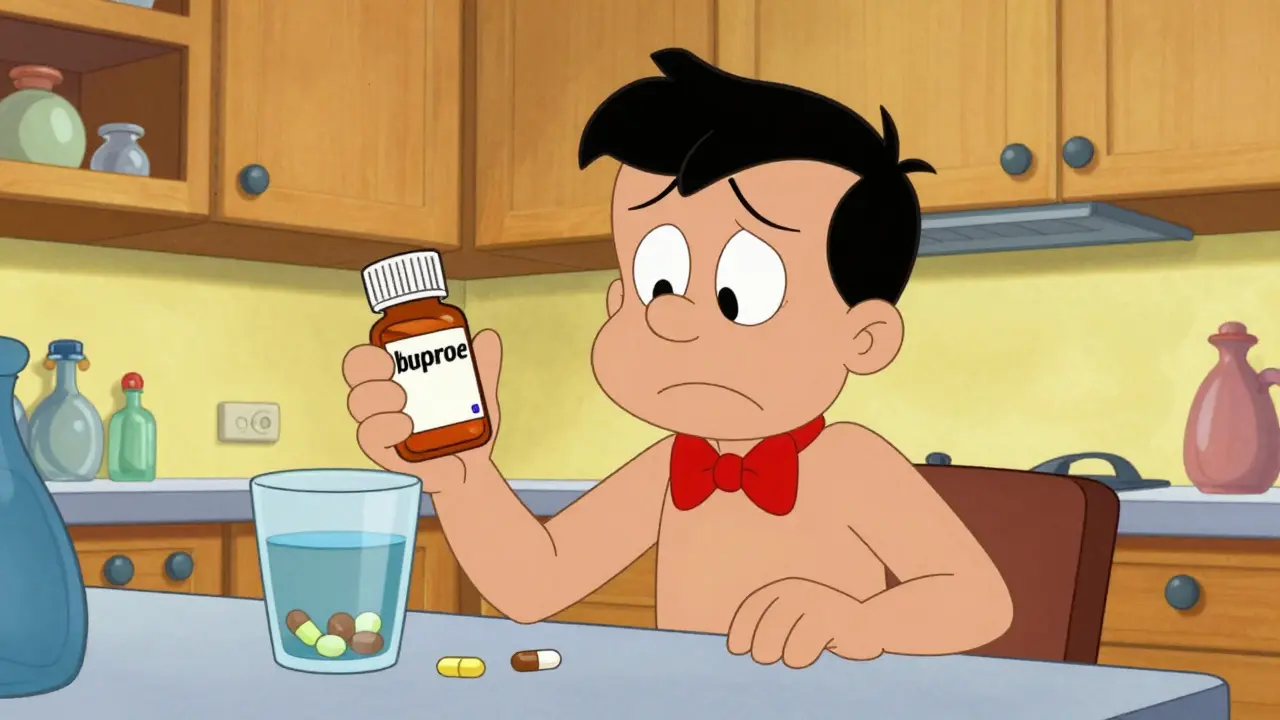
You grab a bottle of ibuprofen for that nagging headache, completely forgetting you just took your morning blood thinner. It’s a scenario that plays out in pharmacies and emergency rooms far too often. We tend to treat over-the-counter (OTC) medications as harmless because we don’t need a doctor’s permission to buy them. But that lack of a prescription doesn’t mean they are safe to mix with everything else in your medicine cabinet.
The reality is stark: approximately 80% of adults use at least one OTC medication every year. When you combine those with prescription drugs, the risk of adverse reactions skyrockets. These interactions can make your prescribed medication less effective, trigger unexpected side effects, or even lead to life-threatening complications like internal bleeding or liver failure. You don’t need to be a pharmacist to understand this, but you do need to know exactly what to check before popping that next pill.
The Hidden Danger of 'Medication Overlap'
One of the most common and dangerous mistakes people make isn't mixing two different drugs-it's taking two different products that contain the exact same active ingredient. This is known as medication overlap. The biggest culprit here is acetaminophen, also known by brand names like Tylenol.
Acetaminophen is found in standalone pain relievers, but it’s also hiding in dozens of multi-symptom cold and flu remedies, sleep aids, and even some prescription combination drugs. The maximum safe daily dose for most adults is 4,000 milligrams. However, many patients unknowingly exceed this limit by combining a cold syrup with separate pain tablets. Exceeding this threshold can cause acute liver failure, a condition that requires immediate hospitalization and can be fatal. Always read the "Active Ingredients" label on every box, not just the front marketing copy.
High-Risk Combinations: NSAIDs and Blood Thinners
If you take anticoagulants or antiplatelet drugs, you need to be extremely cautious with NSAIDs (nonsteroidal anti-inflammatory drugs). This class includes ibuprofen (Advil, Motrin), naproxen (Aleve), and aspirin. These drugs work by inhibiting platelets, which helps prevent blood clots-but it also increases your risk of bleeding.
When you combine an NSAID with a prescription blood thinner like warfarin, the risk of gastrointestinal bleeding increases by 2 to 4 times. For cardiac patients who take low-dose aspirin daily to prevent heart attacks, taking ibuprofen regularly can actually block aspirin’s protective effect. If you must take both, doctors often recommend spacing them out or using acetaminophen instead, but only if your liver health allows it. Never assume a painkiller is safe just because it’s available at the grocery store.
| Prescription Drug Class | Risky OTC Medication | Potential Consequence |
|---|---|---|
| Anticoagulants (e.g., Warfarin) | NSAIDs (Ibuprofen, Naproxen) | Severe gastrointestinal bleeding |
| SSRIs (Antidepressants) | NSAIDs | 3-10x increased risk of stomach bleeding |
| Blood Pressure Meds (ACE Inhibitors) | NSAIDs | Elevated blood pressure, reduced kidney function |
| Digoxin (Heart Failure) | Antacids (Aluminum/Magnesium) | Reduced absorption of heart medication |
| Clopidogrel (Blood Thinner) | Omeprazole (PPI) | Reduced effectiveness of blood thinner |
How Antacids and Digestion Affect Heart and Thyroid Drugs
Your digestive system is a gateway for most medications, and changing its chemistry can drastically alter how drugs are absorbed. Antacids containing aluminum or magnesium-commonly used for heartburn or indigestion-can bind to certain prescription drugs in the stomach, preventing them from entering your bloodstream.
For example, antacids can reduce the absorption of digoxin, a critical medication for heart disease patients, by up to 25%. Similarly, proton pump inhibitors (PPIs) like omeprazole (Prilosec), often used for chronic acid reflux, can interfere with thyroid medications like levothyroxine. If your thyroid levels are unstable, switching to or adding an OTC acid reducer might be the hidden cause. Always separate these doses by at least two hours, or better yet, ask your pharmacist for a safer alternative.
The Serotonin Syndrome Risk: Antidepressants and Cold Meds
This is a lesser-known but potentially deadly interaction. Selective serotonin reuptake inhibitors (SSRIs), such as sertraline or fluoxetine, increase serotonin levels in your brain to help manage depression or anxiety. Some OTC cough suppressants, specifically those containing dextromethorphan, also affect serotonin pathways.
Combining an SSRI with dextromethorphan can lead to serotonin syndrome, a condition characterized by agitation, high fever, rapid heart rate, and muscle rigidity. In severe cases, it can be fatal. Other OTC ingredients to watch for include triptans for migraines and certain herbal supplements like St. John’s Wort. If you are on antidepressant therapy, always check the active ingredients of any cold or cough remedy before taking it.
Why Your Pharmacist Is Your Best Safety Net
Studies show that 67% of patients do not inform their doctors about their OTC medication use. This creates a dangerous blind spot in your healthcare record. Electronic health records often fail to capture OTC usage because patients simply don’t report it. As a result, potential interactions go unchecked until symptoms appear.
The best defense is proactive communication. Keep a comprehensive list of all medications you take, including prescriptions, OTC drugs, vitamins, and herbal supplements. Include the active ingredients and the reason you take each one. Share this list with every healthcare provider you see. Pharmacists are trained to spot these interactions instantly. Many pharmacies offer free consultation services where you can bring in all your bottles-prescription and non-prescription-for a thorough review. Don’t wait for a reaction; ask before you buy.
Special Risks for Older Adults and Chronic Conditions
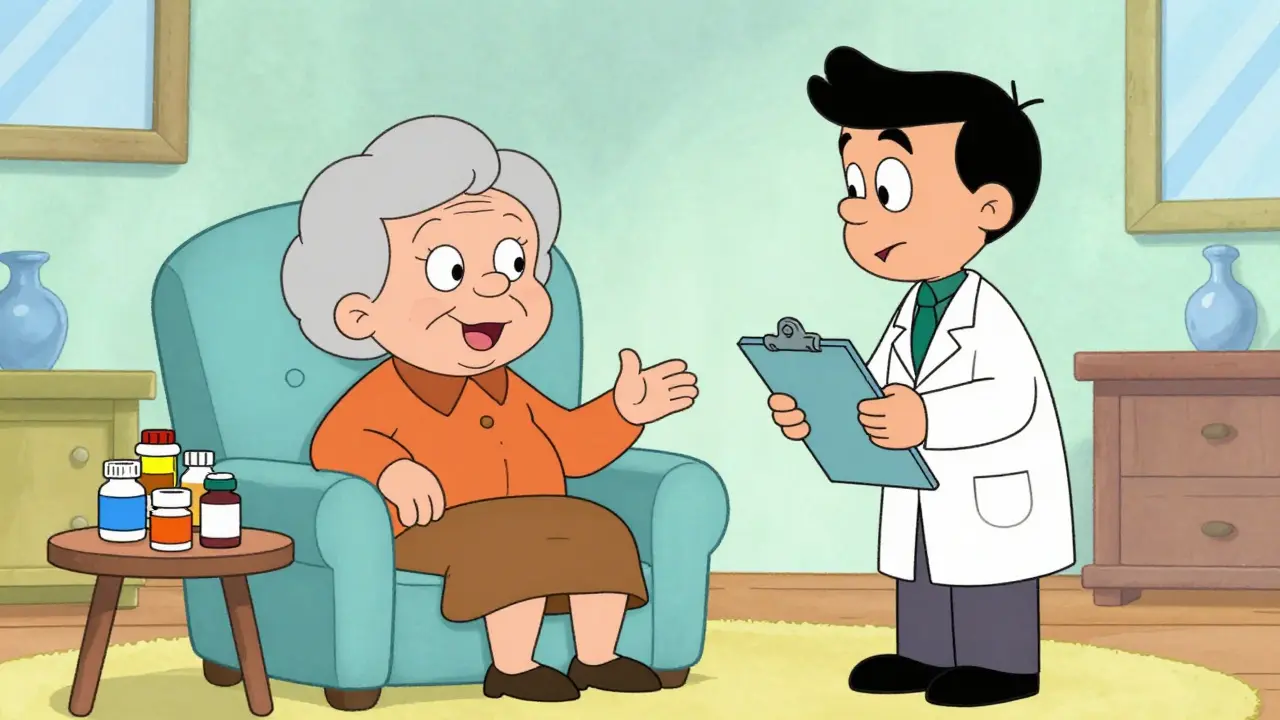
As we age, our bodies metabolize drugs differently. Elderly patients often take five or more medications daily, significantly increasing the risk of polypharmacy issues. First-generation antihistamines like diphenhydramine (Benadryl), commonly used for allergies or sleep, can cause excessive drowsiness and confusion when combined with other central nervous system depressants, such as anxiety medications or opioids. This combination has led to numerous falls and injuries among seniors.
If you have chronic conditions like hypertension, diabetes, or kidney disease, your margin for error is smaller. NSAIDs can elevate blood pressure by 5-15 mmHg, counteracting the effects of your blood pressure medication. Sodium phosphate laxatives can be particularly dangerous for those with renal impairment, leading to acute phosphate nephropathy. Always consider your underlying health conditions when choosing an OTC treatment.
Practical Steps to Prevent Interactions
Avoiding these risks doesn’t require medical expertise, just a few consistent habits. First, always read the Drug Facts label on the back of OTC packages. Look for warnings that say "Do not take if you are using..." Second, use reliable online tools like the WebMD Drug Interaction Checker, which screens thousands of combinations against current clinical data. However, remember that algorithms aren't perfect-use them as a starting point, not a final verdict.
Third, stick to one pharmacy for all your prescriptions. This allows your pharmacist to maintain a complete profile of your medication history. Finally, never change your dosage or stop taking a prescription drug because you think an OTC alternative will work better. Consistency is key in managing chronic conditions, and sudden changes can lead to rebound effects or withdrawal symptoms.
Can I take Tylenol with my prescription medications?
Acetaminophen (Tylenol) generally has fewer drug interactions than NSAIDs, making it a safer choice for many people. However, it can still interact with certain drugs like warfarin, increasing bleeding risk with long-term use. The primary danger is accidental overdose due to medication overlap. Always ensure your total daily intake does not exceed 4,000 mg, and consult your doctor if you take blood thinners or have liver disease.
What should I do if I suspect a drug interaction?
If you experience new or worsening symptoms after starting an OTC medication, stop taking it immediately and contact your healthcare provider. Symptoms of serious interactions can include unusual bleeding, severe dizziness, rapid heartbeat, or extreme drowsiness. Do not wait for the next scheduled appointment; seek urgent medical advice if symptoms are severe.
Are herbal supplements safe to mix with prescription drugs?
Not necessarily. Herbal supplements like St. John’s Wort, ginkgo biloba, and garlic can significantly interact with prescription medications. For instance, St. John’s Wort can reduce the effectiveness of birth control pills and antidepressants. Ginkgo biloba may increase bleeding risk when taken with blood thinners. Treat supplements with the same caution as OTC drugs and disclose their use to your pharmacist.
How long should I wait between taking an antacid and my prescription meds?
It is generally recommended to wait at least two hours before or after taking an antacid when consuming other medications. Antacids can alter the pH of your stomach, affecting how quickly or effectively other drugs are absorbed. Separating the doses ensures your body gets the full therapeutic benefit of your prescription medication.
Why do pharmacists ask about OTC drugs?
Pharmacists ask about OTC drugs because they are trained to identify potential interactions that could harm your health. Since OTC medications are not recorded in your electronic health record unless you report them, your pharmacist relies on your honesty to provide safe care. They can suggest alternatives that are safer for your specific medication regimen and health conditions.
Frances Kendall
This is such a crucial topic that gets overlooked way too often. I've seen so many people treat their medicine cabinet like a buffet, grabbing whatever looks helpful without thinking about the chemical cocktail they're creating in their bodies. The part about medication overlap with acetaminophen really hit home for me because it's so easy to accidentally double up when you have a bad cold and just want relief from everything at once. It's not just about reading the label; it's about understanding what those labels actually mean in the context of your overall health regimen. We need to stop treating OTC drugs as 'safe' by default and start respecting them as potent chemicals that demand caution. Your pharmacist is literally trained to catch these errors before they become emergencies, yet so many of us skip that step entirely. It’s a shame we have to rely on fear tactics to get people to be more responsible with their health.
Chelsea Grdina
Oh my gosh, thank you for sharing this! 🙏 This is exactly the kind of information that needs to be spread far and wide because so many of us are walking around clueless about these risks. I used to think that if I could buy it without a prescription, it was basically harmless, but wow, that mindset is totally outdated and dangerous. The bit about NSAIDs and blood thinners gave me chills because I know so many seniors who take Advil for joint pain without realizing how much it messes with their other meds. 💊 We really need to normalize asking our pharmacists questions instead of feeling embarrassed or thinking it's a waste of their time. They are there to help us stay safe, after all! Let’s all make a pact to read those Drug Facts labels more carefully, okay? 🌟
Brian LeClercq
The narrative here is fundamentally flawed because it assumes that the average person lacks the basic intelligence to manage their own healthcare decisions without constant hand-holding from pharmaceutical gatekeepers. The idea that one must consult a professional for every minor ailment is a recipe for societal dependency and erodes personal autonomy. Furthermore, the statistical correlations presented are often overstated to induce unnecessary panic among the populace. Many individuals have taken ibuprofen alongside various prescriptions for decades without incident, suggesting that the risk is highly individualized rather than universal. The push to centralize medical oversight through pharmacy consultations is merely an extension of bureaucratic control over daily life. One should trust their own body's signals and historical tolerance rather than algorithmic warnings generated by corporate interests. The solution is not more regulation but better education on self-reliance.
Derick Garcia
Your assertion that personal autonomy supersedes physiological reality is intellectually dishonest and dangerously naive. The human body is a complex biochemical system, not a philosophical construct to be debated into submission. To suggest that statistical correlations are merely tools of bureaucratic control ignores the fundamental principles of pharmacology and toxicology. The fact that some individuals survive adverse interactions does not negate the existence of the risk; it merely highlights survivorship bias. You are advocating for a level of ignorance that results in preventable hospitalizations and fatalities. The role of the pharmacist is not to enforce dependency but to provide expert analysis based on empirical data. Dismissing this expertise as 'corporate interest' reveals a profound misunderstanding of how modern medicine functions to preserve life. Ignorance is not a virtue; it is a liability.
Abhimanyu Pandey
They want you to believe it's just chemistry!! But look closer... the real danger isn't the interaction, it's the surveillance state embedded in your pharmacy records!!! Every time you ask about an OTC drug, they are building a profile of your vulnerabilities!!! Why do they care if you take Tylenol? Because they want to know your liver function!!! They want to know your pain tolerance!!! It's all connected!!! The 'interactions' are a myth created to keep you dependent on the system!!! Don't let them gaslight you into thinking you need permission to heal yourself!!! The truth is out there!!! Wake up!!!
swetha r
I feel like everyone is missing the deeper spiritual implication here. Our bodies are temples, yes, but also battlegrounds against the synthetic toxins imposed upon us by a sick society. When we mix these substances, we are not just risking physical harm; we are inviting chaos into our energetic fields. The 'interactions' are merely the universe's way of telling us that we are out of alignment. I had a similar experience where I felt a sudden shift in my aura after taking a simple antacid, and I realized it was blocking my third eye from receiving the necessary frequencies. We must listen to our intuition, not the labels written by corporations that profit from our confusion. Trust your inner voice above all else.
Sarah Kwiatkowski
This is incredibly important information that we really need to pay attention to. I'm going to print this out and stick it on my fridge right now. It's so scary how easy it is to make a mistake, especially when you're feeling unwell and just want quick relief. I appreciate how clear and detailed this guide is-it makes it much easier to understand what to look out for. Thank you for helping us stay safer and healthier!
Natali Brown
I really appreciate this post because it highlights something so many of us overlook in our daily routines. It’s true that we often underestimate the power of OTC medications, thinking they’re benign when they can actually have serious consequences if mixed incorrectly. I’ve been guilty of not telling my doctor about every supplement I take, assuming it wasn’t significant enough to mention, but this article makes it clear that even small things can add up. The advice about keeping a comprehensive list of all medications, including vitamins and herbal supplements, is fantastic. It’s such a simple habit that could potentially save lives. I’m definitely going to start doing this myself and encourage my friends and family to do the same. Communication with healthcare providers is key, and we shouldn’t hesitate to ask questions or seek clarification. Thanks for sharing this valuable insight! 😊
Kelsey Thomas
Great tips here! 👍