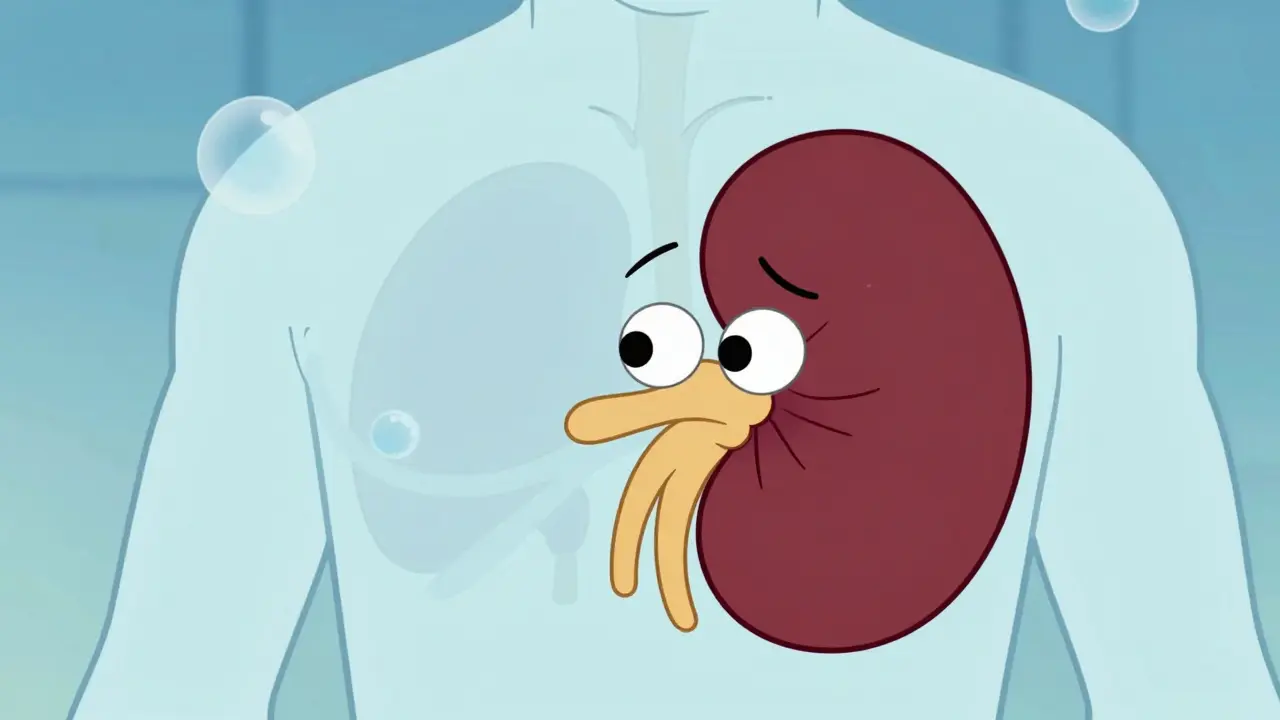
Your kidneys are hardworking filters that run silently in the background of your life. They clean your blood, balance fluids, and manage hormones without you ever thinking about them-until something goes wrong. Chronic Kidney Disease (CKD) is a progressive condition where kidney damage persists for at least three months, impairing essential functions like waste filtration and fluid regulation. The scary part? Most people feel absolutely fine until the damage is severe. In fact, estimates suggest that up to 90% of people with CKD don’t know they have it.
If you’ve been told your kidney function is "low" or you have protein in your urine, you might be feeling overwhelmed. You’re not alone. Understanding the stages of CKD isn’t just about medical jargon; it’s about knowing exactly where you stand and what steps you can take right now to protect your health. This guide breaks down the staging system, explains how doctors detect the disease early, and shows you how to slow its progression before it becomes a crisis.
Understanding the CKD Staging System
To track kidney health, doctors use a universal framework established by the Kidney Disease: Improving Global Outcomes (KDIGO) organization. Think of this as a roadmap. It helps healthcare providers assess how much function you’ve lost, predict risks, and decide on the best treatment plan. The system relies on two main numbers: your estimated glomerular filtration rate (eGFR) and your albuminuria level (protein in urine).
The eGFR tells you how well your kidneys are filtering waste from your blood. A higher number means better function. Albuminuria measures leakage of protein into your urine, which is a sign of kidney stress or damage. By combining these two metrics, doctors create a precise risk profile. Here is how the six stages break down:
| Stage | eGFR Range (mL/min/1.73m²) | Description |
|---|---|---|
| G1 | ≥90 | Normal function but with evidence of kidney damage (e.g., protein in urine). |
| G2 | 60-89 | Mildly reduced function with persistent kidney damage. |
| G3a | 45-59 | Mild to moderate loss of function. |
| G3b | 30-44 | Moderate to severe loss of function. Higher risk of progression. |
| G4 | 15-29 | Severely reduced function. Preparation for dialysis often begins here. |
| G5 | <15 | Kidney failure. Requires dialysis or transplant for survival. |
Notice the split in Stage 3. Many patients land here, but G3a and G3b are very different. Patients in G3b face a significantly higher risk of progressing to end-stage renal disease within five years compared to those in G3a. This distinction matters because it triggers more aggressive monitoring and intervention strategies.
Why Early Detection Is Critical
You might wonder why we bother staging the disease if there’s no cure. The answer lies in prevention. Proper staging allows doctors to implement interventions that can reduce the risk of reaching end-stage renal disease by 25-30%. But this only works if you catch it early.
The biggest hurdle is that CKD is often called a "silent" killer. According to patient surveys, nearly 80% of people diagnosed at Stage 2 or 3 reported having zero symptoms. You won’t feel pain. You won’t see changes in your urine color necessarily. Instead, diagnosis often happens incidentally during routine blood work for unrelated issues, like a check-up for knee surgery or diabetes management.
Consider the experience of a nurse named Sarah (a composite based on real patient forums). She had occasional ankle swelling but blamed it on standing all day at work. It wasn’t until a pre-op physical revealed protein in her urine that she learned she had Stage 3a CKD. Because she caught it then, she had time to adjust her diet, manage her blood pressure, and avoid rapid decline. Contrast this with another patient who waited until he felt fatigued and nauseous-symptoms that appeared at Stage 4. By then, his eGFR had dropped to 19, and options were far more limited.
Early detection buys you time. Data shows that patients diagnosed at Stage 3 or earlier report significantly higher confidence in managing their condition and better adherence to treatment plans. That "warning period" is invaluable.

How Doctors Detect CKD Early
Detecting CKD doesn’t require invasive procedures initially. It starts with simple, non-invasive tests that any primary care provider can order. If you have risk factors like diabetes, high blood pressure, or a family history of kidney disease, you should ask for these tests annually.
- Serum Creatinine Test: This blood test measures creatinine, a waste product from muscle wear and tear. Healthy kidneys filter it out efficiently. High levels in the blood suggest your kidneys aren’t working properly. Doctors use this value to calculate your eGFR using the CKD-EPI equation, which provides a standardized estimate of kidney function.
- Urine Albumin-to-Creatinine Ratio (ACR): This involves a first-morning urine sample. It checks for albumin, a protein that shouldn’t leak into urine. Even small amounts (microalbuminuria) can signal early kidney damage, especially in diabetics. An ACR of ≥30 mg/g indicates kidney damage even if your eGFR is normal.
- Blood Pressure Monitoring: High blood pressure is both a cause and a consequence of CKD. Keeping it under control is one of the most effective ways to slow progression.
For a diagnosis to be confirmed as chronic rather than acute, these abnormal results must persist for at least 90 days. This rule prevents misdiagnosis due to temporary factors like dehydration or intense exercise.
Slowing Progression: What You Can Do
Receiving a CKD diagnosis can feel like a death sentence, but it’s more like a yellow light. You need to slow down and pay attention, but you can still drive safely for a long time if you make smart choices. Here are the most impactful actions you can take:
- Control Blood Pressure: Aim for below 130/80 mmHg. Medications like ACE inhibitors or ARBs are often prescribed not just for blood pressure but because they specifically protect kidney function by reducing pressure inside the kidney’s filtering units.
- Manage Blood Sugar: For diabetics, keeping HbA1c levels in target range is crucial. Diabetes accounts for over a third of all CKD cases. High sugar levels damage the delicate blood vessels in the kidneys over time.
- Adjust Your Diet: You may need to limit sodium, potassium, or phosphorus depending on your stage. A registered dietitian specializing in renal health can help you create a sustainable meal plan. Reducing processed foods is a great first step.
- Avoid NSAIDs: Common painkillers like ibuprofen and naproxen can harm kidney function, especially if used regularly. Stick to acetaminophen unless your doctor advises otherwise.
- Stay Hydrated (But Don’t Overdo It): Water helps kidneys clear toxins, but in later stages, you may need to restrict fluid intake. Follow your doctor’s guidance on hydration.
Research shows that targeted interventions, such as ACE inhibitor therapy in Stage 3a patients with protein in their urine, can reduce progression to Stage 4 by nearly 40%. Small changes now yield massive benefits later.

Common Misconceptions About CKD Stages
There’s a lot of noise online about kidney health. Let’s clear up some myths that cause unnecessary panic or dangerous complacency.
Myth 1: A low eGFR always means you have CKD. Not necessarily. As we age, our kidney function naturally declines slightly. For adults over 70, an eGFR below 60 might just reflect normal aging rather than progressive disease. Doctors look at trends over time and other markers like albuminuria to distinguish between benign aging and true CKD.
Myth 2: I need a biopsy to know my stage. False. Biopsies are reserved for specific cases where the cause of kidney damage is unclear or suspected to be inflammatory. For most people, blood and urine tests are sufficient for staging and management.
Myth 3: Once you have CKD, you will definitely need dialysis. This is incorrect. Many people live with Stage 3 CKD for decades without ever progressing to Stage 5. With proper management, the goal is to keep you stable in your current stage for as long as possible. Only a small percentage of CKD patients eventually reach end-stage renal disease requiring dialysis or transplant.
When to See a Specialist
Primary care doctors manage early-stage CKD effectively. However, certain red flags warrant a referral to a Nephrologist (kidney specialist). You should seek a second opinion or specialist care if:
- Your eGFR drops faster than 5 mL/min per year.
- You have significant protein in your urine (ACR >30 mg/g) despite treatment.
- You are in Stage 4 (eGFR 15-29) to begin planning for potential renal replacement therapy.
- You have complex conditions like recurrent kidney stones or genetic kidney diseases.
Don’t wait until you feel sick. The window for preserving kidney function closes quickly once you enter Stage 4. Proactive engagement with specialists can mean the difference between living independently and relying on dialysis machines.
What is the most accurate test for early kidney disease?
The combination of an eGFR blood test and a urine albumin-to-creatinine ratio (ACR) is the gold standard. eGFR measures filtering capacity, while ACR detects early structural damage via protein leakage. Both must be abnormal for at least three months to confirm CKD.
Can Stage 3 CKD be reversed?
Generally, CKD is not reversible because scar tissue forms in the kidneys. However, progression can often be halted or significantly slowed. Some mild improvements in eGFR may occur if the underlying cause (like high blood pressure or diabetes) is aggressively managed, but the goal is stability, not reversal.
Why is Stage 3 split into 3a and 3b?
Stage 3a (eGFR 45-59) represents mild-to-moderate loss, while Stage 3b (eGFR 30-44) indicates moderate-to-severe loss. Patients in Stage 3b have a much higher risk of progressing to kidney failure within five years, so they require closer monitoring and more intensive treatment protocols.
What foods should I avoid with CKD?
Diets vary by stage, but generally, you should limit high-sodium processed foods, excessive red meat, and high-potassium foods (like bananas, oranges, and potatoes) if your blood potassium levels are elevated. Phosphorus-rich foods like dairy and colas may also need restriction in later stages. Consult a renal dietitian for a personalized plan.
Does everyone with diabetes get kidney disease?
No, but diabetes is the leading cause of CKD, accounting for over 37% of cases. Tight control of blood sugar and blood pressure dramatically reduces the risk. Regular screening for albuminuria is essential for all diabetic patients to catch early signs before significant damage occurs.
Hafiz Omeiza
It is frankly disheartening to observe the sheer negligence with which the general public approaches their own biological maintenance. The article correctly identifies that CKD is a silent killer, yet society continues to prioritize immediate gratification over long-term physiological integrity. One does not simply 'spot' early signs when one has been consuming processed sludge and ignoring hypertension for two decades. It requires a level of self-discipline that appears increasingly rare in modern culture. We must accept responsibility for our vascular health rather than blaming genetics or fate when our filtration systems fail. The staging system provided is accurate, but it serves as a grim roadmap for those who have already failed to heed earlier warnings about sodium intake and blood pressure management.
Alex Johnston
The medical establishment wants you to believe this is just 'disease' :P But look closer at the correlation between industrial food processing and kidney failure rates. They are selling you poison wrapped in convenience and then charging you for the privilege of filtering it out. The eGFR numbers are arbitrary metrics designed to keep you compliant with their pharmaceutical pipeline. Wake up people! Your kidneys aren't failing because of 'stages', they are failing because the system is designed to break you down so you become dependent on dialysis machines owned by private equity firms. Stay vigilant against the narrative :)
Sam Dudgeon
i see you reading this and still eating salt like its free... really? do you think your body is infinite resource? i had a friend who ignored his protein levels until he was on dialysis every other day and now he cant even visit me because he smells like hospital antiseptic... it’s sad really how people ignore the obvious signals their bodies send them before it becomes too late
Kimberly Maten-ao
This breakdown of Stage 3a versus 3b is crucial information that most patients miss entirely. I’ve seen too many people assume that once they hit Stage 3, the outcome is predetermined without realizing that 3b carries a significantly higher risk profile requiring immediate intervention. The distinction isn’t just semantic; it dictates the urgency of specialist referral. If you are hovering around an eGFR of 40, you need to be demanding more aggressive monitoring protocols from your primary care physician right now. Do not wait for the next annual checkup if your numbers are trending downward rapidly.
Jake Kitzmiller
Hey everyone, just wanted to add some practical advice here since I work in renal nutrition. People often get scared when they hear they need to limit potassium or phosphorus, but it doesn't mean you can never eat these foods again. It's about portion control and preparation methods. For example, leaching potatoes by soaking them can reduce potassium content significantly. Also, don't forget that dairy products are high in phosphorus, so swapping regular milk for almond or rice milk can help ease the burden on your kidneys. Small changes make a big difference over time!
Sumit gupta
interesting read. reminds me of my uncle back in delhi who had similar issues. we just kept him on a strict diet and monitored his sugar levels closely. seems like the western approach is very clinical while we rely more on lifestyle adjustments. good info though for those who need it
Annemarie Kautz
ugh why is everything so complicated lol. i just drink water and hope for the best. sounds scary tho :/
Dale Simpson
You got this guys!! Don't let the stages scare you. Every single step you take towards better health is a victory. I know changing your diet feels hard at first but trust me it gets easier. You are stronger than you think and your body wants to heal. Keep pushing forward and stay positive because attitude plays a huge role in recovery. Lets support each other in this journey!!
alexander barrera
Typical American healthcare disaster waiting to happen 🇺🇸💀 The rest of the world handles chronic conditions with basic hygiene and sensible diets, but here we are needing a 10-page guide to understand why our organs are failing due to obesity and laziness. This is what happens when you outsource your health to corporations instead of taking personal responsibility. Pathetic state of affairs 😒📉
Hema Khimasia
The epistemological framework presented herein regarding the KDIGO guidelines offers a robust heuristic for clinical assessment. However, one must consider the ontological implications of labeling such a progressive pathology merely as 'disease' without acknowledging the systemic metabolic dysregulation that precedes structural damage. The bifurcation of Stage 3 into subcategories 3a and 3b reflects a necessary granularity in prognostic stratification, allowing for differential therapeutic interventions based on the velocity of glomerular filtration decline. It is imperative that practitioners recognize the albuminuria-to-creatinine ratio not merely as a biomarker but as an indicator of endothelial glycocalyx degradation.
krystal Live
Let's gooo!! 💪 You can totally slow this down if you start today. Dont wait for the doctor to tell you whats wrong. Take charge of your life and eat clean. Your kidneys will thank you later. Stay strong and keep moving forward!!