Author: Kimberly Vickers - Page 3
Cardiovascular Generics: What Safety Studies and Real-World Data Really Show
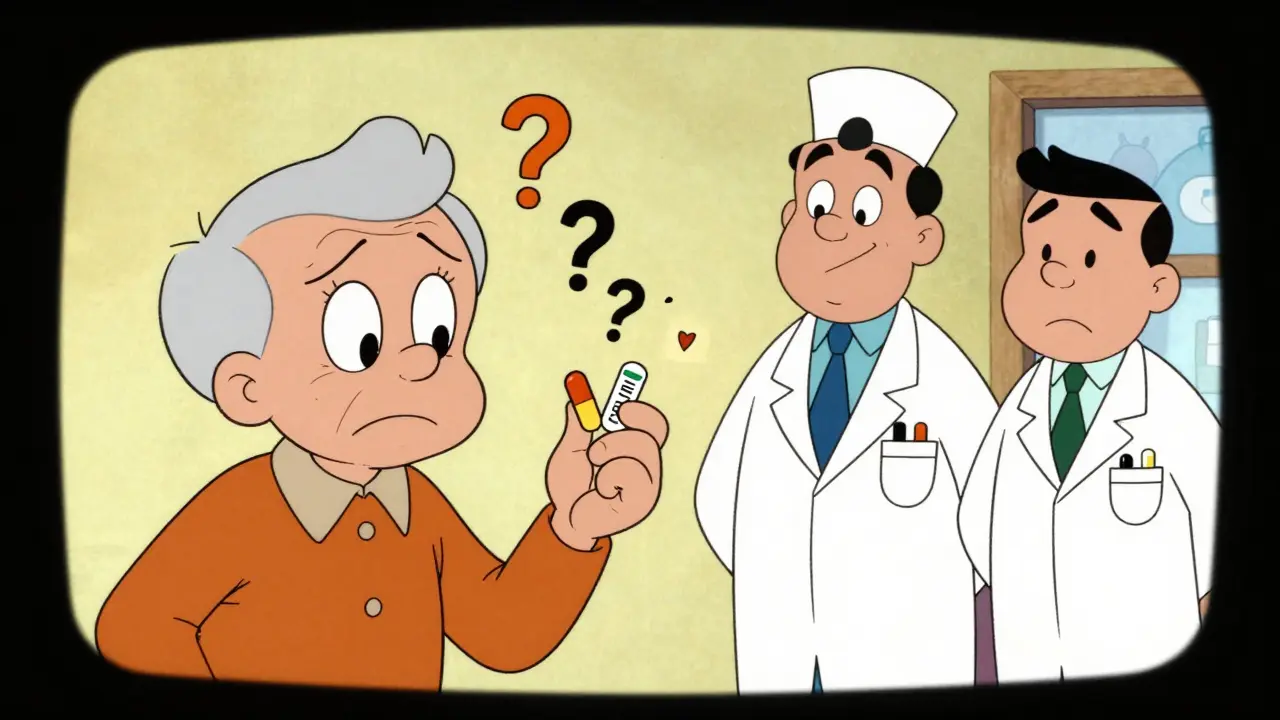
Cardiovascular generics save billions, but are they as safe as brand-name drugs? Real-world data shows mixed results - especially for statins and ARBs. Here's what the studies really say.
Ocular Surface Disease: Effective Care for Meibomian Gland Dysfunction

Meibomian gland dysfunction is the leading cause of dry eye. Learn how daily home care, in-office treatments like LipiFlow, and medications can manage symptoms and prevent long-term damage.
Step Counts and NEAT: How Daily Movement Burns Calories for Weight Management

Discover how daily movement like walking, standing, and climbing stairs-known as NEAT-burns calories without exercise. Learn the real math behind step counts and how to use them for effective weight management.
Sterile Manufacturing for Injectables: Key Requirements and Modern Standards
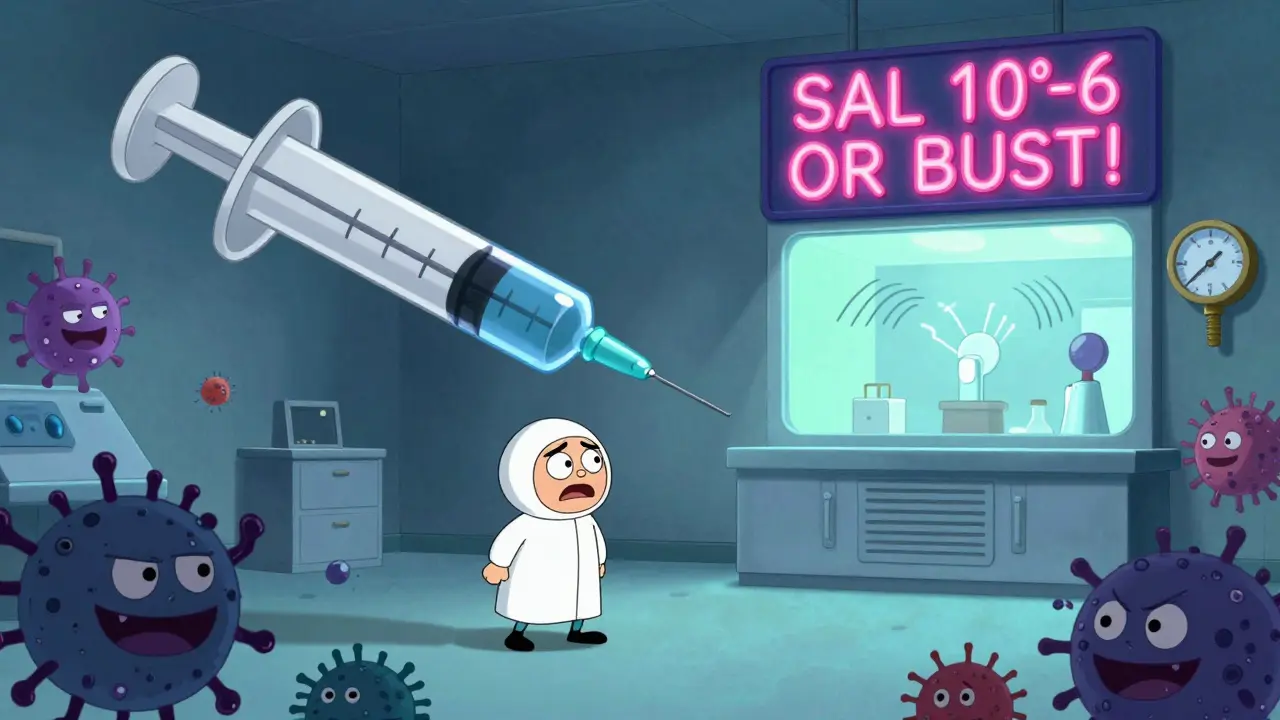
Sterile manufacturing for injectables ensures life-saving drugs are free from microbes and contaminants. Learn the critical requirements, regulatory standards, and real-world challenges behind producing safe injections.
Drug Interactions: How Food, Supplements, and Medications Can Clash
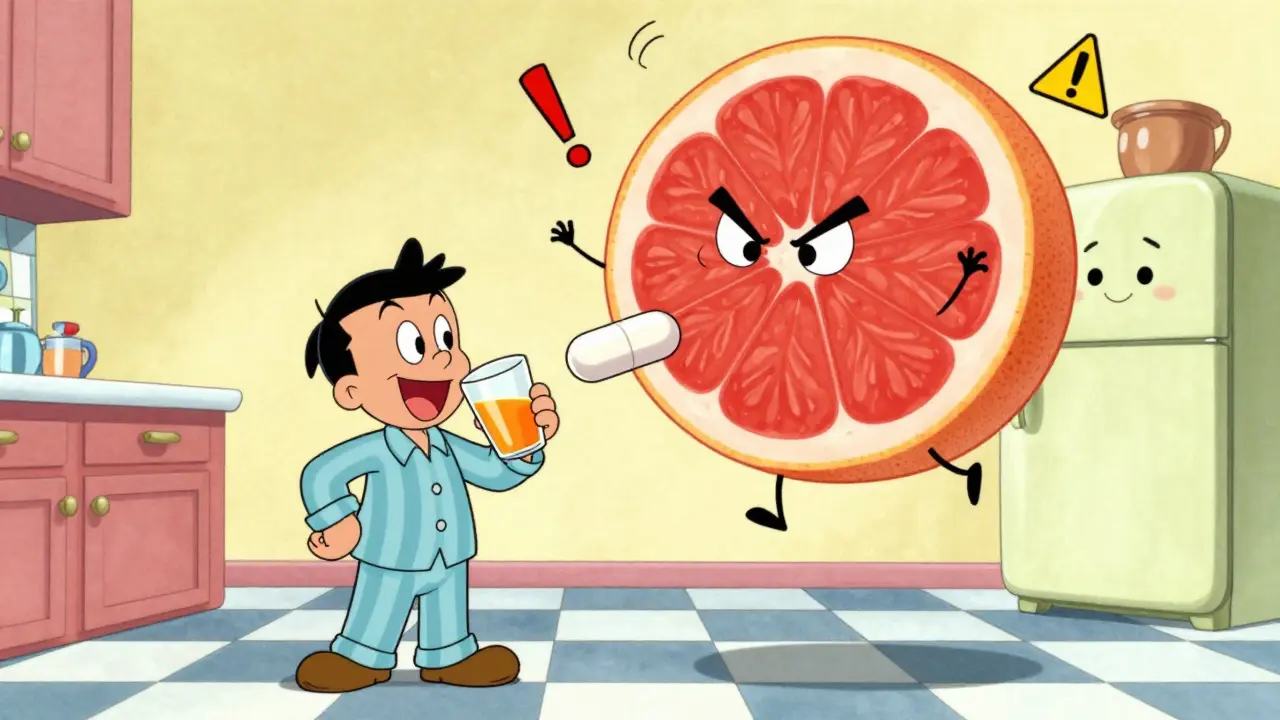
Food, supplements, and medications can clash in dangerous ways-grapefruit juice can spike statin levels, St. John’s wort can break your antidepressants, and vitamin K can undo warfarin. Learn how to spot hidden risks and protect your health.
Nocebo Effect: How Negative Expectations About Generic Medicines Hurt Your Health
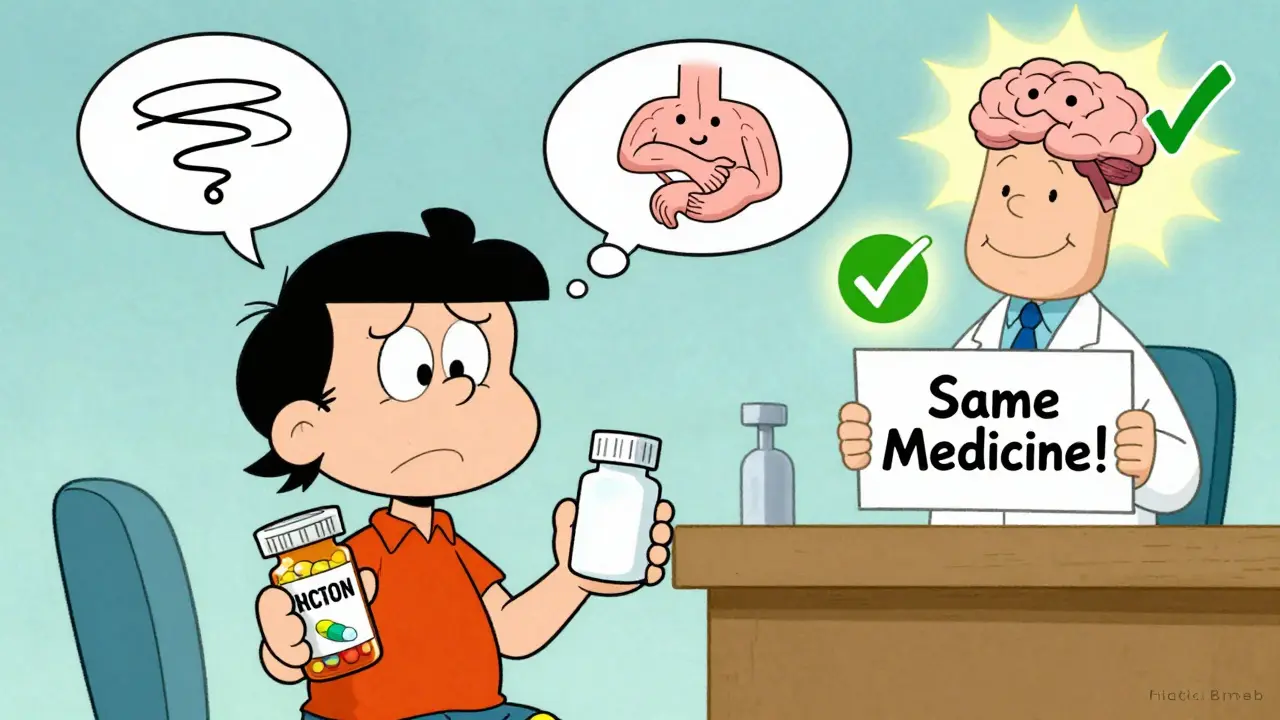
Negative expectations about generic medications can trigger real physical symptoms - even when the pills are identical to brand-name drugs. Learn how the nocebo effect impacts health, adherence, and costs - and what you can do about it.
Licensed Pharmacies: How to Verify Your Pharmacy Is Legitimate and Avoid Counterfeit Drugs
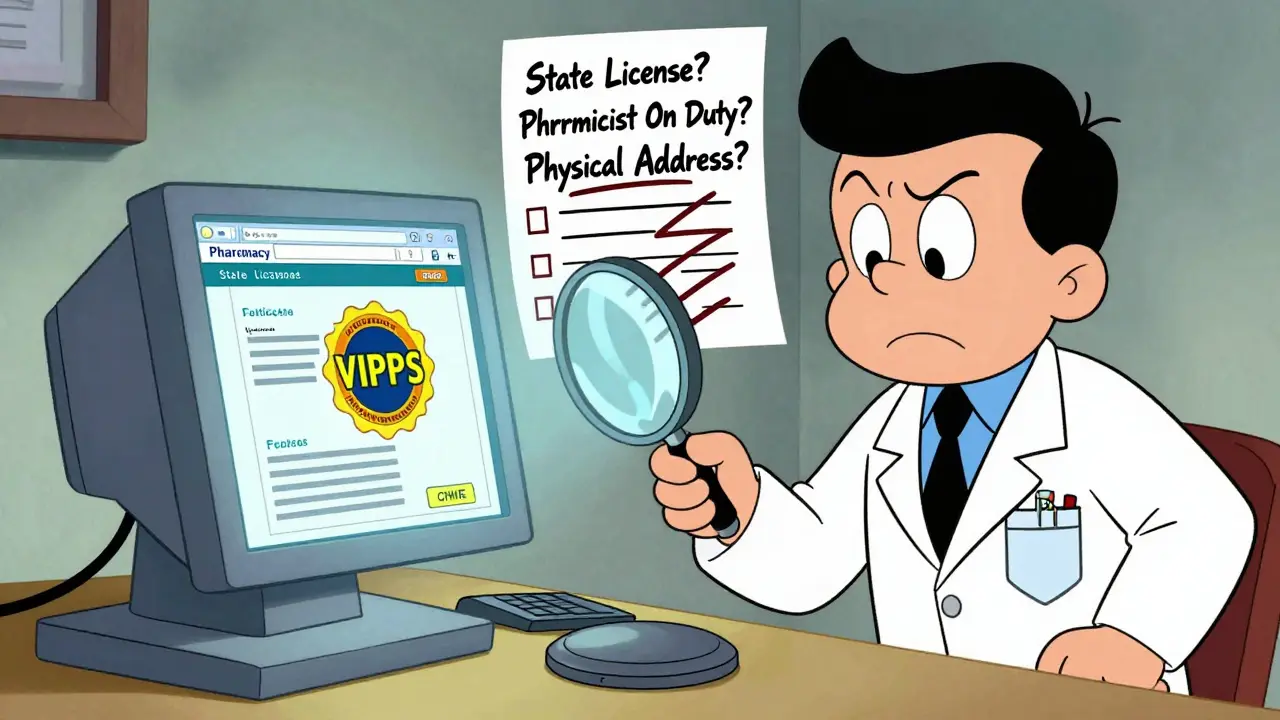
Learn how to verify a licensed pharmacy to avoid counterfeit drugs. Step-by-step guide to checking state licenses, NABP VIPPS, and spotting fake online pharmacies before you buy medication.
When Your Doctor Might Prescribe Brand-Name Only and Why
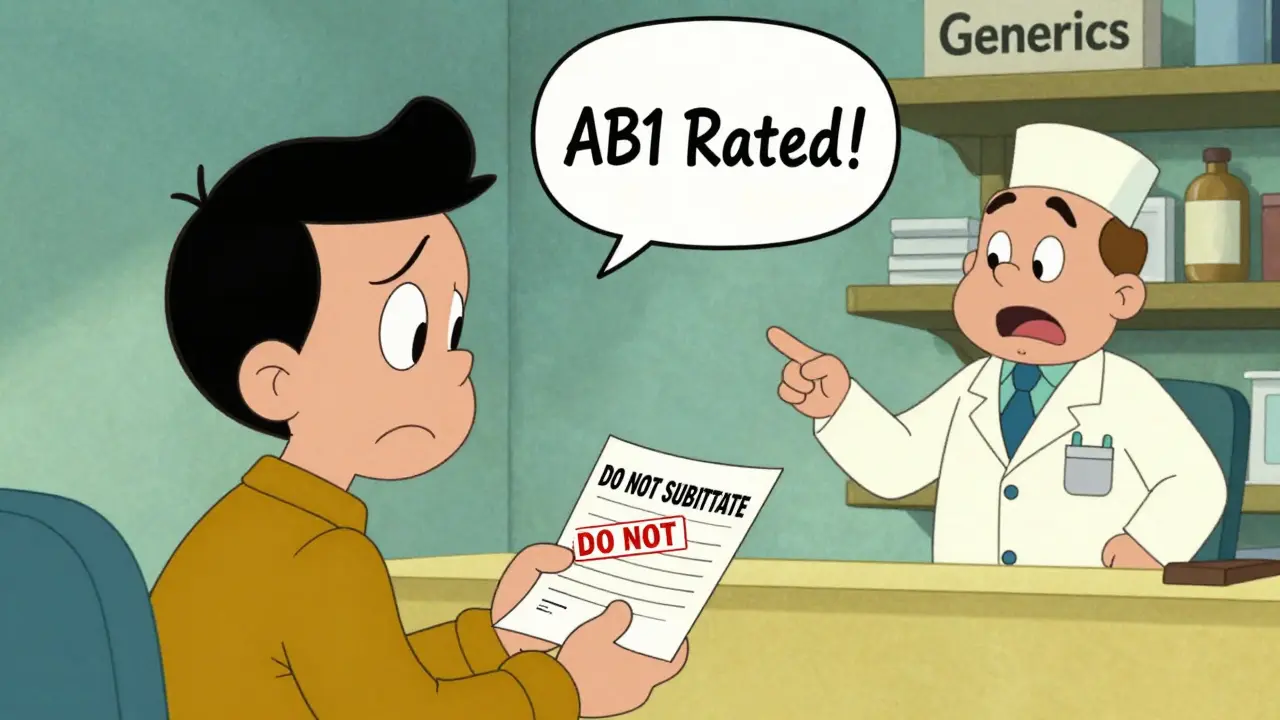
Doctors sometimes prescribe brand-name drugs instead of generics for medical reasons-especially with narrow therapeutic index medications. Learn when it's necessary, when it's not, and how to advocate for the right choice.
How to Translate Medication Names and Doses for Foreign Pharmacies
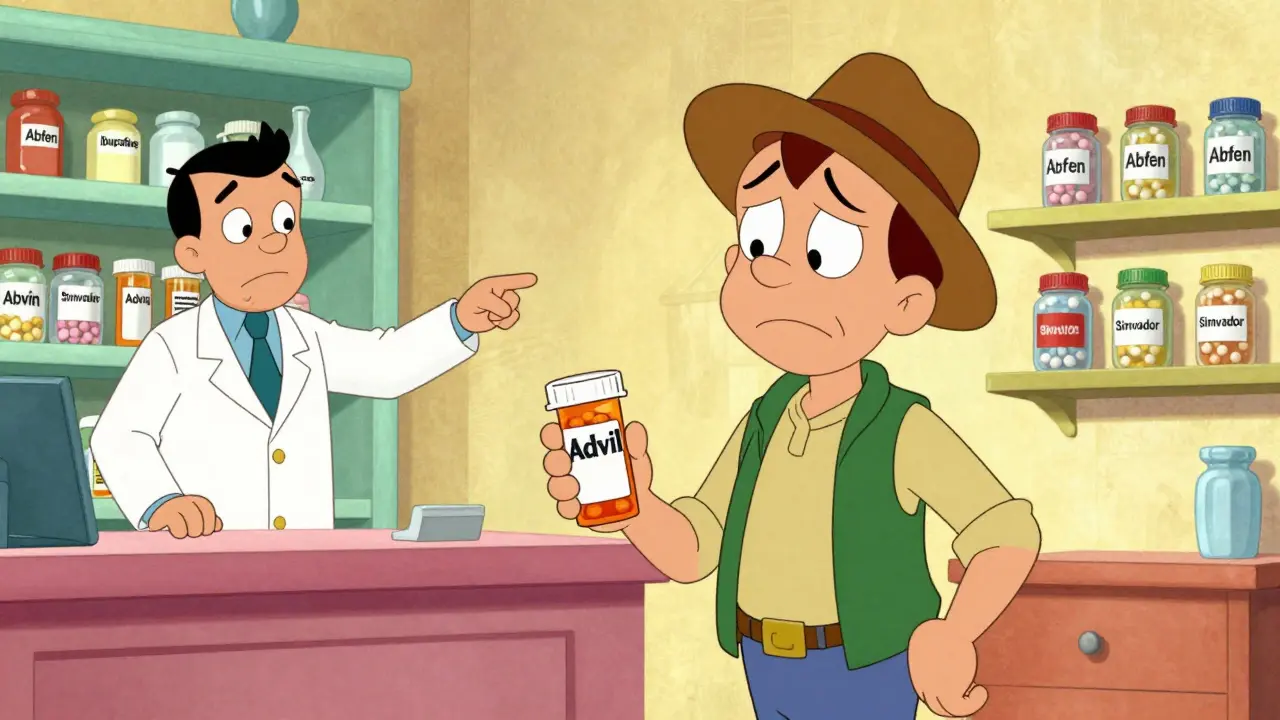
Learn how to accurately translate medication names and dosages for foreign pharmacies to avoid dangerous errors while traveling. Know what to bring, how to verify doses, and which tools actually work.
Steroid-Induced Hyperglycemia: How to Adjust Diabetes Medications Safely
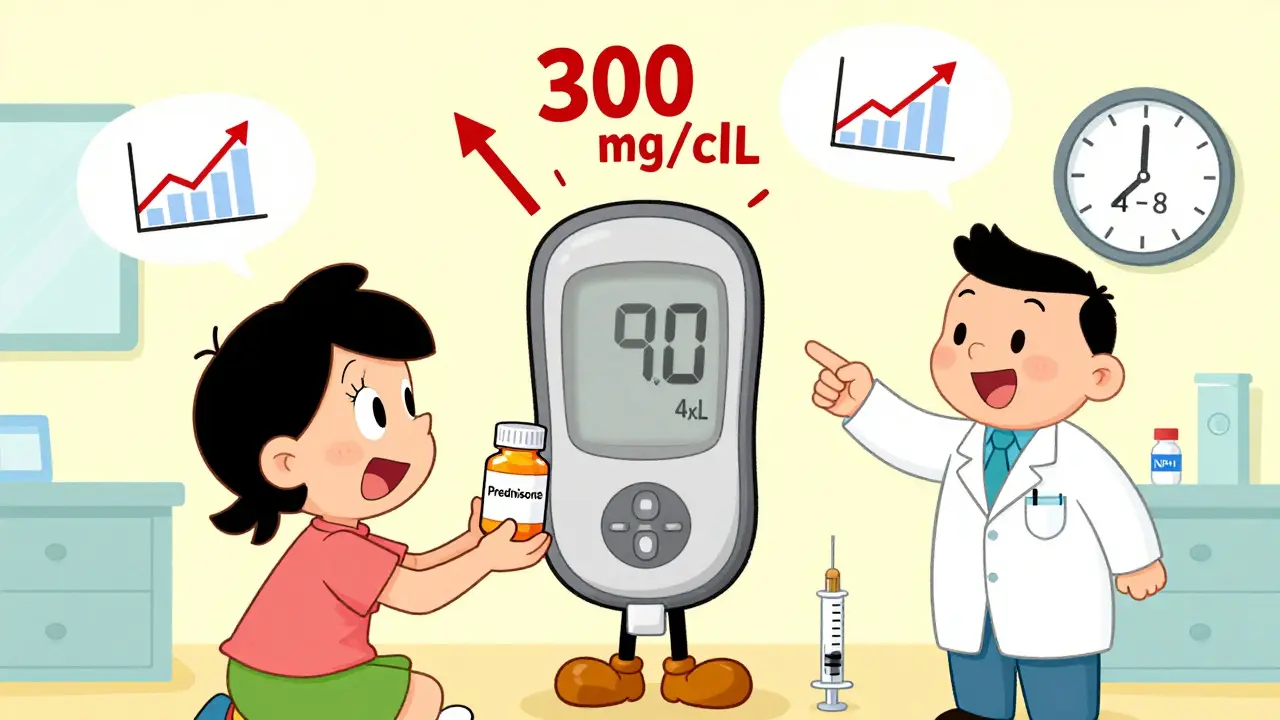
Steroid-induced hyperglycemia is a common and dangerous side effect of glucocorticoid therapy. Learn how to adjust insulin and diabetes medications safely to avoid high and low blood sugar during and after steroid treatment.
Cough Suppressants and MAOIs: What You Need to Know About Dextromethorphan Risks
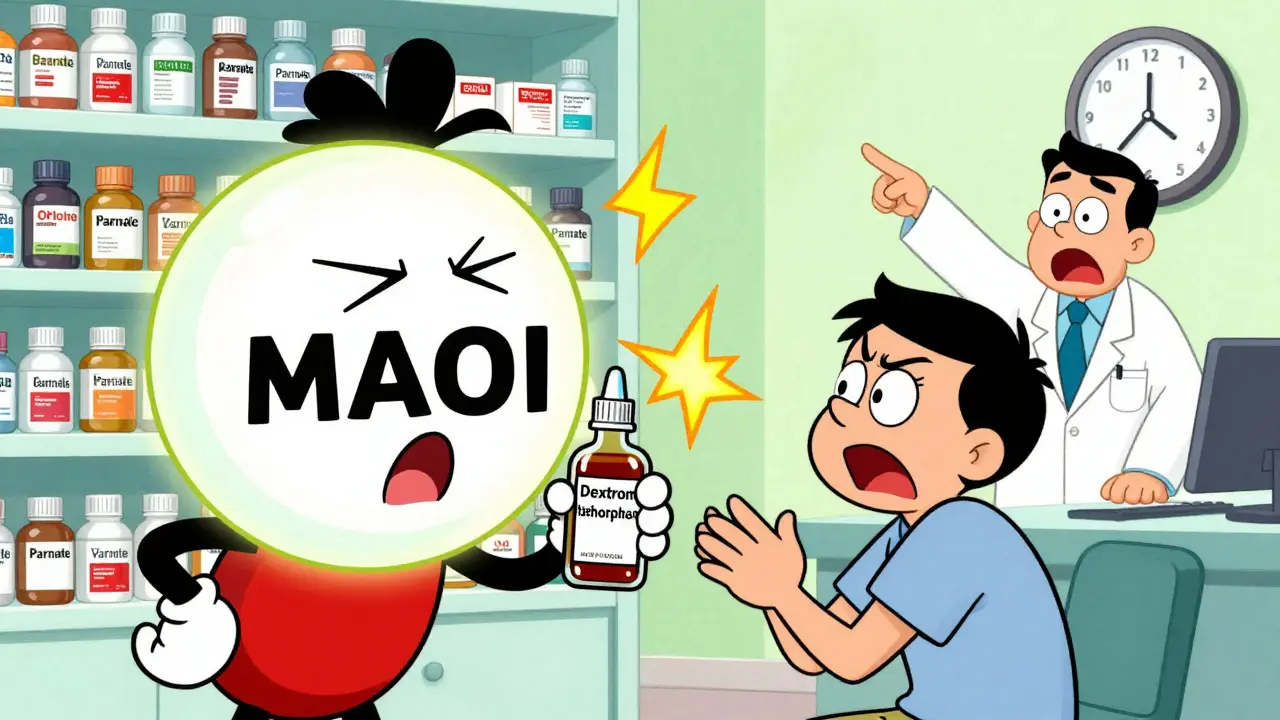
Dextromethorphan in common cough syrups can cause life-threatening serotonin syndrome when taken with MAOI antidepressants. Learn the risks, symptoms, and safe alternatives.
Vitamin K-Rich Vegetables and Warfarin: Complete Food List and Safe Eating Guide
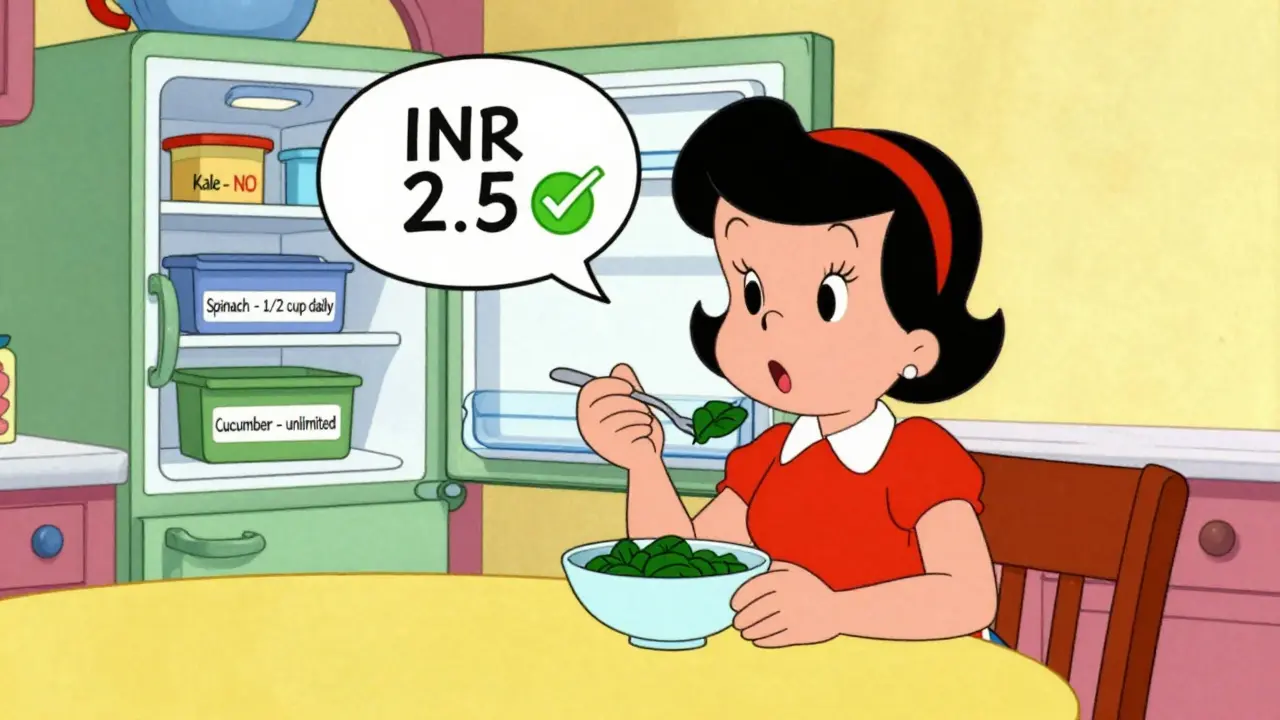
Learn which vegetables are high in vitamin K and how to safely eat them while on warfarin. No need to avoid greens-just keep your intake consistent to maintain stable blood clotting levels.