Pharmacy Guide: How to Shop for Medicines Online Without the Guesswork
Ever wondered if you can trust a website that promises cheap meds? You’re not alone. The internet is full of offers that look great on the surface but hide hidden risks. This guide cuts through the noise and gives you the tools you need to buy medication safely, compare prices, and avoid scams.
Spotting a Legit Pharmacy in Seconds
A real pharmacy will display a physical address, a licensed pharmacist’s name, and a valid pharmacy registration number. Check those details on your local health authority’s website – it’s quick and free. If the site only shows a generic email like [email protected] or refuses to share a phone number, walk away.
Look for HTTPS in the URL. It’s a small padlock icon, but it tells you the site encrypts your data. While HTTPS isn’t a guarantee of safety, it’s a basic requirement for any site handling personal health info.
Read reviews from real customers. Forums, consumer watchdog sites, and even the Better Business Bureau can reveal patterns of bad service or counterfeit drugs. A few negative comments might be a fluke, but recurring complaints about delayed shipping, unexpected charges, or fake products are red flags.
Getting the Right Price Without Getting Burned
Generic versions of most prescription drugs cost far less than brand‑name versions. The guide posts for clindamycin, tadalafil, and many others show current 2025 price ranges, so you can benchmark a deal. If a price looks too good to be true – like a month’s supply of a high‑cost drug for a few dollars – it probably is.
Use price comparison tools that pull data from multiple licensed pharmacies. Enter the drug name, dosage, and quantity, then sort by total cost, including shipping. Remember to factor in insurance coverage; some sites let you upload your insurance card for direct billing.
Watch out for hidden fees. Some sites add “processing” or “handling” charges after you’ve entered payment info. A transparent pharmacy lists every cost up front, so you know exactly what you’ll pay before you click “order.”
Finally, keep a record of all communications. Save order confirmations, pharmacy licenses, and receipts. If something goes wrong, you’ll have the evidence needed to request a refund or report fraud.
By following these steps, you’ll feel confident navigating the online pharmacy world. Whether you need a one‑off prescription like Enoxaparin, a chronic medication such as Indapamide, or an over‑the‑counter allergy pill like Xyzal, the same safety principles apply. Use this guide as a checklist each time you shop, and you’ll protect both your wallet and your health.
Travel Storage: Keeping Medications Safe on the Go
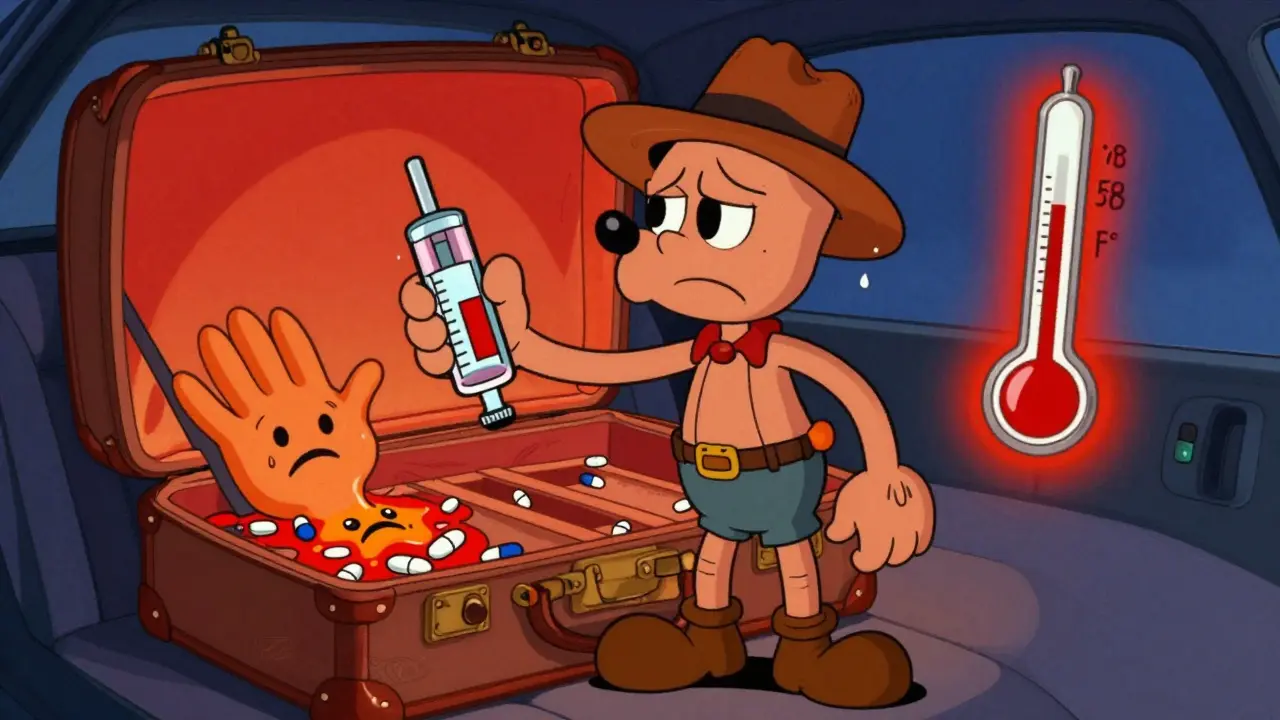
Learn how to safely store medications while traveling, including temperature rules, TSA guidelines, and what to pack to avoid dangerous exposure. Essential for anyone on insulin, biologics, or chronic meds.
Cyclosporine and Drug Interactions: How CYP3A4 Inhibition Affects Your Meds
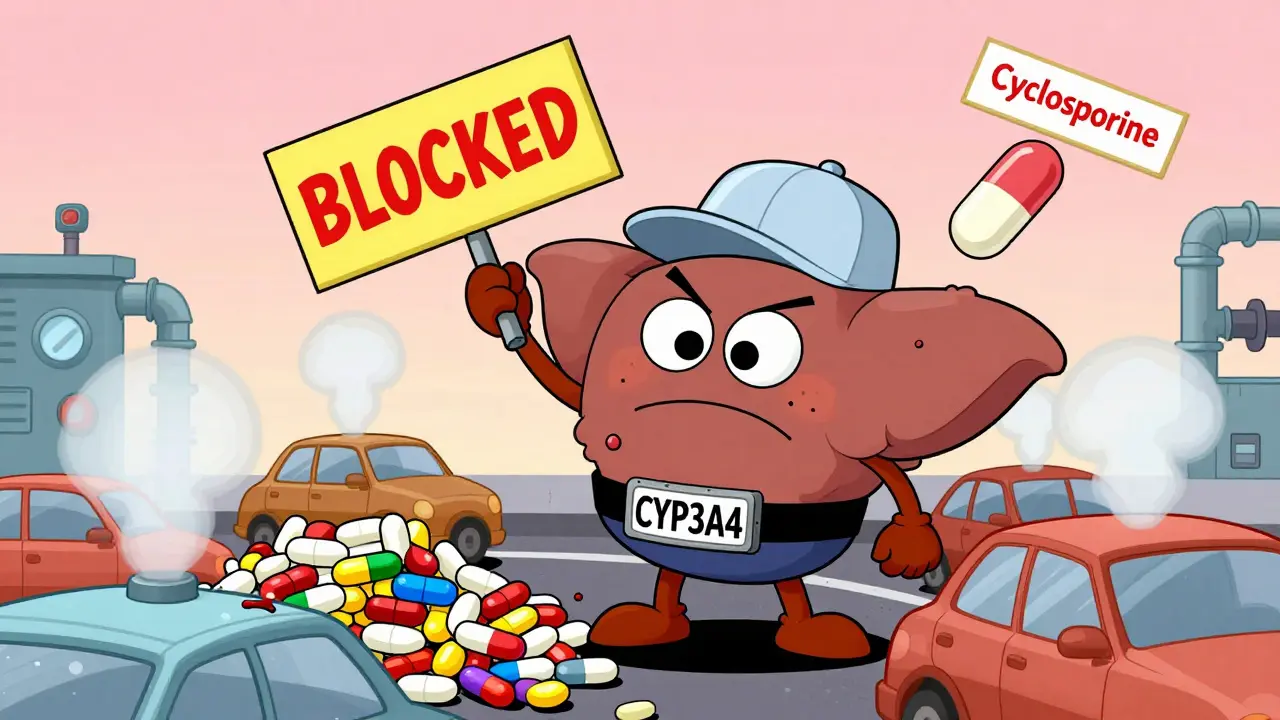
Cyclosporine is a vital immunosuppressant but interacts dangerously with many drugs by inhibiting CYP3A4, a key liver enzyme. Learn which medications to avoid, how to monitor levels, and what to do if you're at risk.
Insurance Coverage of Authorized Generics: Formulary Placement Explained
Authorized generics offer brand-name drug quality at generic prices. Learn how insurance plans cover them, why formulary placement matters, and how to get the best cost savings.
Essential Tremor and Beta-Blocker Therapy: What You Need to Know
Essential tremor is the most common movement disorder, affecting millions worldwide. Propranolol, a beta-blocker, is the most widely used treatment - reducing tremors in 50-60% of patients. Learn how it works, who it helps, and what alternatives exist.
Beta-Blockers and Calcium Channel Blockers: What You Need to Know About Combination Therapy
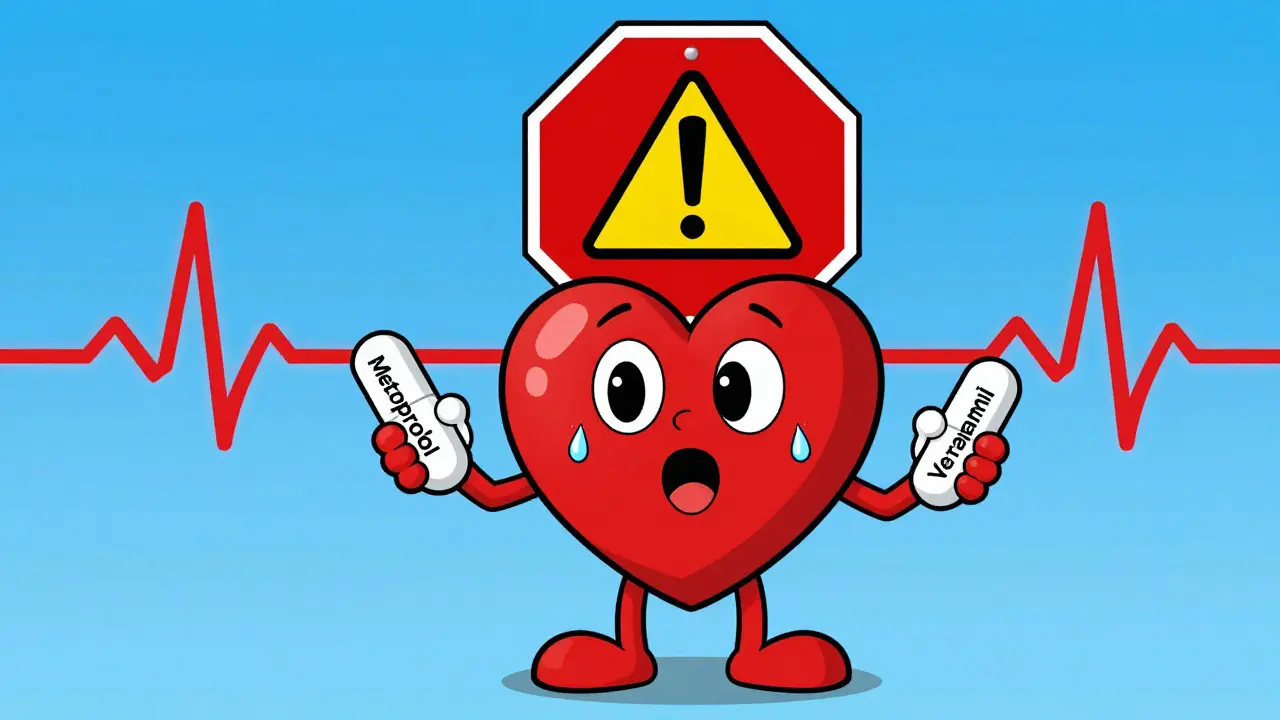
Beta-blockers and calcium channel blockers can be effective together for hypertension and angina-but only if the right types are used. Verapamil combos carry serious heart risks, while amlodipine is much safer. Know the difference before taking both.
Vitamin K Foods and Warfarin Interactions for INR Control
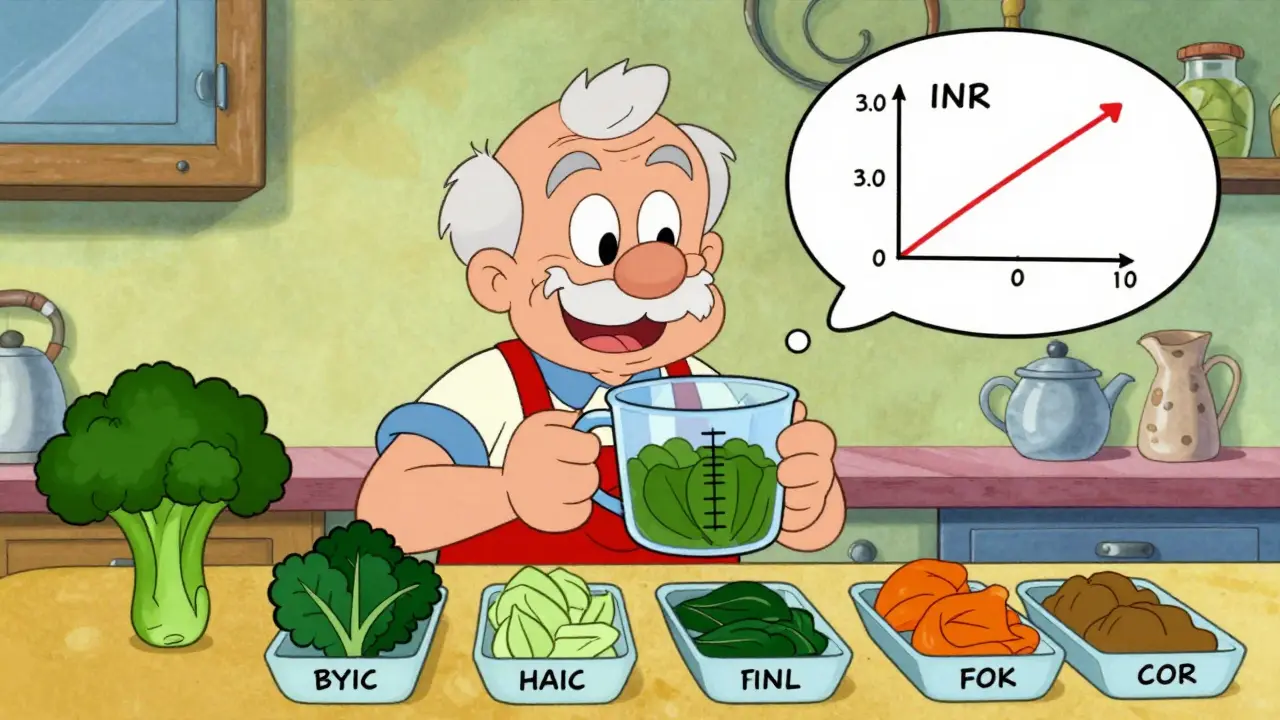
Learn how vitamin K foods affect warfarin and INR levels. Discover which foods to eat consistently, how to avoid dangerous swings, and practical tips for stable anticoagulation therapy.
Teaching Children About Medication Safety: What Kids Need to Know About Generic and Prescription Drugs
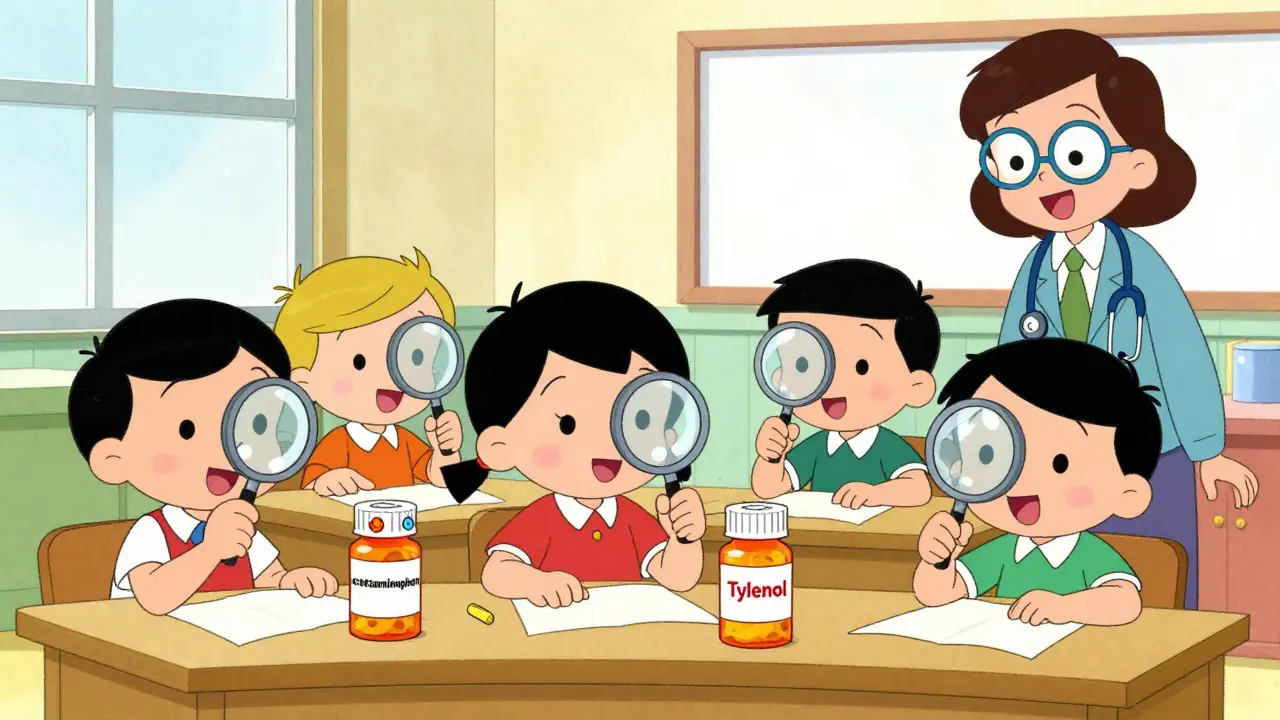
Teach kids about generic drugs and medication safety with simple, real-life lessons that build trust and prevent accidents. Learn how schools and parents in Canada are making it work.
Oral Care for Dry Mouth: Best Products and Daily Habits That Actually Work

Dry mouth is more than discomfort - it’s a risk to your teeth. Learn which products dentists actually recommend and the simple daily habits that prevent decay and keep your mouth healthy.
Insulin with Beta-Blockers: Managing Hypoglycemia Unawareness and Reducing Risk
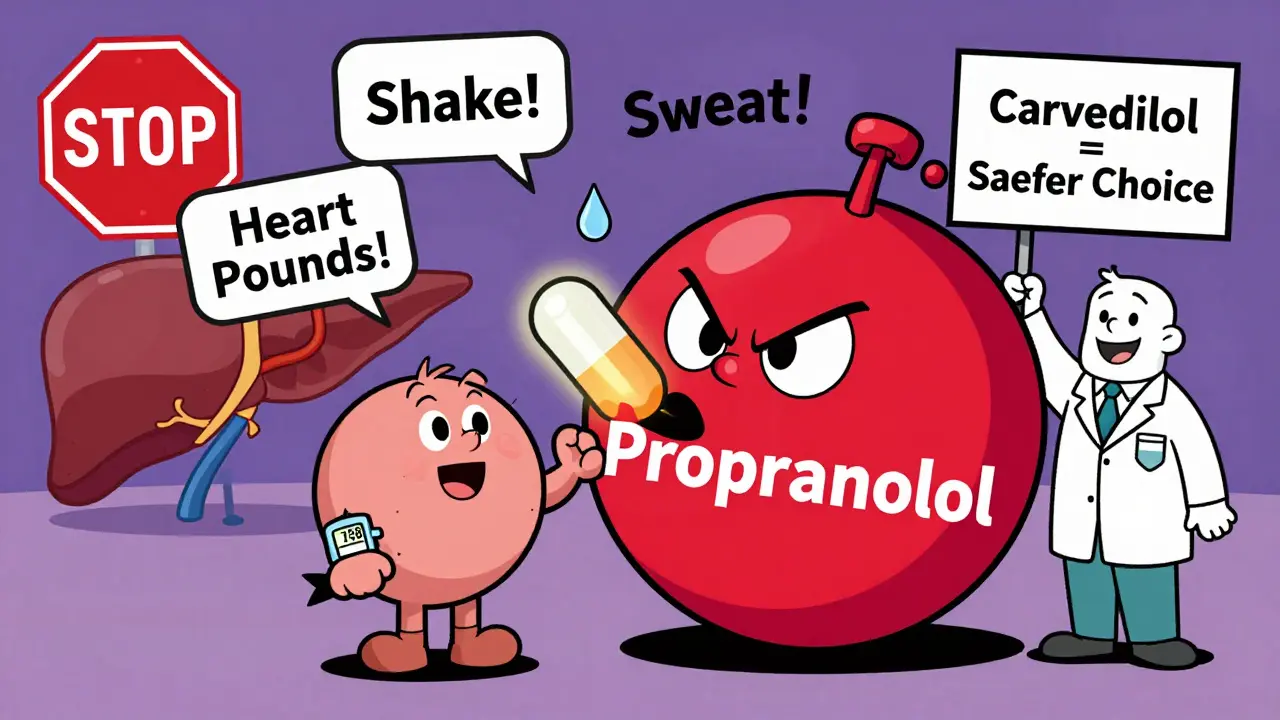
Combining insulin with beta-blockers can mask low blood sugar symptoms and increase severe hypoglycemia risk. Learn why carvedilol is safer, how sweating remains a key warning sign, and what steps to take to stay safe.
IVIG Therapy Explained: How Immunoglobulin Treats Autoimmune Disorders
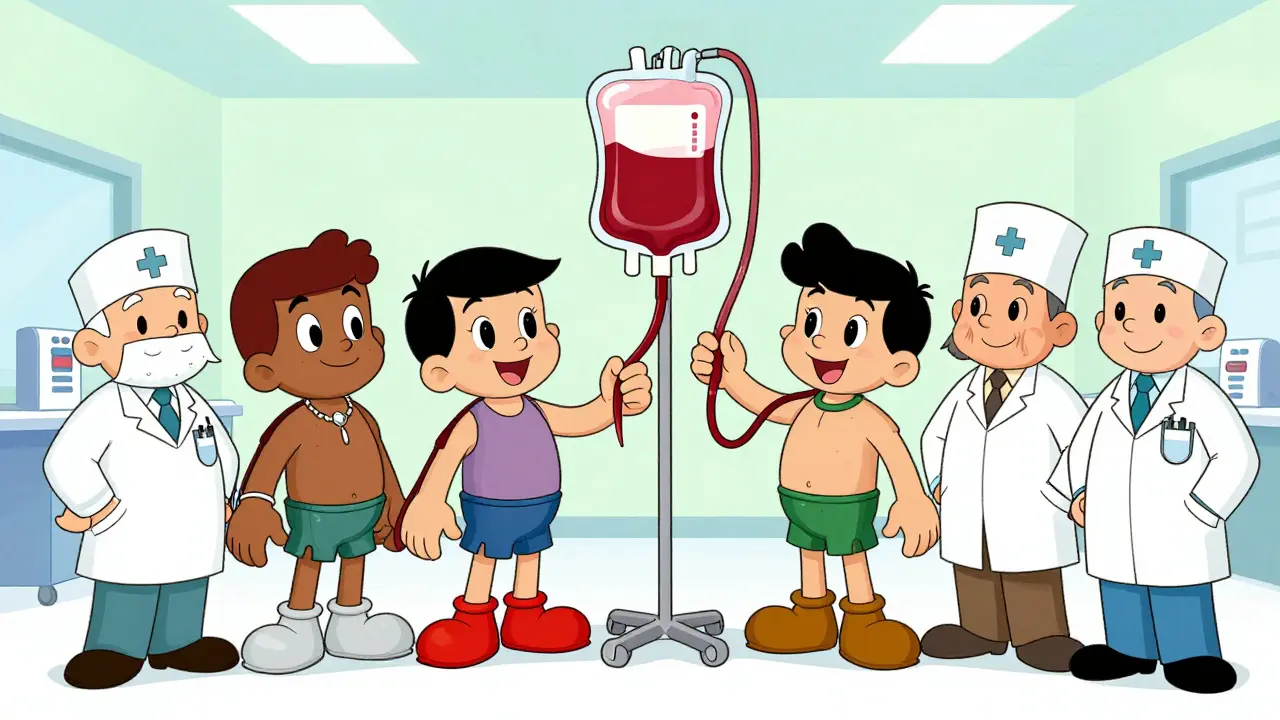
IVIG therapy uses donor antibodies to treat autoimmune disorders. Learn about its uses, side effects, costs, and how it compares to other treatments. Real-world data included.
Medication-Induced Brain Fog: How to Recognize and Find Relief

Medications can cause brain fog and memory problems. Learn to recognize symptoms and steps for relief. Common culprits: anticholinergics, benzodiazepines. Working with your doctor usually reverses these issues.
Why Medication Safety Is a Public Health Priority in Healthcare
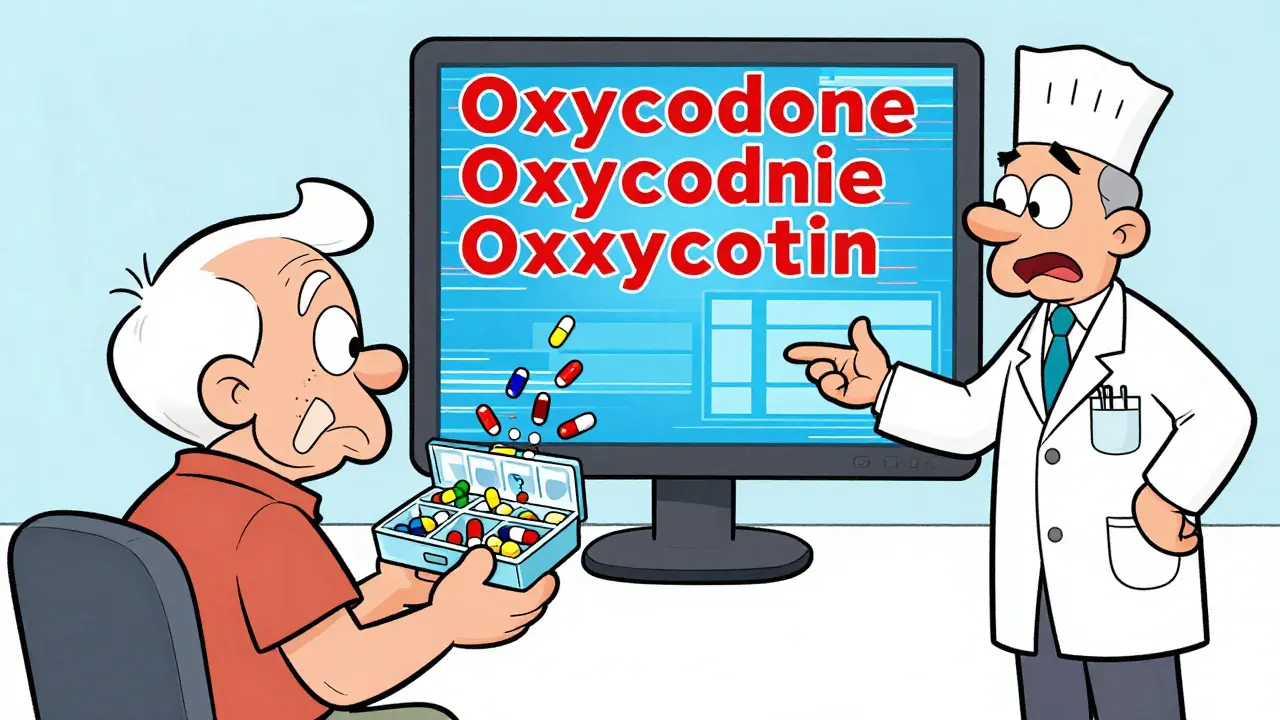
Medication errors cause over 1.5 million ER visits and 125,000 preventable deaths yearly in the U.S. This article explains why medication safety is a critical public health priority, backed by data, real-world examples, and proven solutions.