Category: Pharmacy Guide - Page 9
Grapefruit and Statins: Safe Dose Thresholds and Real Risks

Grapefruit can dangerously increase statin levels in your blood, raising the risk of muscle damage. Learn which statins are affected, how much grapefruit is risky, and what to do if you love citrus.
Medication-Induced Angioedema: Recognizing Swelling Risks and Airway Emergencies
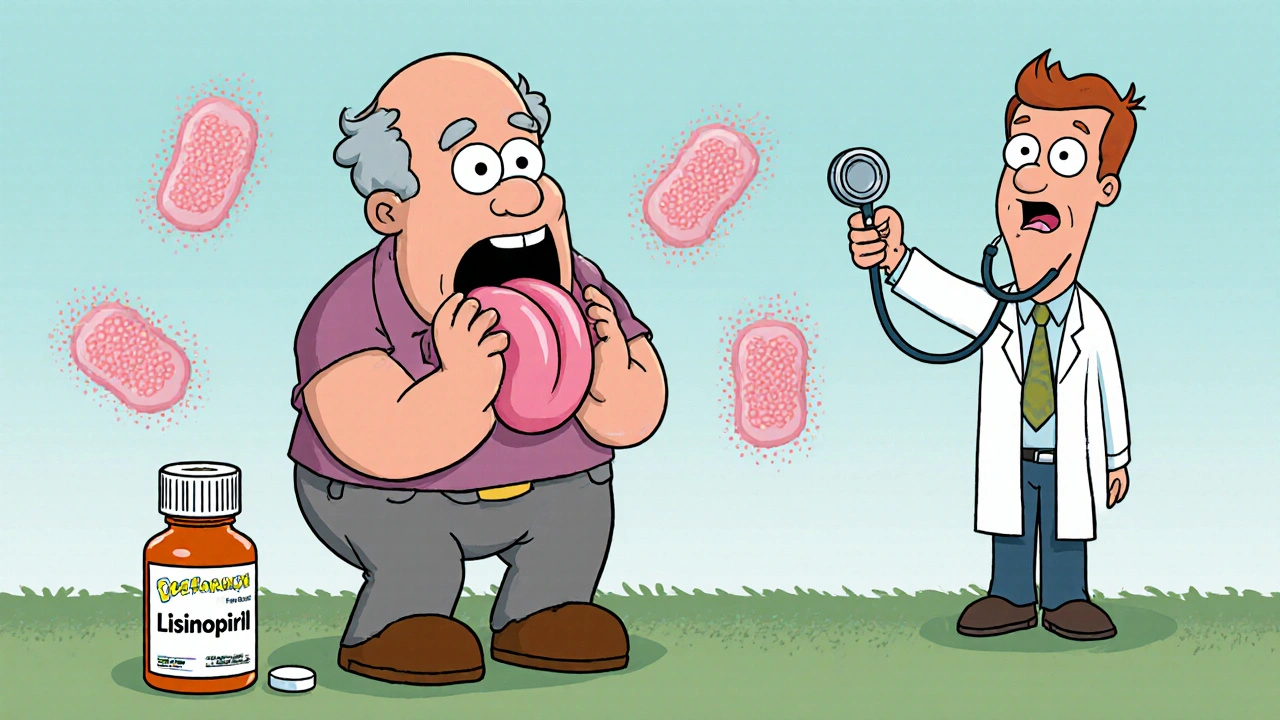
Medication-induced angioedema causes dangerous swelling that can block your airway. ACE inhibitors are the most common trigger, but standard allergy treatments won't work. Learn the signs, risks, and what to do in an emergency.
Fluoroquinolone Antibiotics and NSAIDs: Why Combining Them Raises Serious Neurologic and Kidney Risks
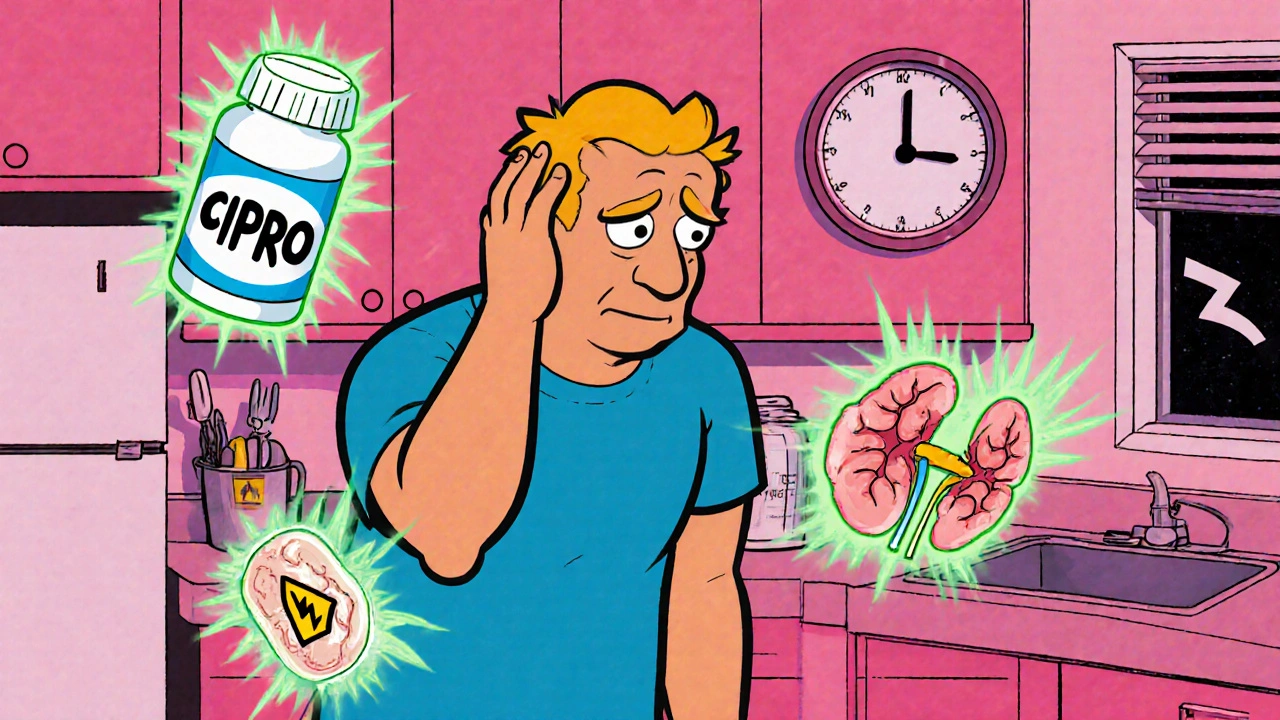
Combining fluoroquinolone antibiotics with NSAIDs can sharply increase the risk of kidney injury and neurological damage. Learn why this common drug combo is more dangerous than you think-and what safer alternatives exist.
Drug Reaction with Eosinophilia and Systemic Symptoms (DRESS): What You Need to Know
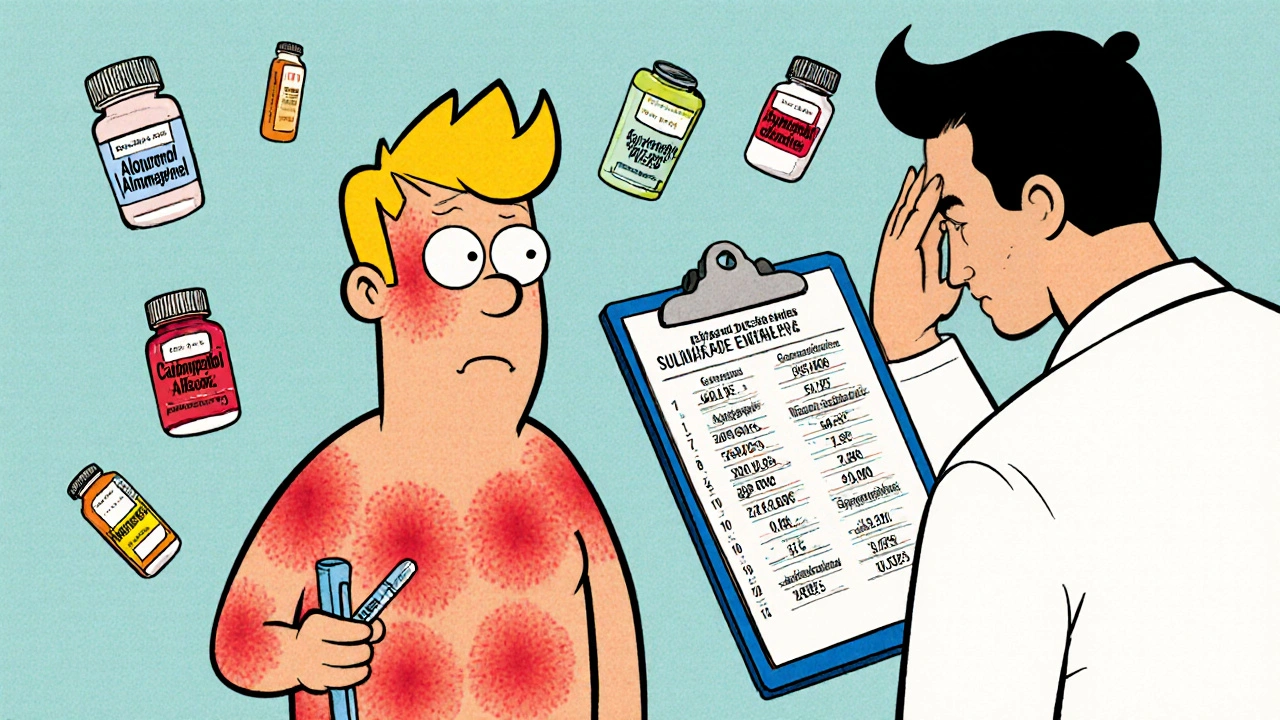
DRESS syndrome is a rare but deadly drug reaction causing fever, rash, and organ damage. Learn the warning signs, top triggers like allopurinol, how it differs from SJS/TEN, and what to do if you suspect it.
Drug Allergies vs. Side Effects: How to Tell Them Apart and Stay Safe
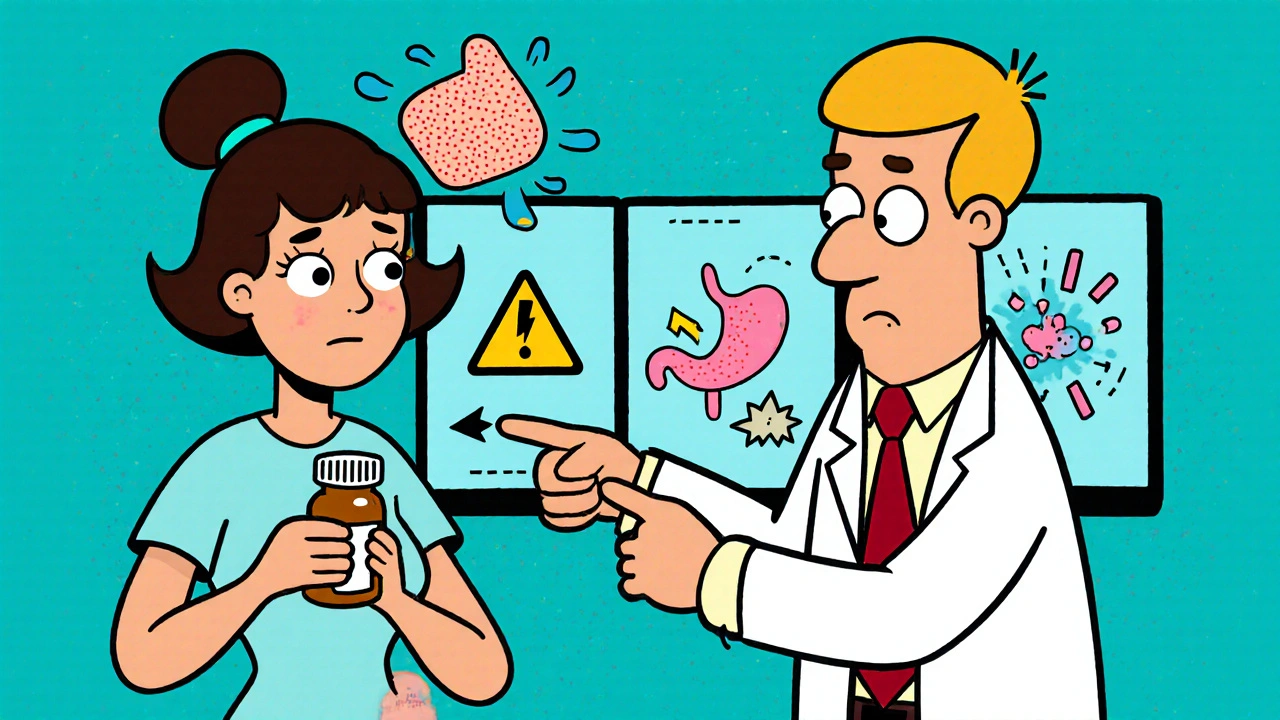
Learn how to tell the difference between a true drug allergy and a common side effect-why it matters for your health, what to do if you're mislabeled, and how to get tested safely.
Medication Safety at Home: How to Build a Foolproof System to Prevent Errors

Learn how to build a simple, reliable medication safety system at home to prevent dangerous errors. From lists to smart dispensers, this guide covers what works, what doesn’t, and how to stay safe with multiple meds.
Vancomycin Ototoxicity vs Nephrotoxicity: How to Balance the Risks in Clinical Practice
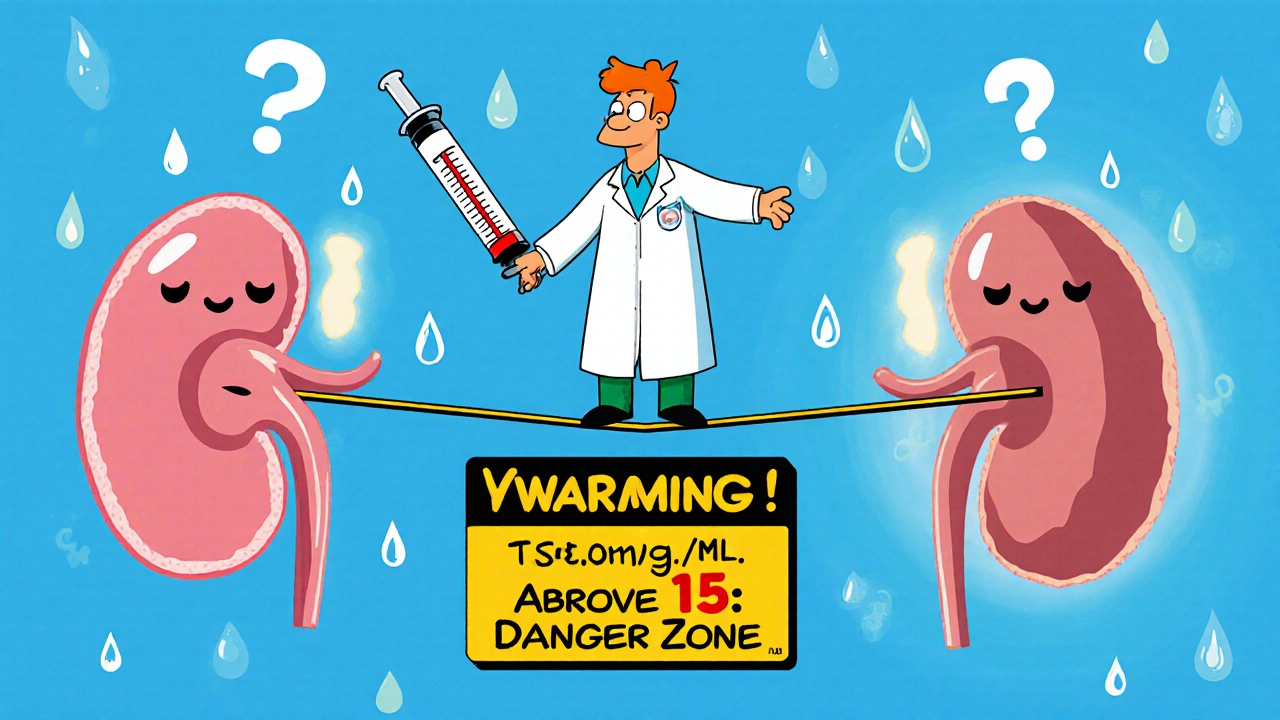
Vancomycin is vital for treating MRSA but carries risks of kidney damage and hearing loss. Learn how to balance dosing, monitor for side effects, and reduce harm without compromising treatment.
How Calcipotriene Works as a Vitamin D Derivative for Skin Conditions
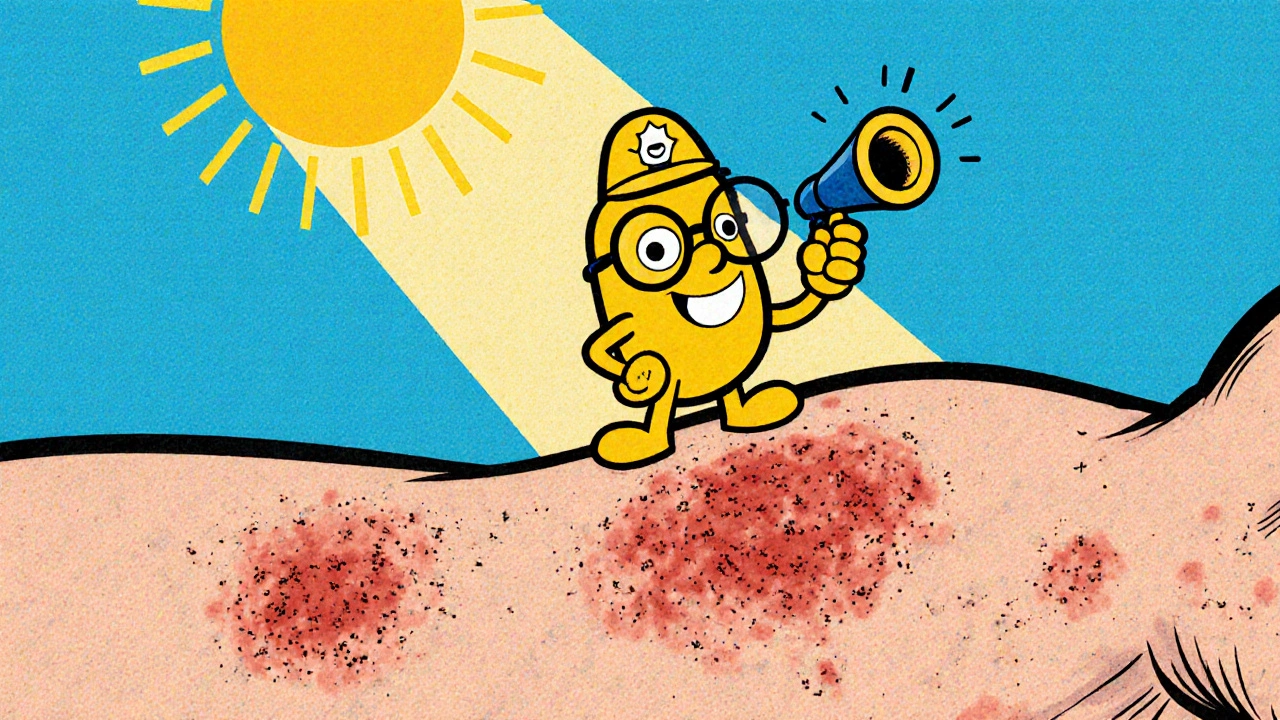
Calcipotriene is a synthetic vitamin D analog used to treat psoriasis by slowing skin cell overgrowth. It works locally on the skin without raising blood calcium levels and is often combined with steroids for better results.
Antibiotics and Myasthenia Gravis: What You Need to Know About Neuromuscular Weakness Risks
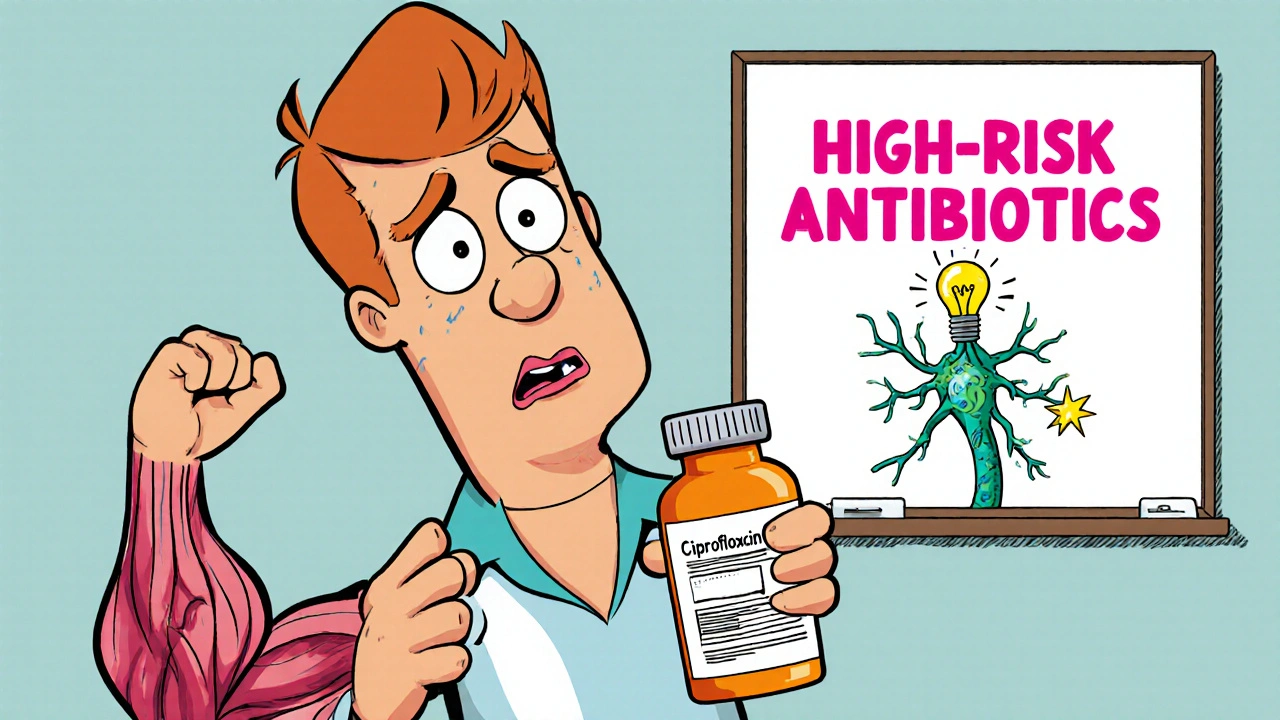
Certain antibiotics can worsen muscle weakness in myasthenia gravis patients. Learn which ones are safest, which to avoid, and how to make informed decisions with your care team to prevent dangerous flare-ups.
Benzalkonium Chloride and Zinc Oxide: How They Reduce Inflammation

Benzalkonium chloride and zinc oxide work together to reduce skin inflammation by killing infection-causing microbes and calming immune responses. This proven combo is found in many OTC creams for cuts, rashes, and minor burns.
Cetirizine: How It Controls Indoor Allergies

Learn how cetirizine works, proper dosing, side effects, and home tips to manage indoor allergies effectively.
Cefaclor Safety Guide: Step-by-Step Use for Patients

Learn how to take cefaclor safely with step‑by‑step dosing, side‑effect management, interactions, storage tips, and FAQs for patients.