Category: Pharmacy Guide - Page 2
Elderly Patients Switching to Generics: What You Need to Know About Safety and Adherence
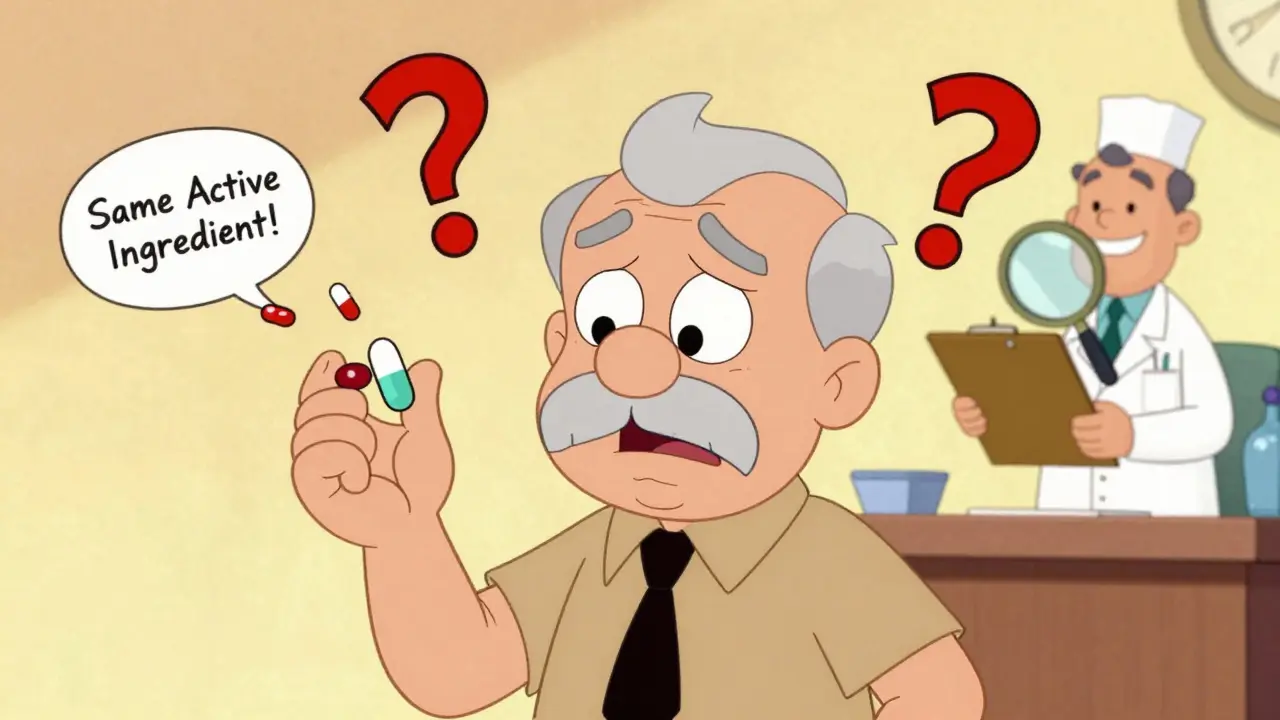
Elderly patients switching to generics face unique risks due to age-related changes in metabolism, polypharmacy, and perception gaps. Learn how to ensure safety, improve adherence, and avoid dangerous medication errors.
Common Pharmacy Dispensing Errors and How to Prevent Them
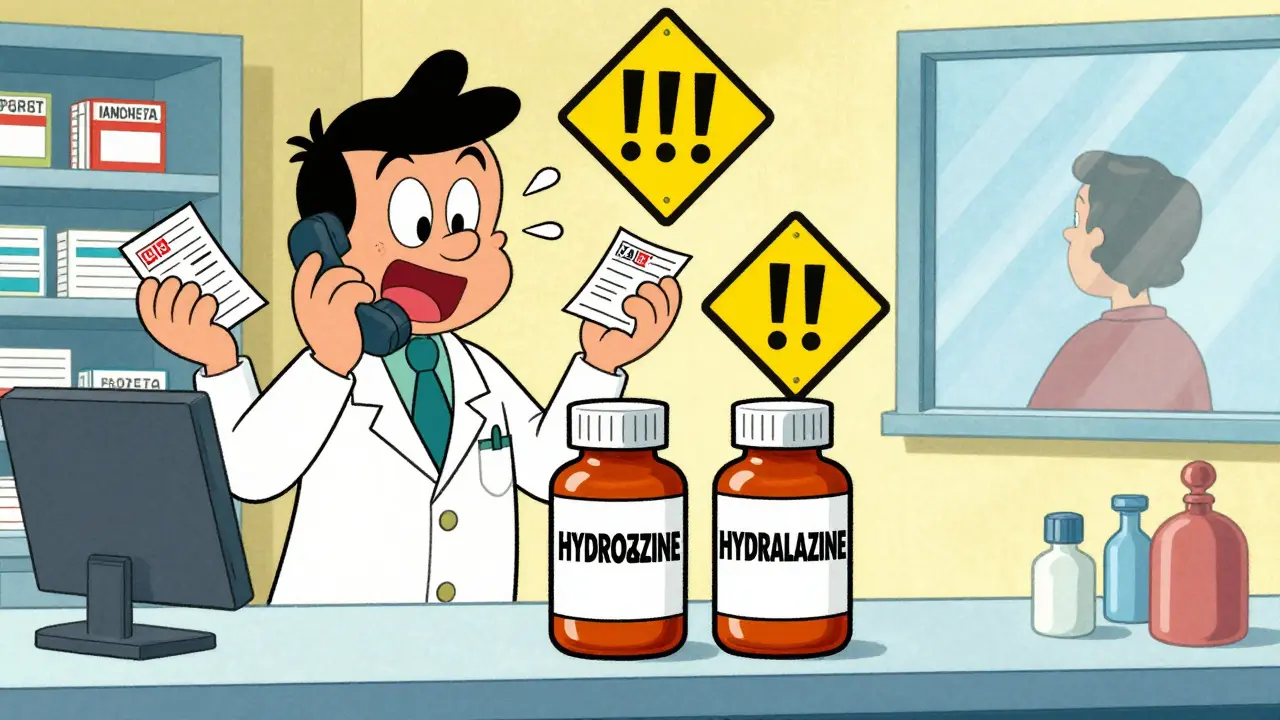
Pharmacy dispensing errors affect millions each year, often due to system flaws-not human error. Learn the top 5 types of mistakes, why they happen, and proven ways to prevent them using barcode scanning, double-checks, and smart technology.
Asthma Inhaler Technique for Children: Step-by-Step Guide
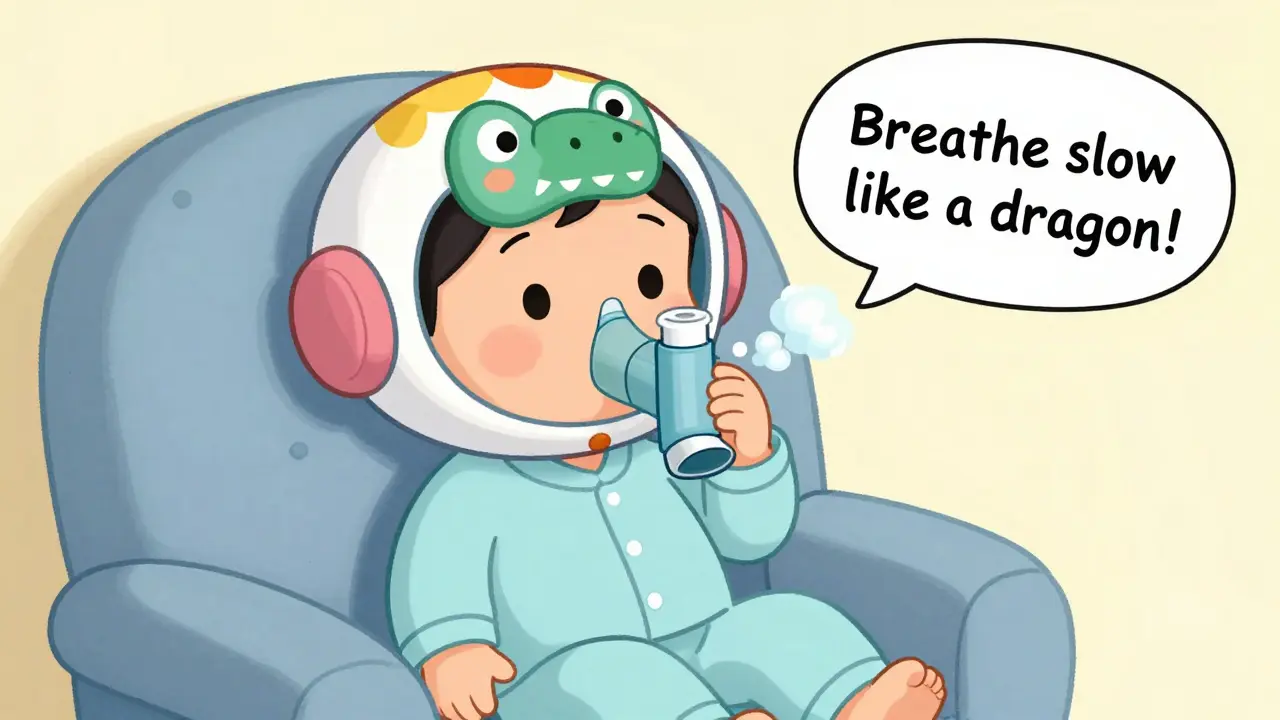
Learn the correct step-by-step technique for using asthma inhalers with spacers and masks in children. Discover age-specific breathing methods, common mistakes, and how to improve medication delivery to reduce symptoms and hospital visits.
Adherence Tracking: Digital Tools for Managing Generics
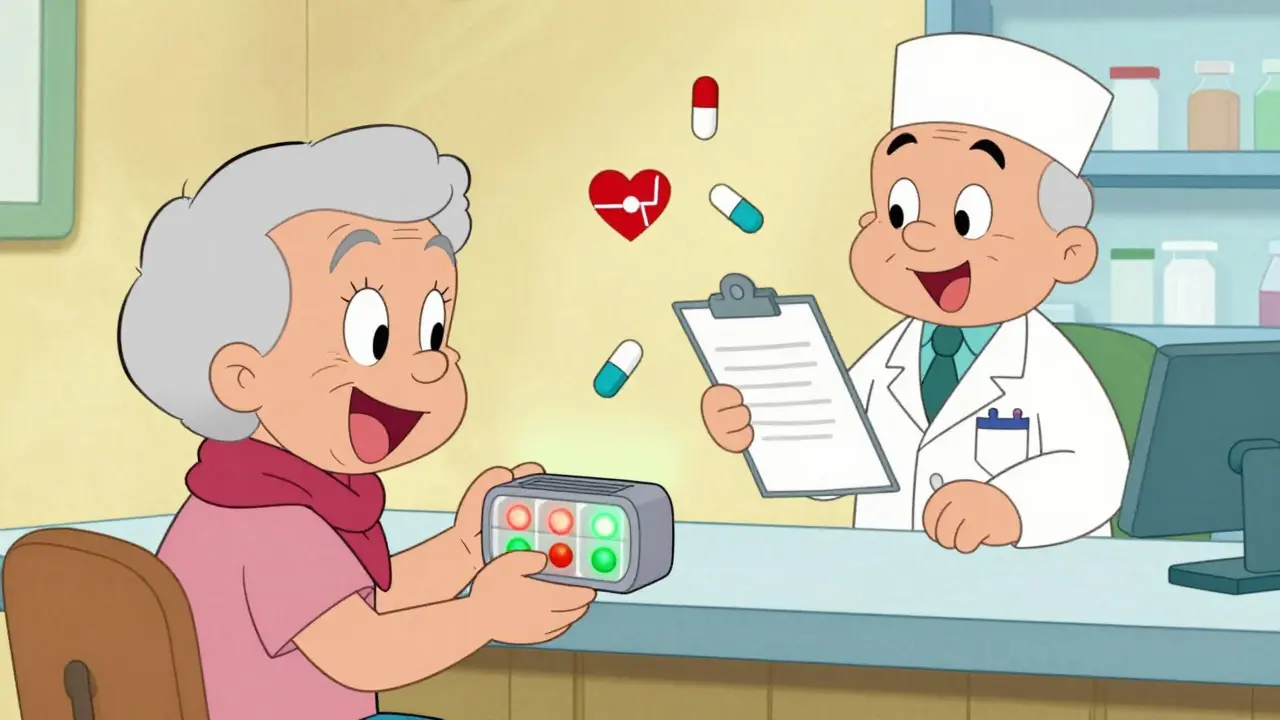
Digital adherence tools are helping patients take their generic medications consistently. Learn how smart pillboxes, electronic blister packs, and pharmacy dashboards are reducing non-adherence and cutting healthcare costs.
How to Switch Back from a Generic to a Brand Medication Safely
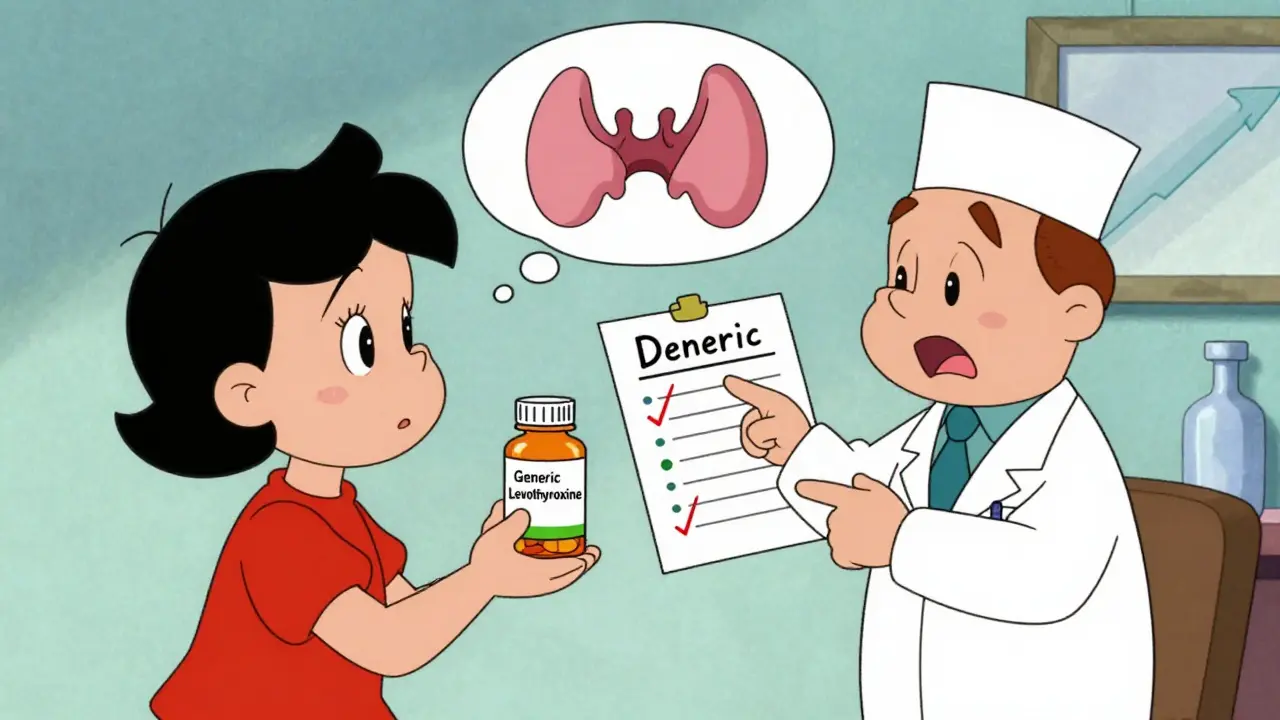
Switching back from a generic to a brand-name medication can be necessary for safety - especially with narrow therapeutic index drugs. Learn how to document your case, get insurance approval, and avoid dangerous treatment gaps.
Generic Drug Savings: Real Numbers and National Statistics
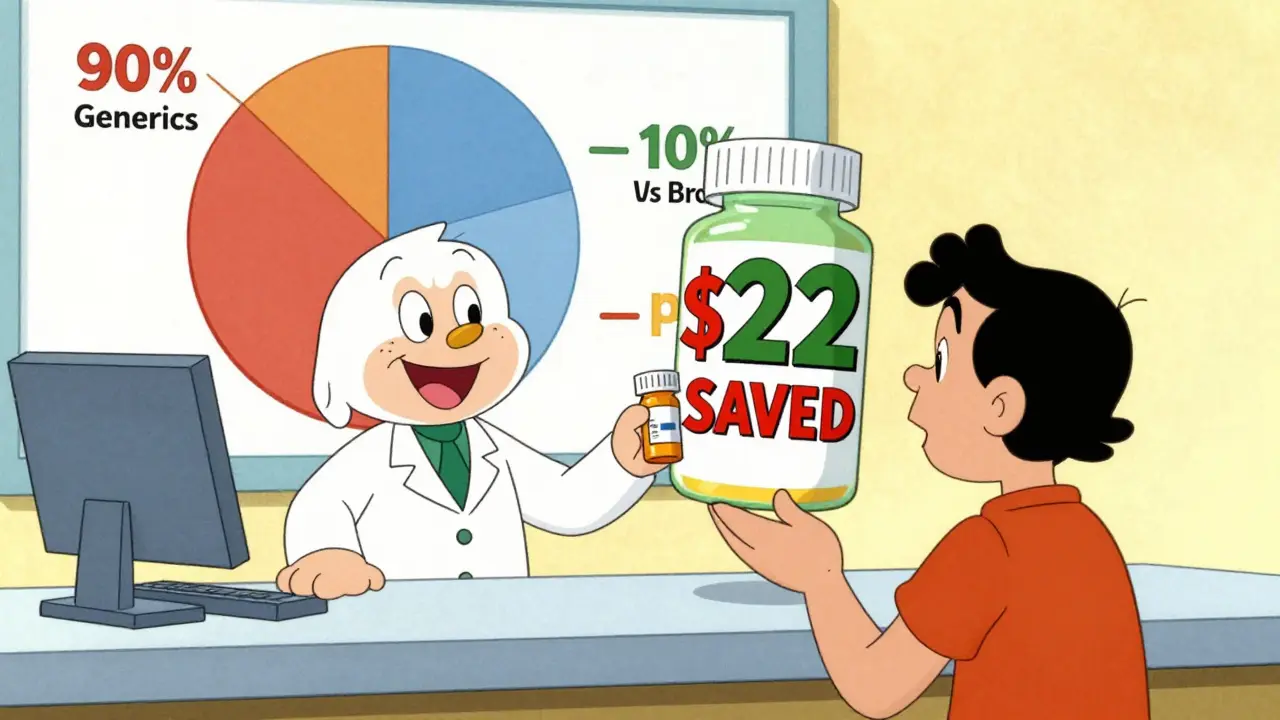
Generic drugs saved $467 billion in the U.S. in 2024 alone. Learn the real cost differences, national statistics, and how to save money without sacrificing quality or safety.
Cardiovascular Generics: What Safety Studies and Real-World Data Really Show
Cardiovascular generics save billions, but are they as safe as brand-name drugs? Real-world data shows mixed results - especially for statins and ARBs. Here's what the studies really say.
Drug Interactions: How Food, Supplements, and Medications Can Clash
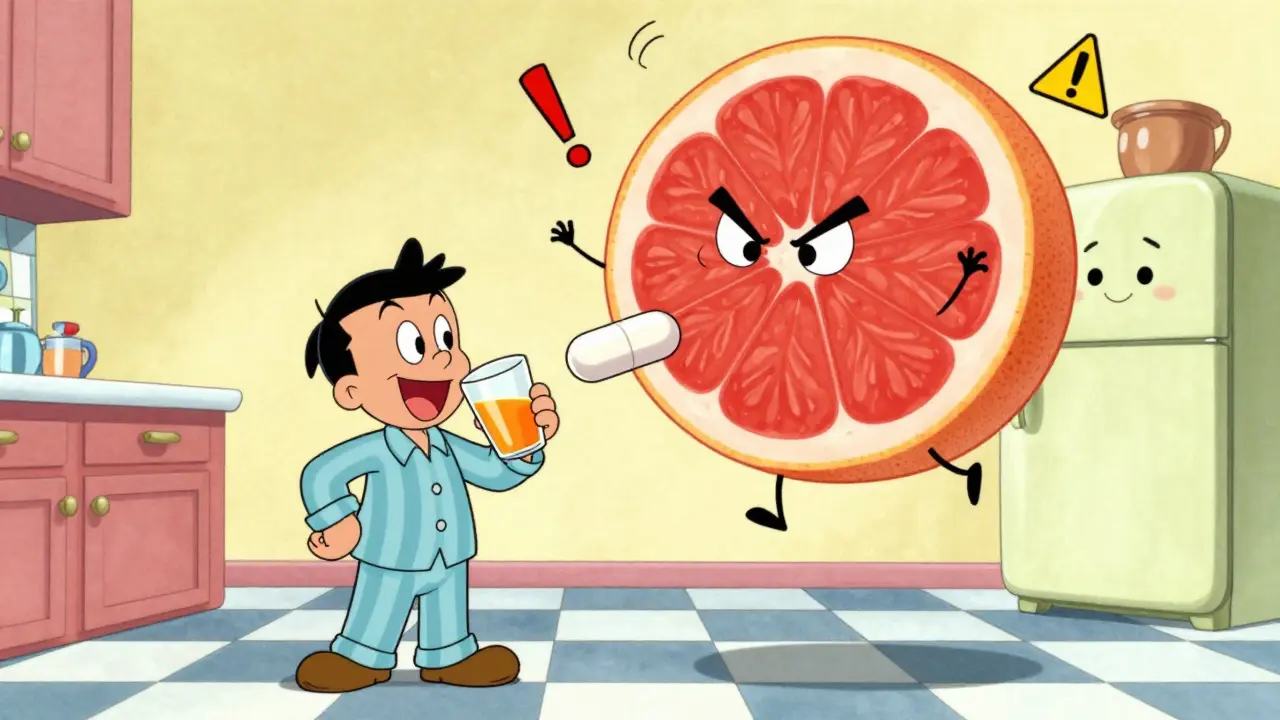
Food, supplements, and medications can clash in dangerous ways-grapefruit juice can spike statin levels, St. John’s wort can break your antidepressants, and vitamin K can undo warfarin. Learn how to spot hidden risks and protect your health.
Nocebo Effect: How Negative Expectations About Generic Medicines Hurt Your Health
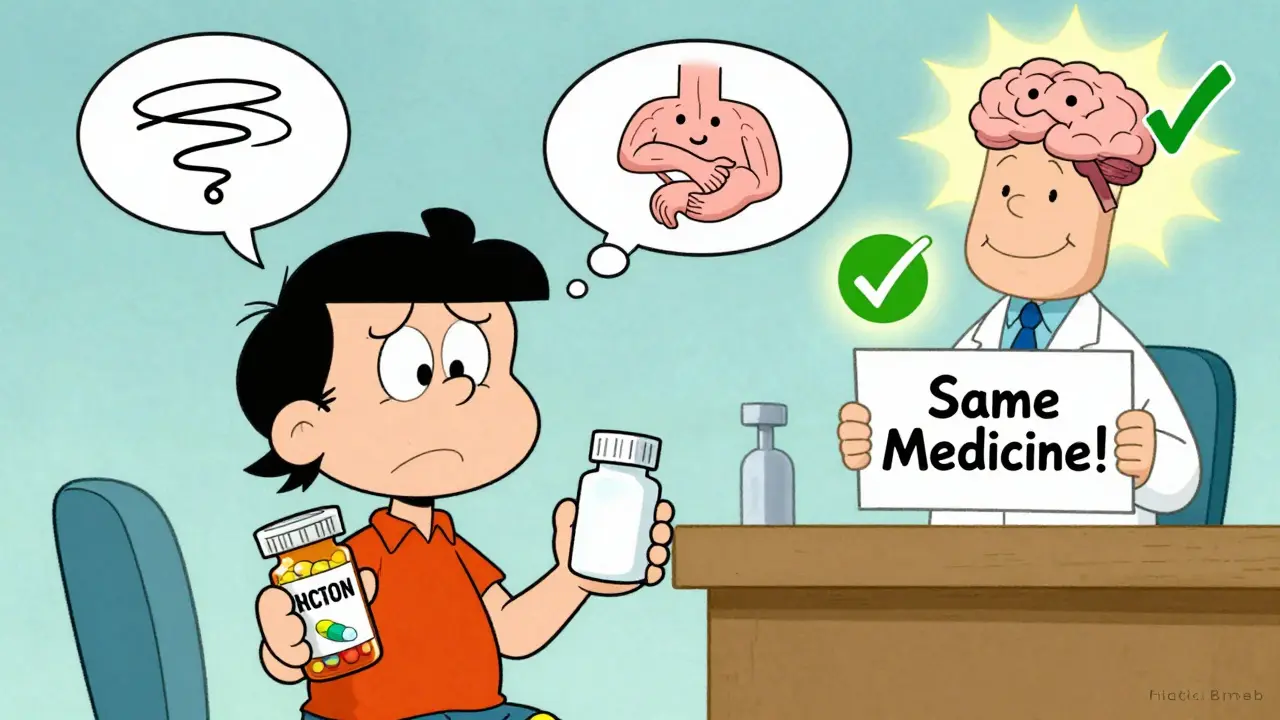
Negative expectations about generic medications can trigger real physical symptoms - even when the pills are identical to brand-name drugs. Learn how the nocebo effect impacts health, adherence, and costs - and what you can do about it.
Licensed Pharmacies: How to Verify Your Pharmacy Is Legitimate and Avoid Counterfeit Drugs
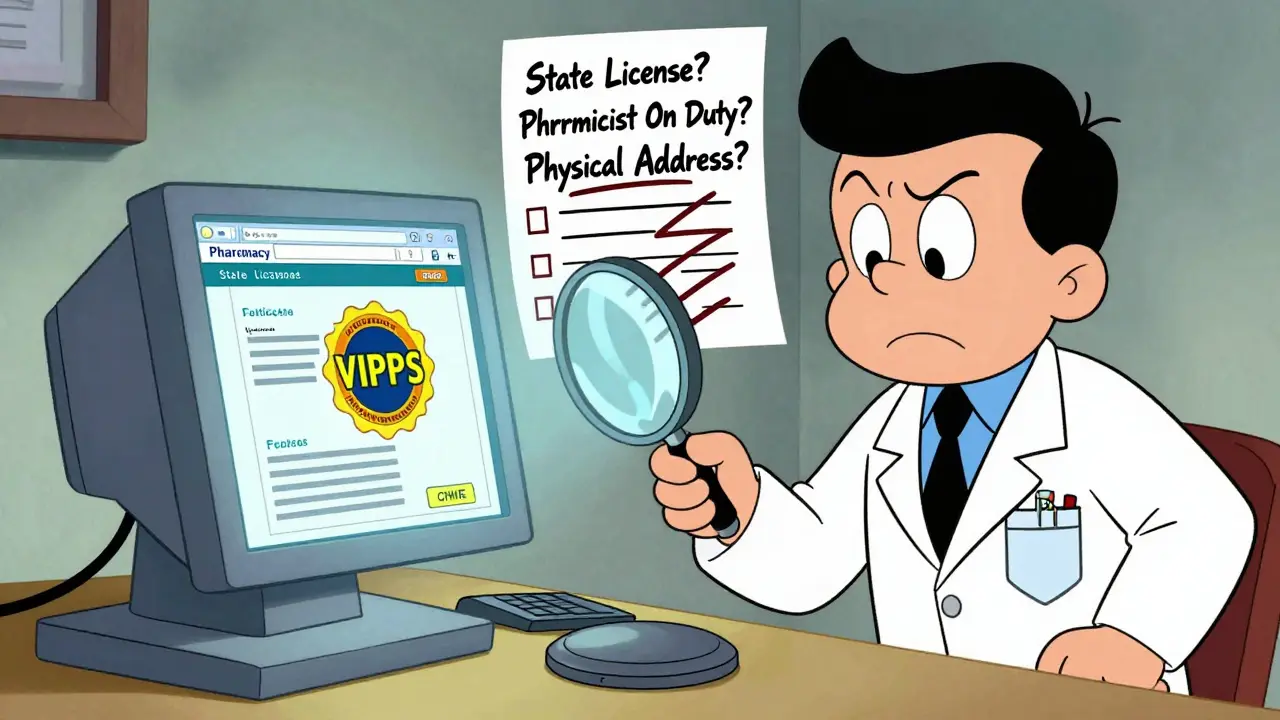
Learn how to verify a licensed pharmacy to avoid counterfeit drugs. Step-by-step guide to checking state licenses, NABP VIPPS, and spotting fake online pharmacies before you buy medication.
When Your Doctor Might Prescribe Brand-Name Only and Why
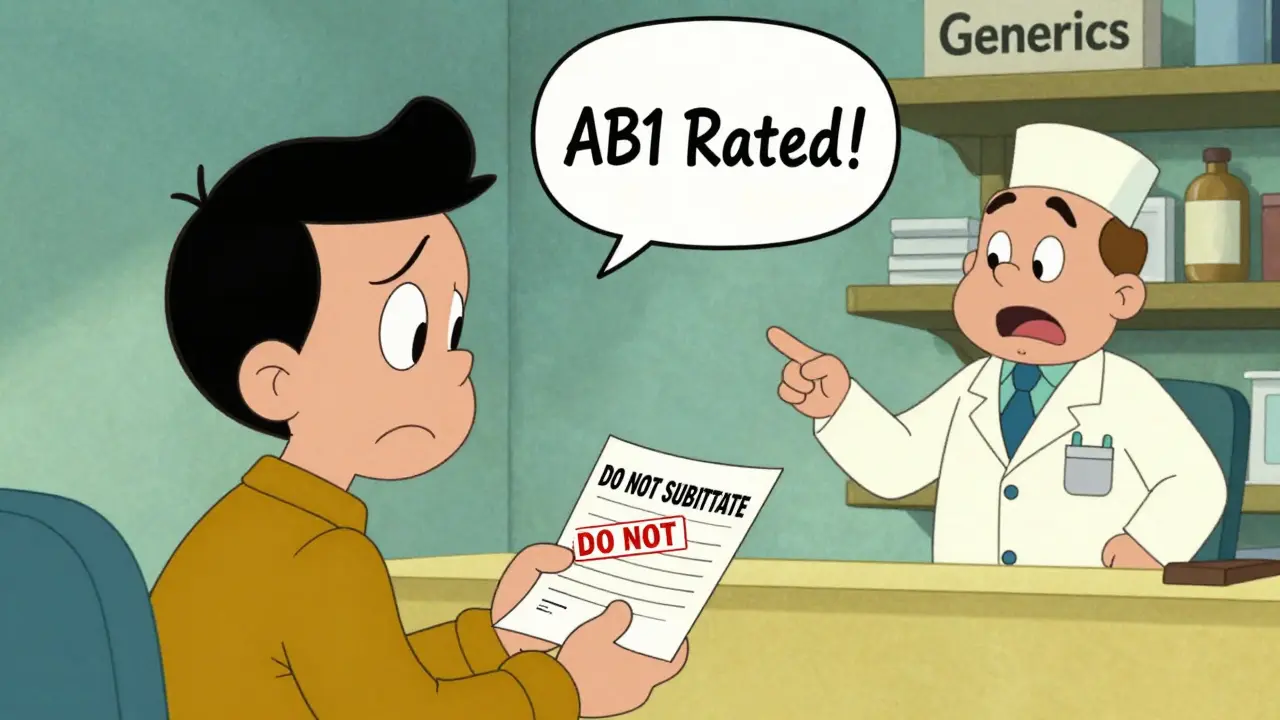
Doctors sometimes prescribe brand-name drugs instead of generics for medical reasons-especially with narrow therapeutic index medications. Learn when it's necessary, when it's not, and how to advocate for the right choice.
How to Translate Medication Names and Doses for Foreign Pharmacies
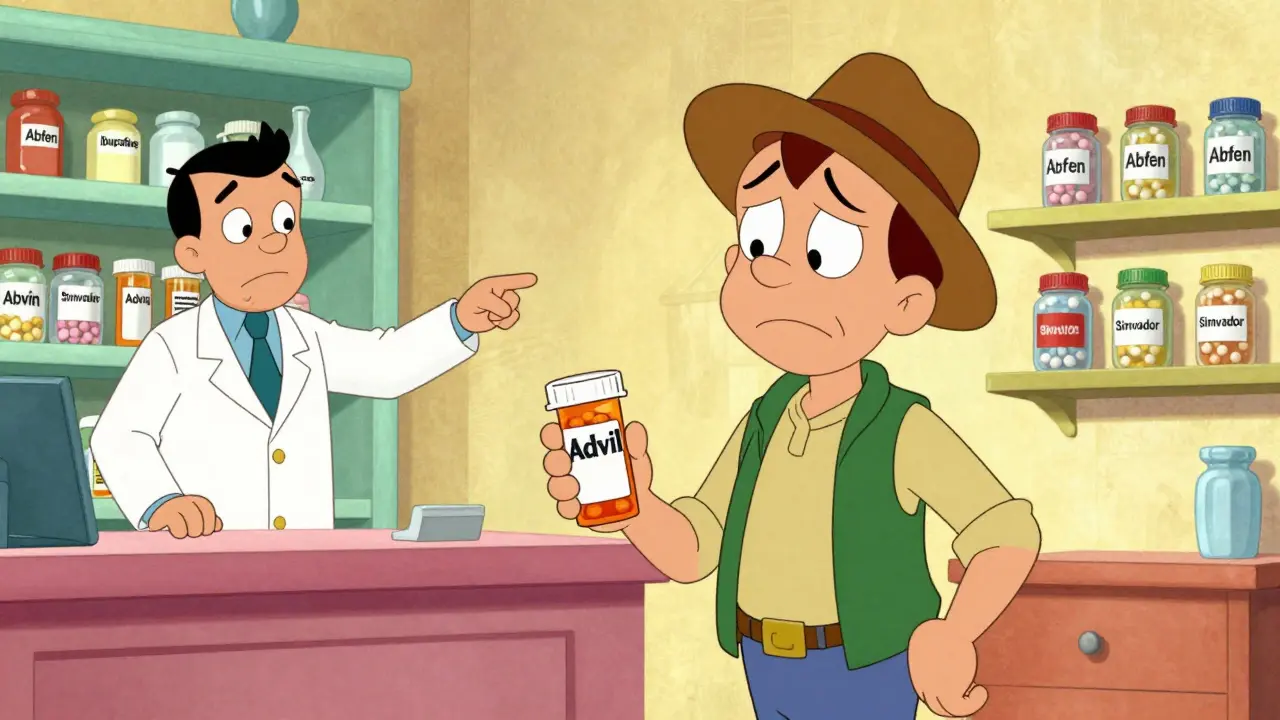
Learn how to accurately translate medication names and dosages for foreign pharmacies to avoid dangerous errors while traveling. Know what to bring, how to verify doses, and which tools actually work.