Category: Pharmacy Guide - Page 7
SSRIs with NSAIDs: How to Avoid Dangerous GI Bleeding Risks
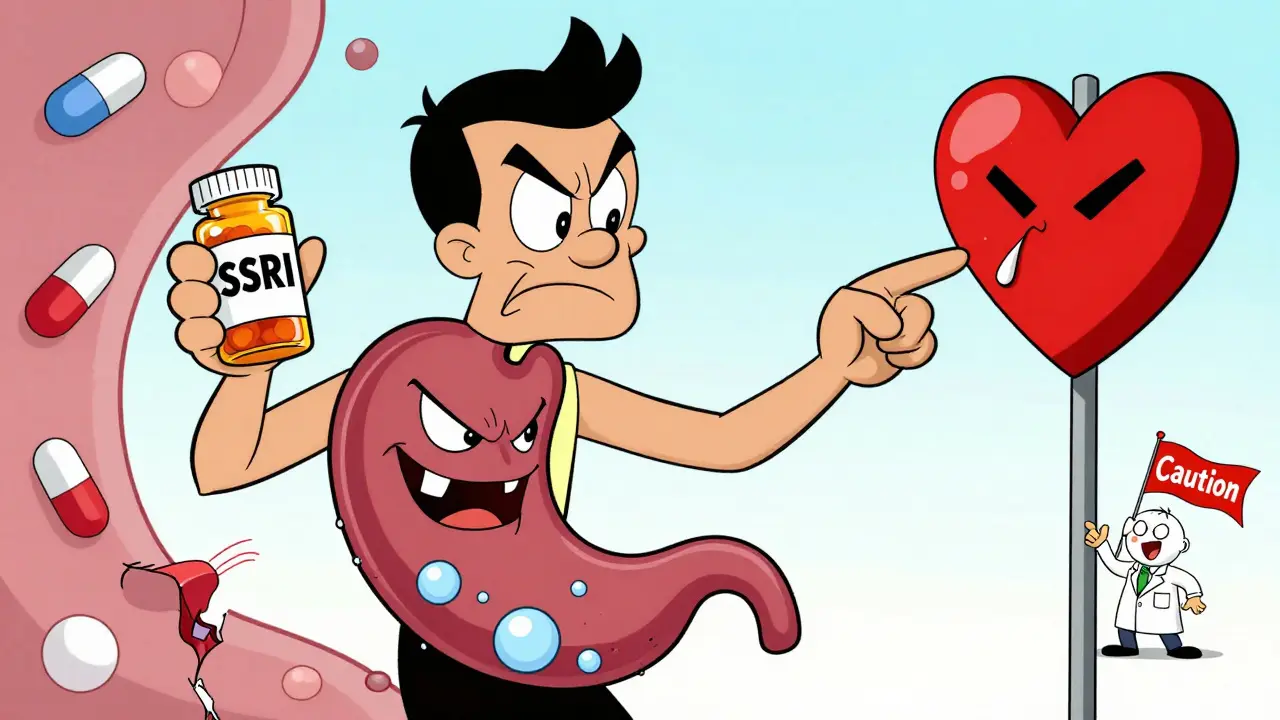
Combining SSRIs and NSAIDs can dangerously increase the risk of stomach bleeding. Learn how to spot the signs, choose safer pain relief, and protect yourself with simple steps backed by medical research.
How to Overcome Swallowing Difficulties to Keep Taking Medicine
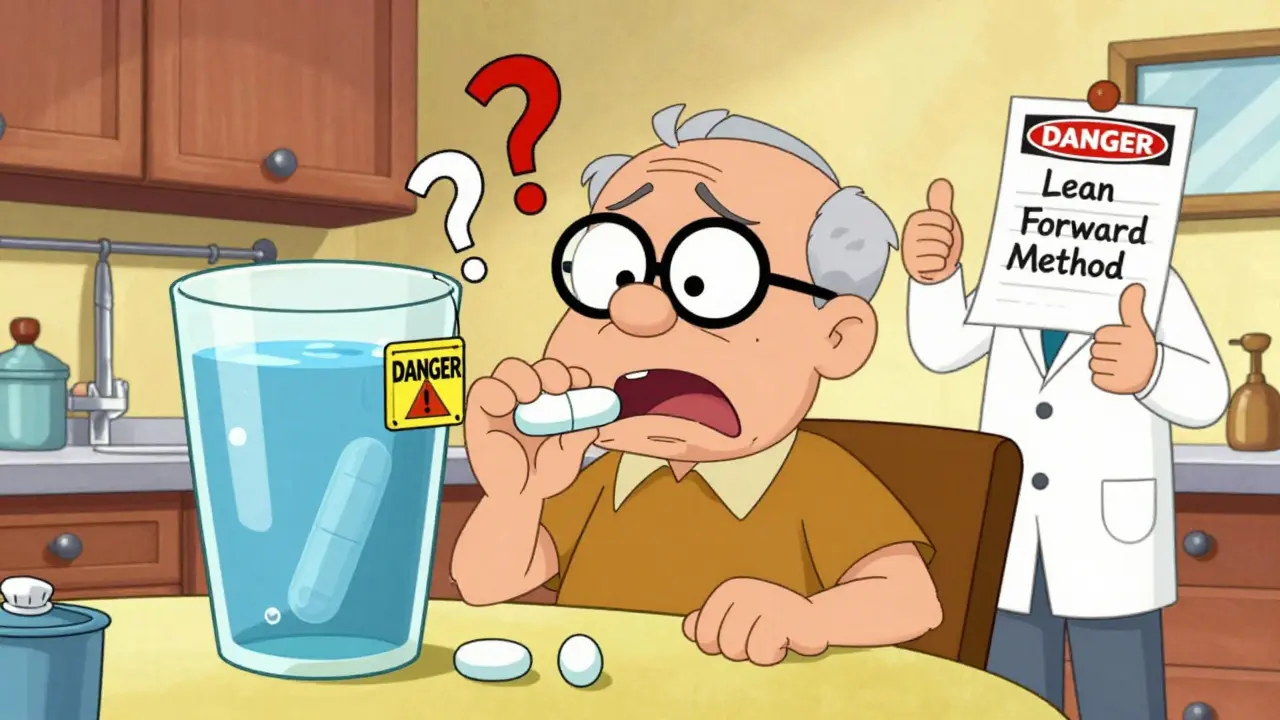
Struggling to swallow pills? Learn safe, proven ways to take your medicine without choking or skipping doses. Discover alternatives, techniques, and how to work with your care team for better adherence.
Provider Education on Generics: How Clinicians Can Improve Patient Outcomes with Generic Medications
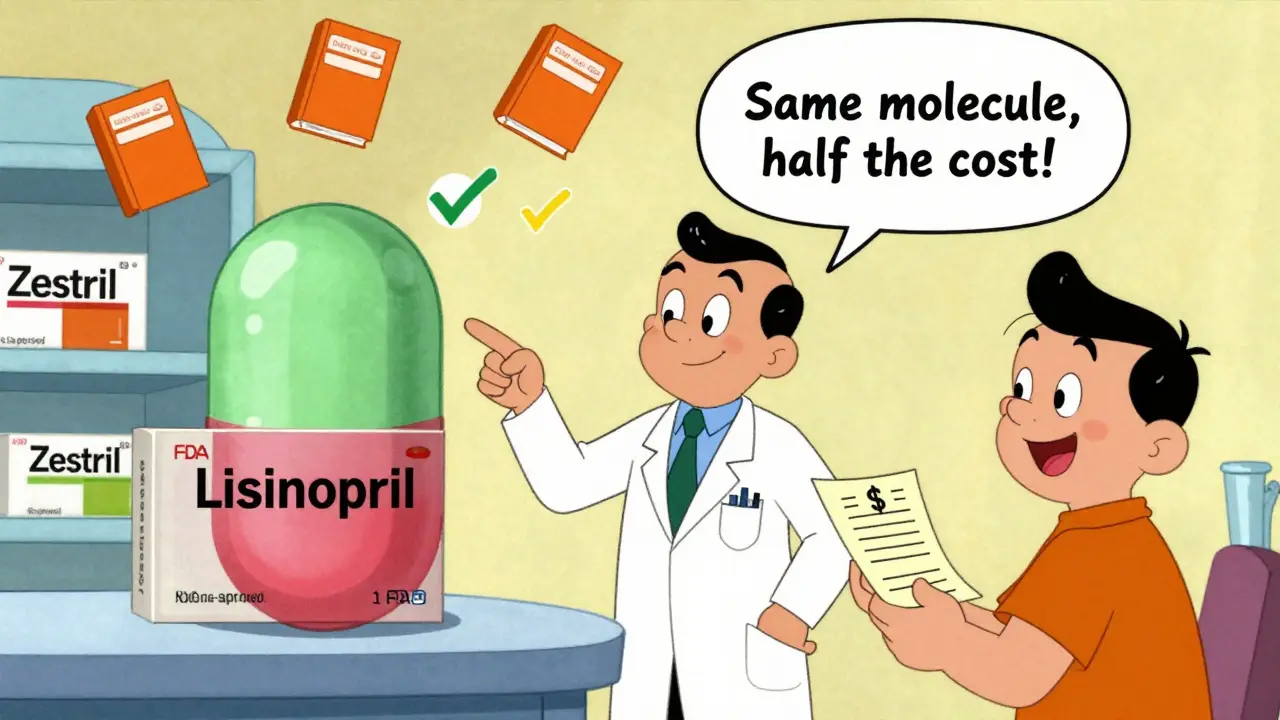
Generic drugs make up 90% of prescriptions but many clinicians still lack confidence prescribing them. Learn how provider education improves knowledge, reduces patient skepticism, and boosts adherence-all while cutting costs.
Generic Drug Interactions: How Digital Consultation Tools Keep You Safe
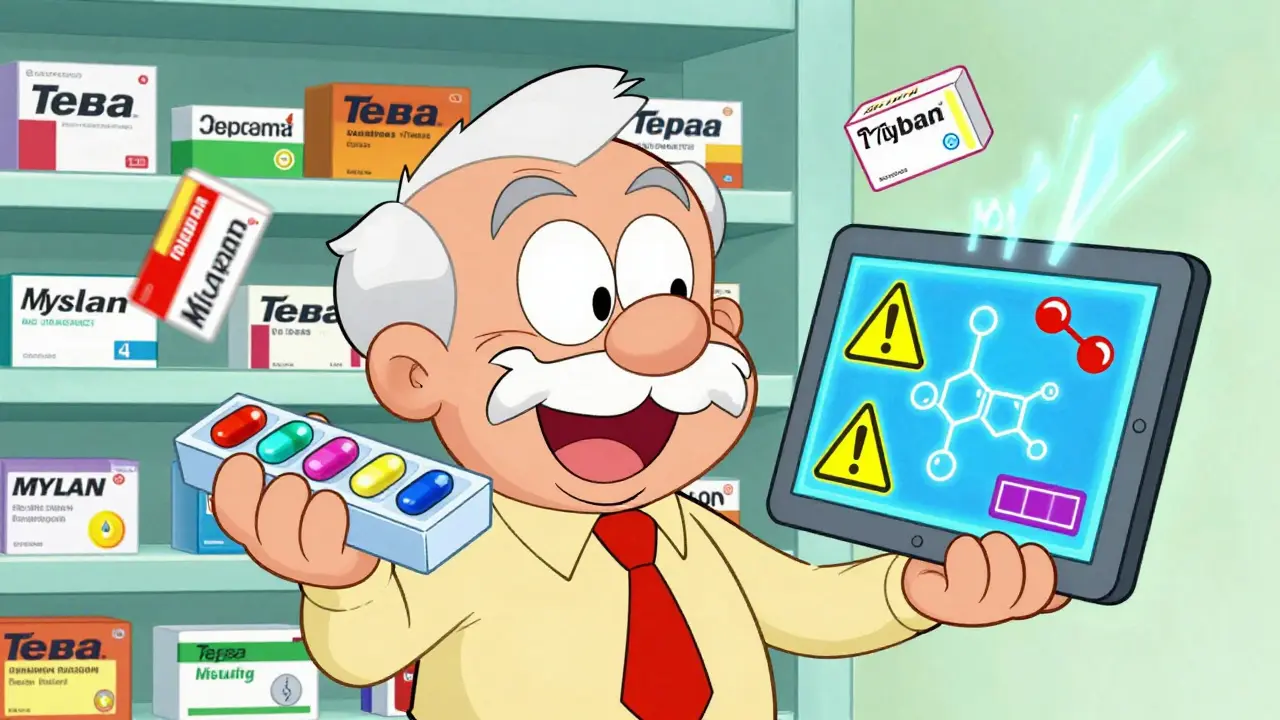
Digital tools help catch dangerous interactions between generic drugs, supplements, and prescriptions. Learn which apps clinicians trust, how to use them right, and why online pharmacies won’t protect you.
Antihistamines and Driving: What You Need to Know for Safe Travel

Many antihistamines impair driving as much as alcohol. Learn which ones are safe, which to avoid, and how to protect yourself and others on the road.
How to Verify Dose Changes and Avoid Miscommunication in Healthcare
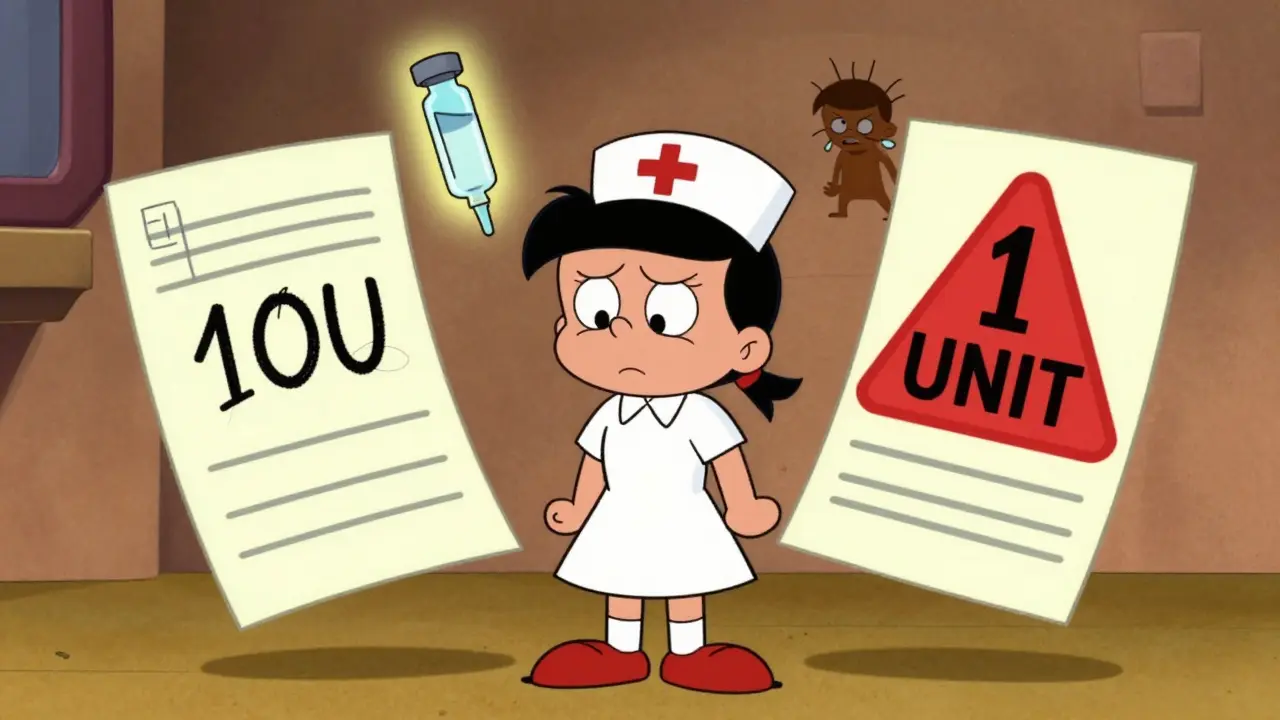
Learn how to verify medication dose changes correctly to prevent deadly errors. Discover proven protocols, when to use double checks, how communication tools like SBAR help, and why technology alone isn't enough.
Systemic Antifungals: High-Risk Interactions with Statins and Immunosuppressants
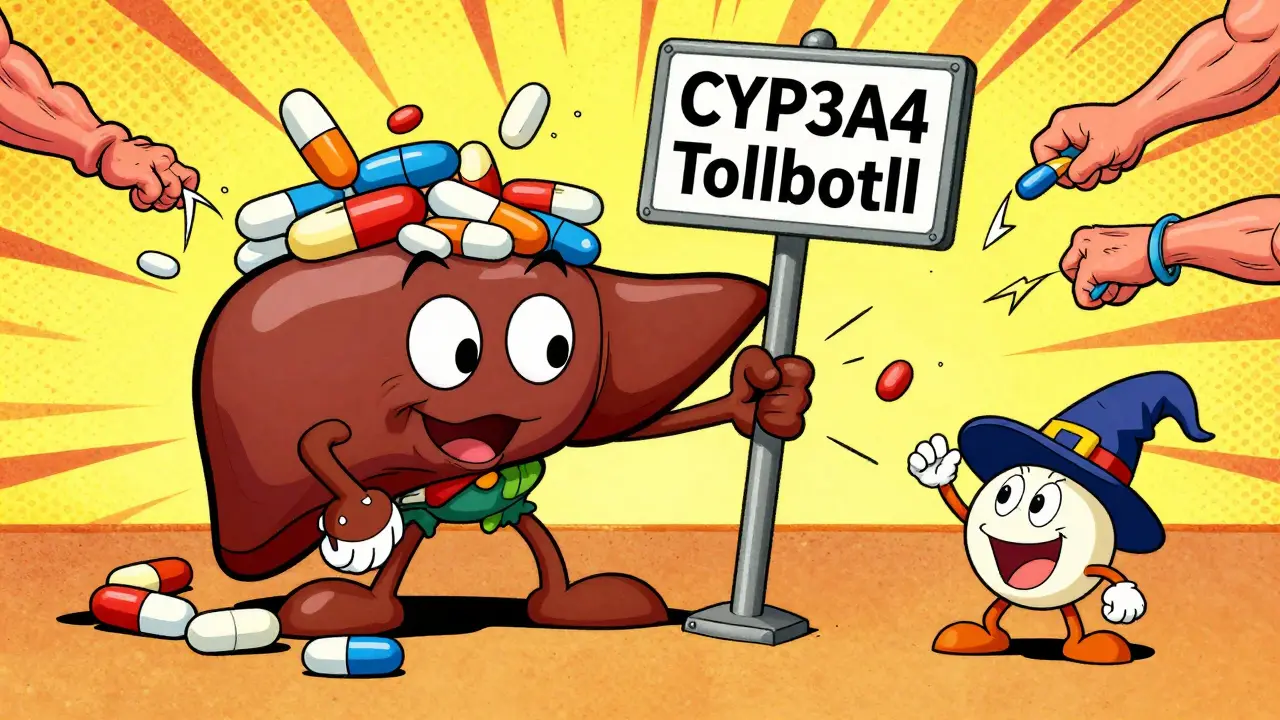
Systemic antifungals like azoles can dangerously raise statin and immunosuppressant levels, leading to muscle damage or rhabdomyolysis. Learn which combinations to avoid and safer alternatives.
Specialty Pharmacy: How Providers Manage Generic Specialty Drugs
Specialty pharmacies handle generic specialty drugs just like branded ones-with complex workflows, patient support, and strict compliance. Providers play a key role in ensuring patients get the right care, even when the drug is cheaper.
How to Make a Medication Action Plan with Your Care Team
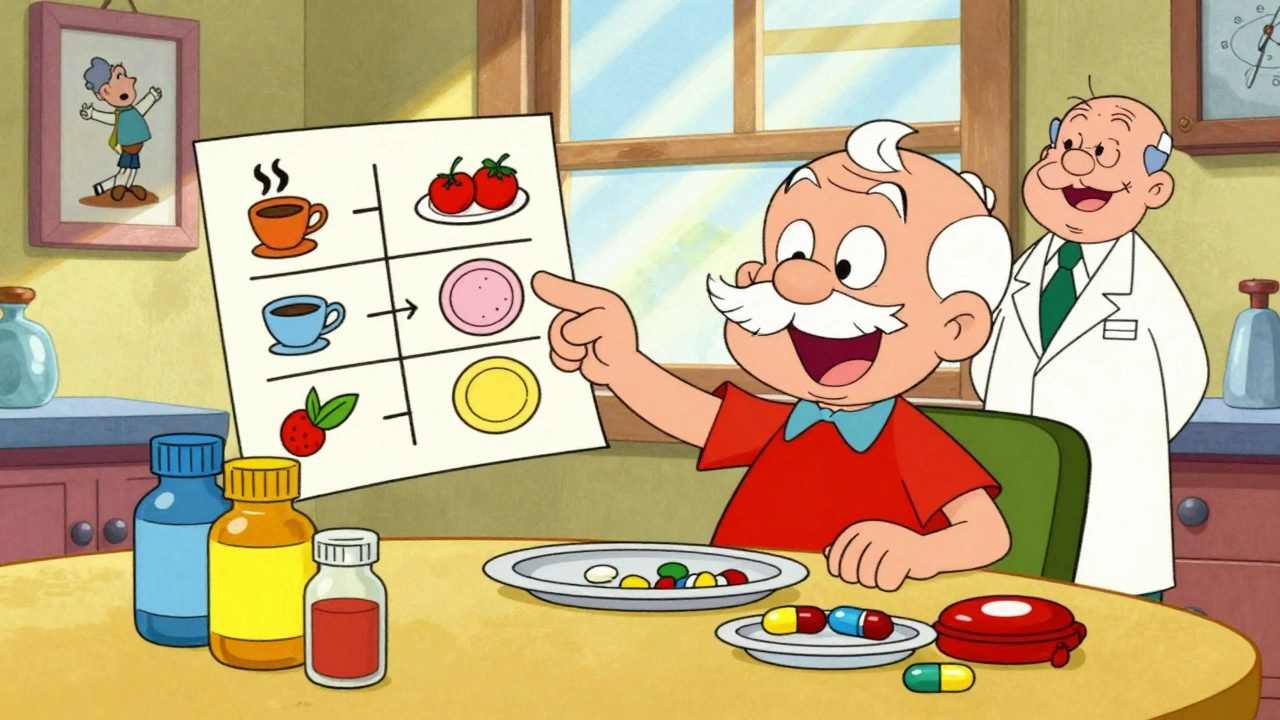
A medication action plan is a personalized roadmap created with your care team to help you take your medicines correctly. It reduces confusion, improves adherence, and prevents dangerous errors. Learn how to build one that fits your life.
Theophylline Levels: Why NTI Monitoring Is Critical for Safe and Effective Treatment
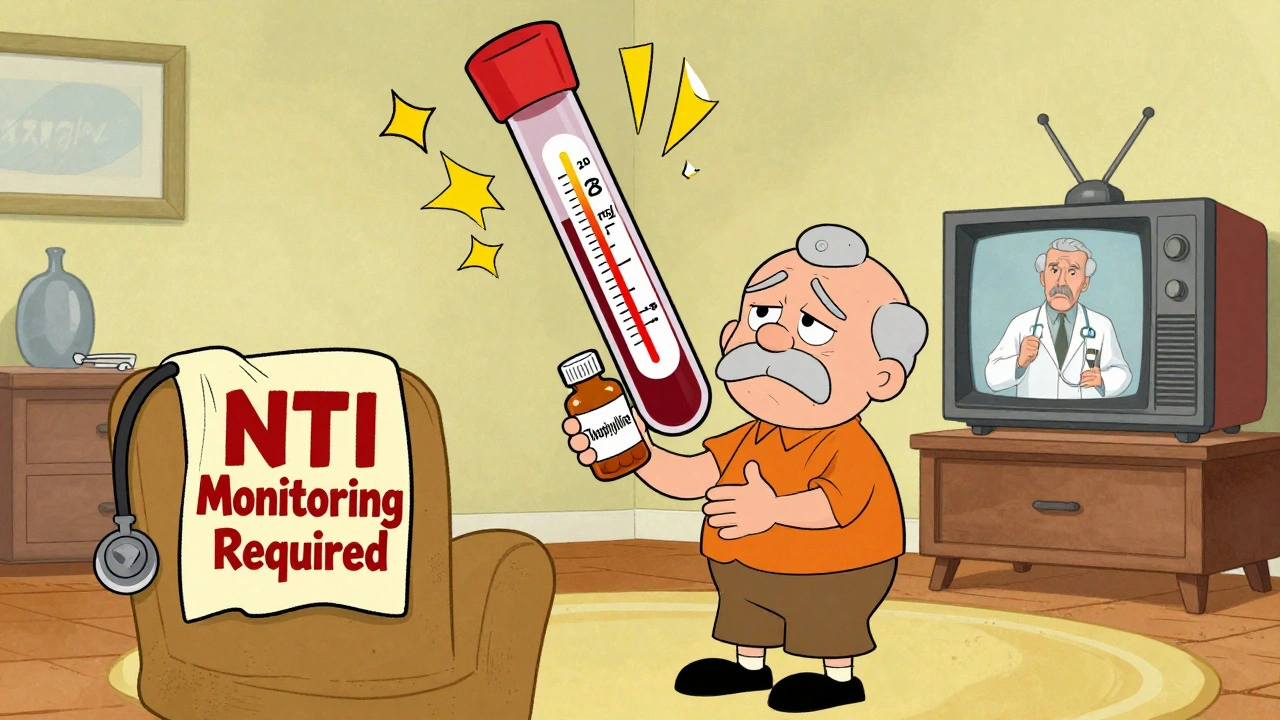
Theophylline is a powerful but dangerous asthma and COPD medication with a narrow therapeutic window. Without regular blood level monitoring, even small changes can lead to life-threatening toxicity. Learn why NTI monitoring is non-negotiable.
Tiered Copays: Why Your Generic Medication Might Cost More Than Expected
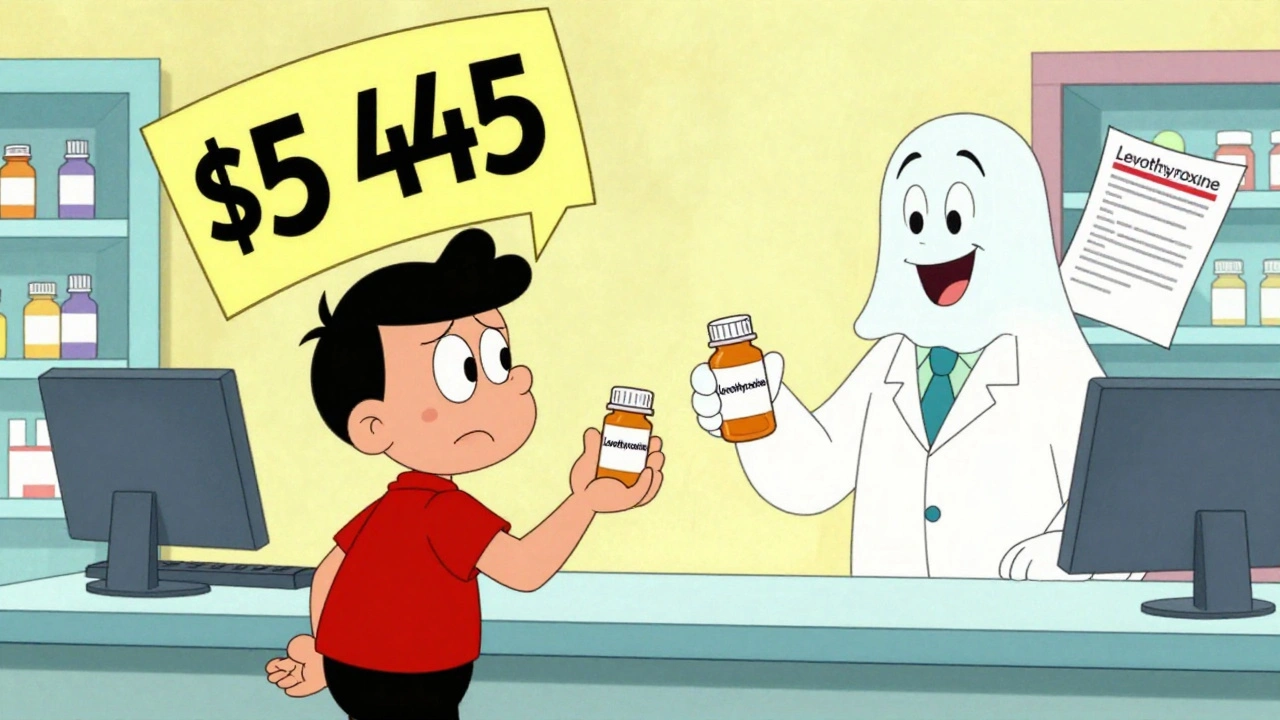
Why your generic drug might cost more than the brand-name version - it's not about quality, it's about rebates. Learn how tiered copays work and what you can do to save money.
Therapeutic Failures: When a Generic Drug Doesn't Work as Expected
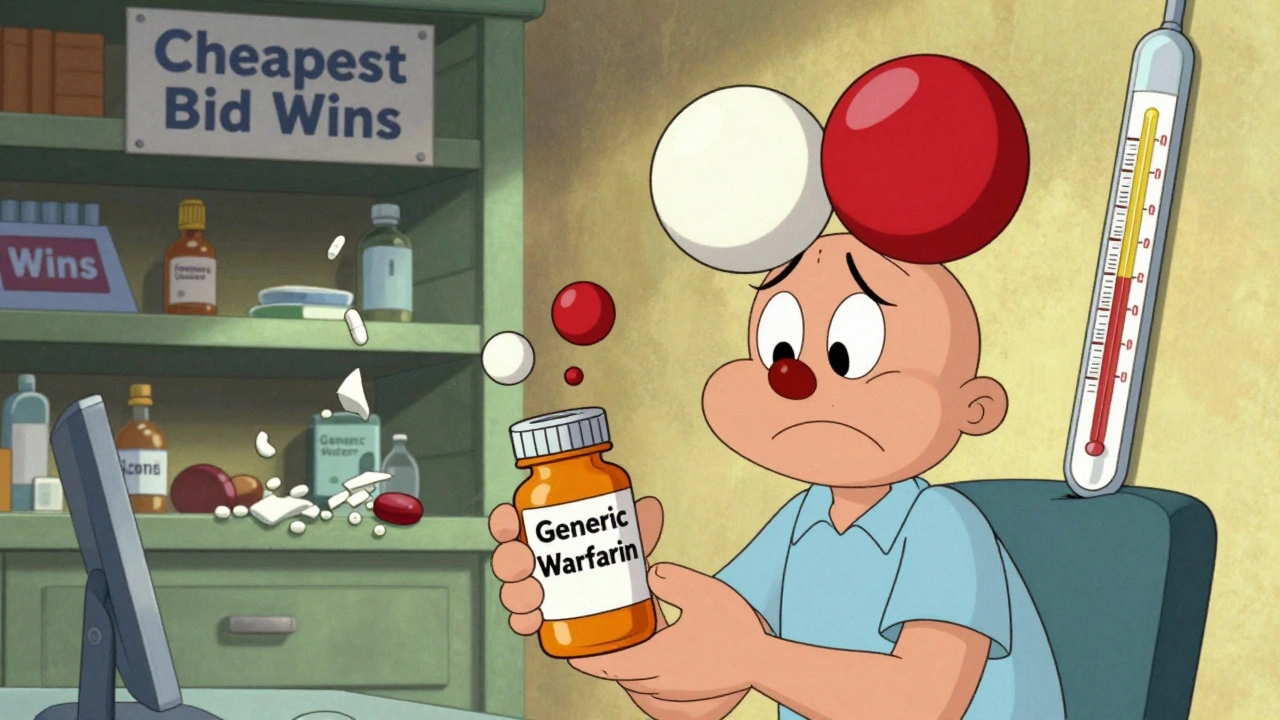
When a generic drug doesn't work like the brand, it's not just bad luck - it could be a systemic failure. Learn why some generics fail, which drugs are riskiest, and what to do if your medication stops working.